
Reviewed · FOOD & DRINK
Cook Local Northern Thai Food in Traditional House
Five dishes, one day, lots of hands-on work.
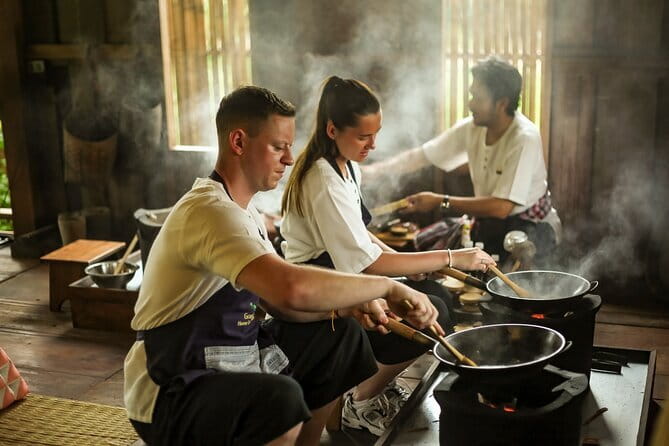
In Chiang Mai, this Lanna cooking class takes you from a local market to an organic farm, then back to the stove to cook with traditional tools. I like that it stays practical from ingredient picking to coals, and it runs as a small group (max 6), so you get more attention while you learn. One thing to consider: this is a cooking school setup, not someone’s actual grandma home kitchen, even though the brand name is Grandma’s Home Cooking School.
In This Review
- Why this Northern Thai class feels practical, not just instructional
- Key highlights I’d plan around
- Market morning in Chiang Mai: ingredients you can name
- The organic farm tour: where herbs and vegetables start
- Chicken coop eggs: a detail that changes the meal
- Traditional cooking techniques: tools that teach flavor
- The five dishes you’ll cook in a full 7-hour day
- Northern Thai sausage
- Nam prik dip: either ong or num
- Northern pork belly curry
- Curry young jackfruit
- Thai coconut pancakes
- Lunch, desserts, and the tastings that help you calibrate
- Transfers and pacing: the comfort of a guided day
- Price and value: what $57.99 really buys you
- Who this class suits best (and who should rethink it)
- Should you book Grandma’s Home Cooking School in Chiang Mai?
- FAQ
- What is the start time for the cooking class?
- How long does the experience last?
- How many dishes will I cook?
- Which Northern Thai dishes are included?
- Is hotel pickup and drop-off included?
- Will I eat lunch and desserts during the class?
- Are drinks included?
- Is the instruction in English?
- Can the class accommodate special dietary requirements?
- How much time do I have to cancel for a full refund?
Why this Northern Thai class feels practical, not just instructional
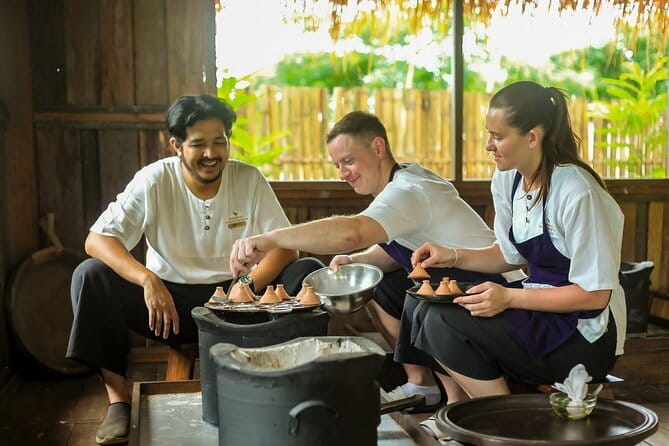
Northern Thai food has a different personality than what most people expect from Thai cuisine. Expect stronger herb flavors, earthy curry bases, and dishes that feel built step-by-step, not assembled in a hurry. In this class, you’ll cook five traditional dishes after a morning that includes shopping, farm work, and egg collecting.
Two parts really anchor the experience for me. First, you start by choosing ingredients, then you cook them in the same day, so nothing feels abstract. Second, the class teaches techniques you can repeat later, from charcoal grilling to using a coconut grater, not just how to follow a recipe.
The main consideration is the setting. Based on what people note in their feedback, you should expect a clean, safe, well-run school environment rather than a true grandma household kitchen. That trade-off usually works well for most visitors, especially if your priority is learning technique and leaving with usable recipes.
Key highlights I’d plan around
- Market-to-dish flow: choose ingredients first, then cook with them right away
- Organic farm time: pick Thai herbs and vegetables on site
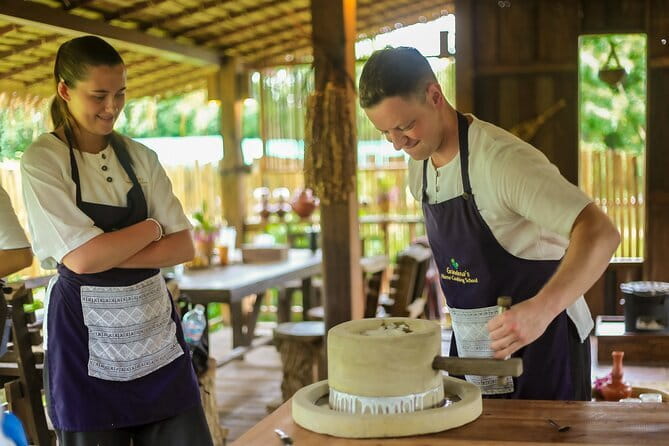
- Traditional tools: charcoal grill, millstone flour, and coconut grater coconut milk
- Five full dishes: sausage, dips, curries, jackfruit, and coconut pancakes
- Small group energy: max 6 travelers, so questions get answered
- Included meals and tastings: lunch, plus desserts and refreshments
Market morning in Chiang Mai: ingredients you can name
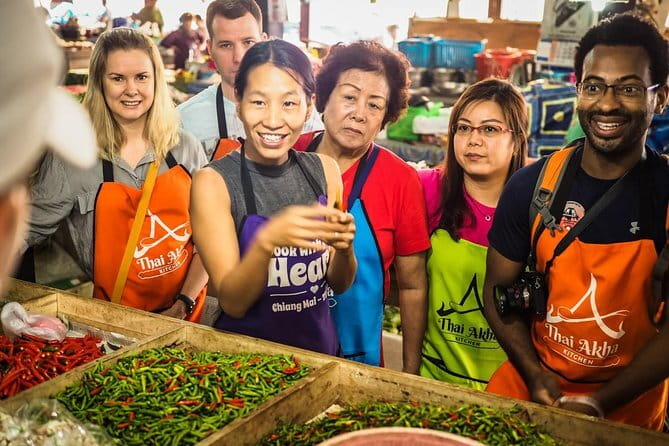
The day starts with a local market, where the instructors guide you through what goes into Northern Thai cooking. This is where you learn to recognize key ingredients by sight and smell, not just by name. It’s also where you practice thinking like a cook, asking why certain components matter for flavor and texture.
You’ll be introduced to ingredients and seasonings used in Northern Thai cuisine, then you get the chance to select what you’ll later use in your dishes. That makes a huge difference if you’ve ever cooked from recipes without understanding the purpose of each ingredient.
A small caution: markets are busy and sensory heavy. If you’re sensitive to strong smells or crowds, pace yourself. The benefit is that you’ll leave with ingredient knowledge you can actually use, even if you don’t recreate every dish perfectly at home.
Khao soi, sticky rice, and everything between
- Small-Group Chiang Mai Evening Street Food Tour★ 4.5 · 826 reviews
- Chiang Mai: Evening Local Street Food Market Tour★ 4.8 · 604 reviews
- Northern Flavours Chiang Mai Food Tour with 15+ Tastings★ 5.0 · 513 reviews
- The 10 Tastings of Chiang Mai With Locals: Private Street Food Tour★ 5.0 · 216 reviews
The organic farm tour: where herbs and vegetables start
After the market, the program shifts to an organic farm. This part is not just a photo stop. You’ll see how Thai herbs and vegetables are grown and learn how they show up in the dishes you’ll cook later.
You’ll handpick vegetables and herbs for your cooking. That matters because Northern Thai flavors depend on aromatics, especially herbs and fresh greens that do not behave like dried seasoning. If you care about taste, this farm stop turns those flavors into something you understand, not something you guess.
Farm time also helps you understand pacing. In a cooking class, it’s easy to think everything happens instantly. Here, you see the work behind the ingredients, then you get to bring that fresh produce into a hot, active kitchen.
Chicken coop eggs: a detail that changes the meal
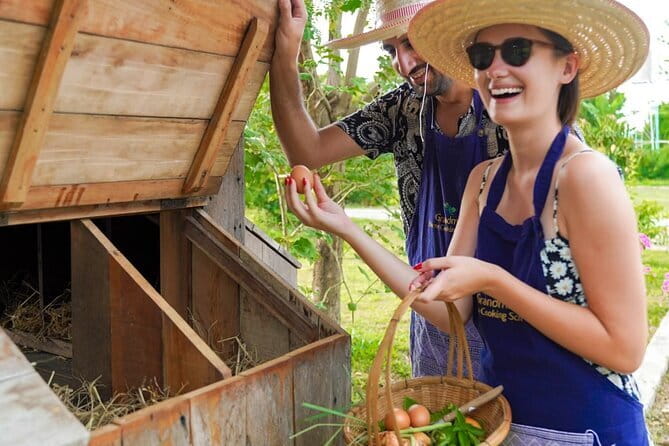
A visit to the chicken coop is included, and you can collect eggs. It’s a small step in the day, but it’s the kind of ingredient detail that makes the whole experience feel connected.
Eggs in Thai cooking can play different roles depending on the dish, and collecting them yourself makes you pay attention when you later handle recipes that use eggs or egg-based elements. Even if you’re not a food-nerd, it creates a clear before-and-after story for how ingredients become dinner.
If you want to maximize the value of this part, slow down when you’re collecting. Look, listen, and ask questions while you’re there, because this is the one time in the day you can learn without rushing between cooking stations.
A few more ways to fill a day here
- Chiang Mai: Local Food and Markets Guided Walking Tour
★ 4.3 · 175 reviews - Taste of Chiang Mai: Michelin Guide & Street Food Tour
★ 4.9 · 159 reviews - Chiang Mai: Food Tour by Songtheaw Truck with 15+ Tastings
★ 4.9 · 157 reviews
Traditional cooking techniques: tools that teach flavor
This class includes hands-on practice with several traditional methods. That’s where the learning goes from surface-level cooking to real technique.
You’ll learn how to light a charcoal grill, which helps explain why some foods taste different when heat comes from coals rather than a burner. You’ll also wash vegetables as part of the prep flow, then you’ll mill flour using a traditional millstone. That’s a rare technique for many visitors, and it helps you see how texture can be affected before you even start mixing.
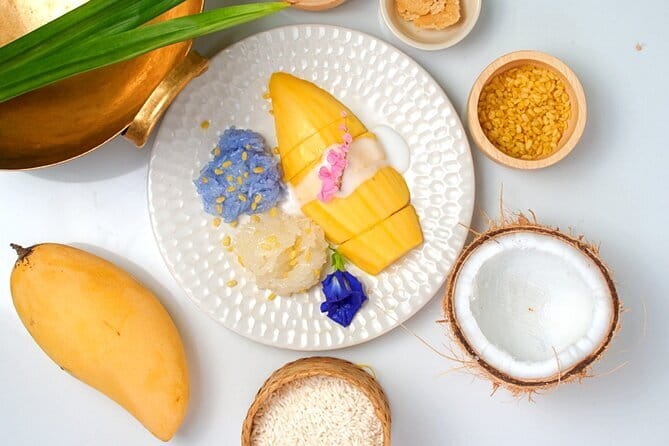
Coconut milk is another standout teaching moment. You’ll use a coconut grater to work coconut meat, then make Thai coconut pancakes using a traditional method. If you’ve only ever used packaged coconut milk, this will likely change how you think about coconut flavor and richness.
The value here is that you’re learning “how” and “why,” not just “what.” When people come away happiest from this sort of class, it’s usually because they feel confident repeating at least a few steps later.
The five dishes you’ll cook in a full 7-hour day
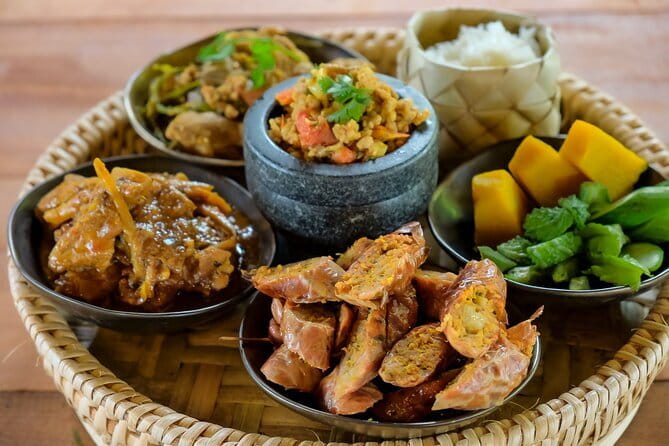
You’ll cook five Northern Thai dishes, and the list is specific. That specificity is good, because you’re not walking away with vague memories of Thai food, you’re walking away with a set of completed plates and a recipe set to match.
Here’s what’s included in the cooking menu:
- Northern Thai Sausage
- Nam Prik Ong or Nam Prik Num
- Northern Pork Belly Curry
- Curry Young Jackfruit
- Thai coconut pancakes
Northern Thai sausage
You’ll learn the approach behind Northern Thai sausage as part of the five-dish program. The coaching focuses on getting the right build and handling, not just plating. This is one dish that benefits from careful prep, so the ingredient work earlier in the day pays off.
Nam prik dip: either ong or num
You’ll make Nam Prik Ong or Nam Prik Num, depending on how the class runs. Either way, you’ll be working with the dip process typical of Northern Thai flavors, where the balance between aromatics and seasoning drives everything.
A practical note: if you’re picky about very specific flavor profiles, ask which version you’re making when you arrive. The name difference matters because the base ingredients and feel of the dip can shift.
Northern pork belly curry
The pork belly curry gives you a chance to understand how Northern Thai curries come together. Curry here is more than a sauce, it’s a system, using aromatics and building blocks that settle into the dish.
This is also the kind of dish where timing matters. You’ll have a structured day, but cooking still requires attention while things simmer and reduce.
Curry young jackfruit
Young jackfruit curry rounds out the menu with a different texture and cooking logic. If you’ve never worked with jackfruit in cooking, this dish helps you see how a fruit can take on a savory role in curry.
The included farm and market time makes this easier to wrap your head around, because you’re already thinking about produce as active ingredients, not just salad items.
Thai coconut pancakes
The coconut pancake is the final hands-on payoff. You’ll use traditional preparation steps that include coconut grating and coconut milk making. Then you’ll craft the pancakes themselves.
This is also the dish that makes the day feel complete. You end with something comforting and practical, not just another savory curry that leaves you overwhelmed with spice and sauces.
Lunch, desserts, and the tastings that help you calibrate
Lunch is included, and it’s part of the day’s rhythm. You eat the dishes you created, so you can judge what you did well and what you’d tweak next time. That is better than eating a separate restaurant lunch where the cooking class feels disconnected.
There’s also a dessert session with traditional Thai desserts and refreshments. You’re not just learning savory dishes all day. The dessert break helps you reset your palate before the final cooking steps and keeps the experience from feeling one-note.
A practical upside: the program includes a refreshing drink and welcome snacks upon arrival. That’s useful when you start at 9:00 am, because you’ll be snacking your way into market shopping and farm walking.
Transfers and pacing: the comfort of a guided day
Round-trip transfers to and from your hotel are included, and pickup is offered. For Chiang Mai, that matters because traffic and distance can turn a “half-day” plan into a time sink. A structured schedule gives you more of the day for learning and cooking.
The experience is timed at about 7 hours, starting at 9:00 am. That long block works best if you’re ready to stay engaged the whole time, from market to farm to cooking.
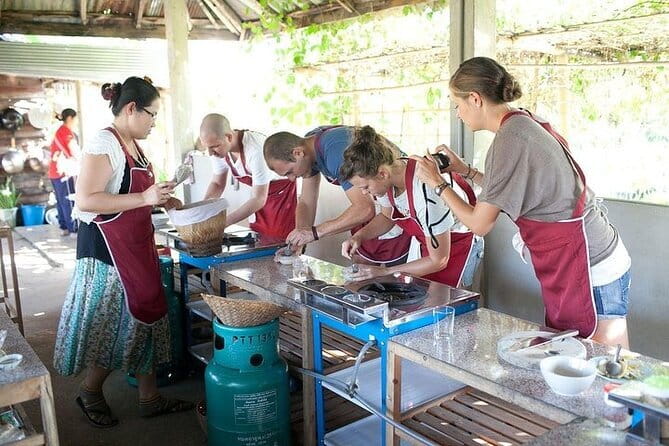
Group size is also a big deal. With a maximum of 6 travelers, you’re less likely to get ignored at the grater station or while using the millstone. In classes like this, attention is part of the value.
If you like autonomy and prefer learning at your own pace, a small group can still feel busy, but it’s usually manageable because the instructors are English-speaking and hands-on.
Price and value: what $57.99 really buys you
At $57.99 per person, this is not a “cheap” activity. But it’s also not just a basic demo. You’re paying for a full, guided day that includes ingredient selection, farm time, egg collecting, hands-on instruction, lunch, dessert and refreshments, and an e-recipe book.
To judge value, break it into parts:
- Market and farm stops save you time and guessing
- Traditional technique coaching is the whole point
- Five dishes means multiple cooking outcomes, not just one
- Meals and tastings help you test what you made
- Transfers reduce your planning burden
Also, the class is commonly booked about 44 days in advance on average. That suggests demand is steady. If you have flexible dates, you might still get in, but if your schedule is tight, earlier booking improves your odds.
One more cost note: alcohol drinks are not included. If you think you’ll want alcohol during breaks, plan for that budget separately.
Who this class suits best (and who should rethink it)
This is a great pick if you want Northern Thai food beyond a tasting menu. You’ll likely enjoy it most if you care about technique, like charcoal grilling, milling, and working with coconut the traditional way.
It’s also a good match for people who learn by doing. If you prefer watching someone else cook, this may feel like hard work, because you’re actually cooking five dishes.
Small group size helps solo travelers and couples. It also works if you’re traveling with family, since children under 12 are welcome as visitors. That said, the main focus is cooking for the group, so plan for a more structured adult-oriented food lesson.
If your goal is only to eat a lot of Thai food and you hate prep tasks, consider that you will wash vegetables, mill flour, grate coconut, and handle charcoal cooking steps. The day is active.
Should you book Grandma’s Home Cooking School in Chiang Mai?
Book this class if you want a full Northern Thai cooking day with real hands-on techniques, ingredient sourcing, and a small-group feel. The biggest wins are the market-to-farm flow and the traditional tool practice, especially the charcoal grilling, millstone flour, coconut grating, and the coconut pancakes at the end.
Skip it, or at least adjust expectations, if you expect a true grandma household kitchen. Feedback indicates the experience is a polished school setup rather than a literal home kitchen. It’s still clean and well run, but the charm is instructional and practical, not rustic.
If you want a souvenir you can actually use, this one delivers: you’ll leave with a downloadable recipe book so you can recreate the dishes after you go home.
FAQ
What is the start time for the cooking class?
The class starts at 9:00 am.
How long does the experience last?
It’s listed at about 7 hours.
How many dishes will I cook?
You will learn to cook five traditional Northern Thai dishes.
Which Northern Thai dishes are included?
The dishes listed include Northern Thai Sausage, Nam Prik Ong or Nam Prik Num, Northern Pork Belly Curry, Curry Young Jackfruit, and Thai coconut pancakes.
Is hotel pickup and drop-off included?
Yes. Round-trip transfers to and from your hotel are included, and pickup is offered.
Will I eat lunch and desserts during the class?
Yes. Lunch is included, and there is also a dessert and refreshments session with traditional Thai desserts.
Are drinks included?
You’ll get a refreshing drink and welcome snacks on arrival, plus refreshments during the dessert session. Alcohol drinks are not included.
Is the instruction in English?
Yes. The cooking instruction is provided by English-speaking instructors.
Can the class accommodate special dietary requirements?
The activity is able to accommodate special dietary requirements.
How much time do I have to cancel for a full refund?
You can cancel up to 24 hours in advance of the experience start time for a full refund. If you cancel less than 24 hours before the start time, the amount paid is not refunded.
Fresh listings for Chiang Mai
- Skydive Chiang Mai★ 5.0 · 1 review
- One day hiking tour in Chaing Mai★ 5.0 · 1 review
- One Day Non Tourist Trek 100% Guarantee★ 5.0 · 1 review
- Chiang Mai to Chiang Rai (Private 3 day Tour)★ 5.0 · 1 review
- San Kamphaeng Hot Springs and Thai Handicraft Tour from Chiang Mai★ 5.0 · 1 review
- Half day Doi Suthep Temple & Mae Ping River cruise (Private)★ 5.0 · 1 review
Food & Drink, compared.
Small-Group Chiang Mai Evening Street Food Tour
Read our review →
Northern Flavours Chiang Mai Food Tour with 15+ Tastings
Read our review →
The 10 Tastings of Chiang Mai With Locals: Private Street Food Tour
Read our review →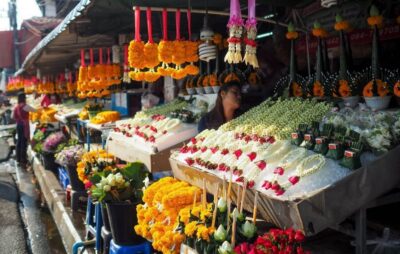
Taste of Chiang Mai: Michelin Guide & Street Food Tour
Read our review →
Go where the locals go, Eat what the locals eat! Food Tour with Local Foodies
Read our review →Browse the lists this tour appears in