
Reviewed · HISTORICAL TOURS
Half Day Historical & Cultural Experience Bicycle Tour
Bike, temples, and farm life in one ride. This half-day cultural cycling loop takes you beyond Chiang Mai’s main streets, with stops that explain how Lanna life shaped what you see today, including the ruins at Wiang Kum Kam. Expect a guided route with mountain biking gear, local food breaks, and plenty of chances to ask questions.
I especially like two things here: the way you get real temple and ruin context from an English-speaking guide, and the farm portion where the day feels hands-on, peaceful, and very Thai, from fruit to dessert. The second big plus is the organized pacing for a short outing, so you still get stories and snacks without feeling like a full-day workout.
One thing to consider is comfort. Even with a “not too strenuous” route, saddles can be hard, and if you’re sensitive to that, you will feel it more than the hills do. It’s also a bike ride of about 8 to 10 kilometers, so it is not for you if you cannot comfortably pedal.
In This Review
- Key things I’d plan around
- Getting from your hotel to the bikes and briefing
- Pedaling the Ping Riverside, temples, and old-city stories
- Organic farm time with villager-run gardens and Thai snacks
- The flower cone workshop before temple worship
- Wiang Kum Kam ruins, old Lanna power, and underground mystery
- Price and what $42 really covers in real terms
- Fitness, comfort, and what to bring (so the ride feels good)
- Should you book this half-day bicycle tour?
- FAQ
- How long is the Half Day Historical and Cultural Experience Bicycle Tour?
- How far will I cycle?
- Is transportation included?
- What gear is provided?
- What food and drinks are included?
- What should I bring?
- Are there restrictions on luggage or clothing?
Key things I’d plan around
- English-speaking guidance with lots of Q and A, which matters when you want the meaning behind the ruins and temple images
- A villager-run organic farm stop, where you can watch or join simple garden activities like cultivating and watering
- Snack time that actually fits the culture, including fresh fruit and Thai dessert
- A temple-tribute flower cone workshop, making small handmade offerings before a temple visit
- Wiang Kum Kam ruins visit, tied to the former capital of the Lanna Empire built by King Muang Rai
- Quick fixes when equipment is an issue, especially with helmet swaps at the start
Getting from your hotel to the bikes and briefing
You start with pick-up from your hotel and a transfer to the cycling center at Trekker Camp, where you get set up and you get the basics for riding the route. The tour runs in half-day blocks, either 09:00 to 12:30 or 13:30 to 16:00, which is a nice format if you want something active without losing your whole day to sightseeing.
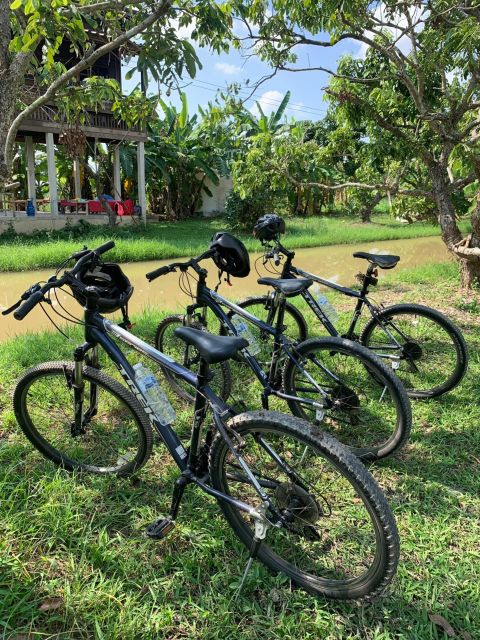
Once you’re at Trekker Camp, you’ll get a quick route rundown and instructions on how to use the mountain bike. This part matters more than it sounds, especially if you are not used to gears. Here, the bikes are mountain style, and the gearing is part of the experience. If something feels off, you can ask early, before you’ve already ridden far.
What you should bring is practical stuff: sports shoes and cash. You also need to follow the clothing rules, no sleeveless shirts, and you should plan around the fact that no luggage or large bags are allowed. You’ll likely want to keep your stuff minimal, so you can focus on pedaling and listening.
Pedaling the Ping Riverside, temples, and old-city stories
After the setup, the cycling begins along the Ping’s riverside. This is a gentle start that helps you get your balance and rhythm before the route takes you into more temple and history stops. You’ll ride around the old city area to learn about local history and culture, not just tick off photos.
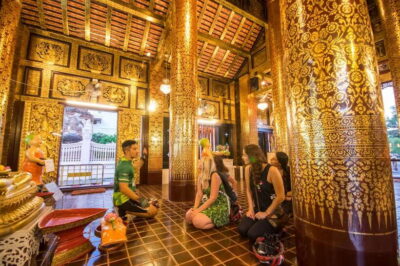
A key part of this segment is the temple visit along the ride. Temples here are not only scenic, they are also where you learn to “read” what you’re seeing, like Buddha images and historic temple features. The guide explains what to notice, and you can ask questions, which makes the stops feel less like a script and more like a conversation.
How hard is the ride here? The pace is designed for a half-day group cycling experience, and hills are not the main story. That said, you still cover enough distance that you should wear shoes you trust. If you go in expecting to cruise with zero effort, you may be surprised. The good news is that the speed is set to match the group, so you’re not getting dropped.
Also, listen closely at the early stops. This is where the guide connects the dots between what you see in temples and what you’ll later find at Wiang Kum Kam. When that connection clicks, the second half of the ride feels more meaningful, not just different scenery.
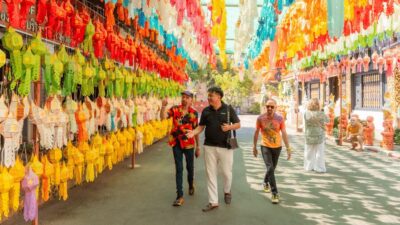
The old walled city, moat and all
- Chiang Mai: Historic Temples and City Guided Walking Tour★ 4.7 · 650 reviews
- Chiang Mai: Historic Old City Bike Tour – Morning or Night★ 4.7 · 263 reviews
- Chiang Mai: Historic Old City Bike Tour – Morning or Night★ 5.0 · 202 reviews
- Chiang Mai: Private Historic Old City Bike Tour – Night★ 4.7 · 143 reviews
Organic farm time with villager-run gardens and Thai snacks
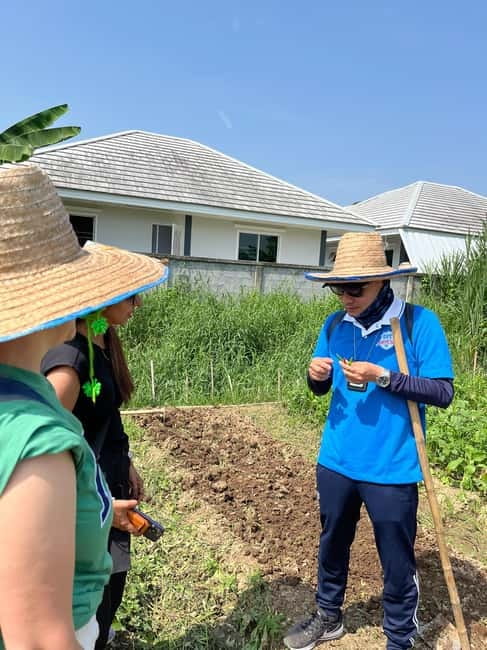
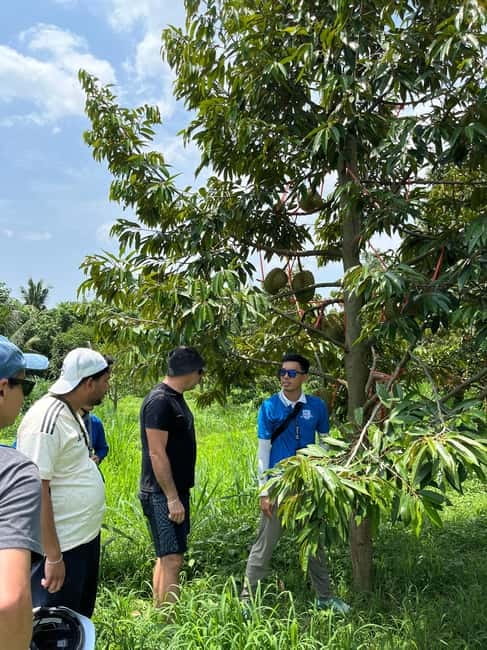
Next comes the organic farm stop, and this is one of the most relaxing parts of the day. You cycle to an organic vegetable plantation connected to local villagers and their sustainable agriculture practices. The atmosphere is calm, and the farm break is built for both learning and simple participation.
If you like being active, you might join gardener activities like cultivating, watering, and related hands-on tasks. If you prefer to watch rather than work, that also works. Either way, you get a more grounded sense of how food grows around Chiang Mai, not just what it looks like in a market display.
This is also when the tour feeds you. You’ll have fresh fruit and Thai dessert, typically the kind of snack that fits the morning or afternoon timing. It’s not a random add-on. It connects to the farm theme, and it gives you energy before you return to temples and ruins.
One more detail I appreciate is the garden break format. You’re not rushed through it like a quick stop. The pacing leaves room to slow down, ask questions, and switch from “bike mode” to “people and place” mode.
The flower cone workshop before temple worship
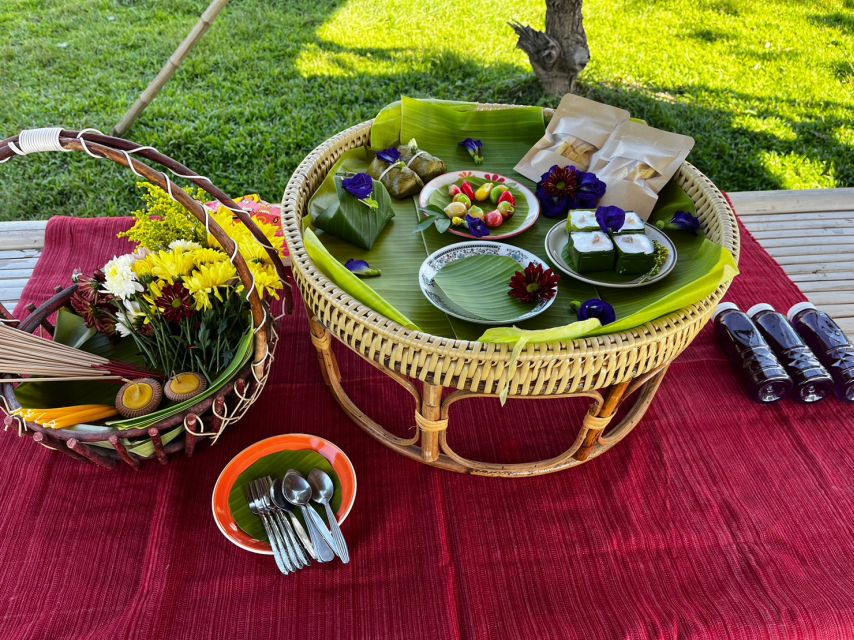
Between farm and ruins, you get a workshop experience focused on making small handmade offerings. You’ll learn how to make a flower cone and create your own set of flowers, designed for use in temple worship.
This is one of those small activities that turns a normal sightseeing day into something you can remember with your own hands. It also makes the temple visits more personal, because you’re not just looking at religious items as objects. You made an item meant to be used in the temple context.
The workshop happens during the garden break with the garden owner, and it includes Thai culture explanations. The explanation piece is important. Without it, you might see the steps and miss the meaning. With it, the workshop becomes a short crash course in how Thai temple offerings work and why people do them.
If you’re the type who likes quiet tasks, this is also a nice break from pedaling. If you’re worried you will mess it up, don’t. This isn’t about perfection, it’s about participating.
A few more ways to fill a day here
- Half-Day Thai Cooking Class at Organic Farm in Chiang Mai
★ 5.0 · 19,087 reviews - Chiang Mai: Elephant Sanctuary Feeding Program Half-Day Tour
★ 4.8 · 4,527 reviews - Half Day Visit Smile Elephant Chiang Mai
★ 5.0 · 1,216 reviews
Wiang Kum Kam ruins, old Lanna power, and underground mystery
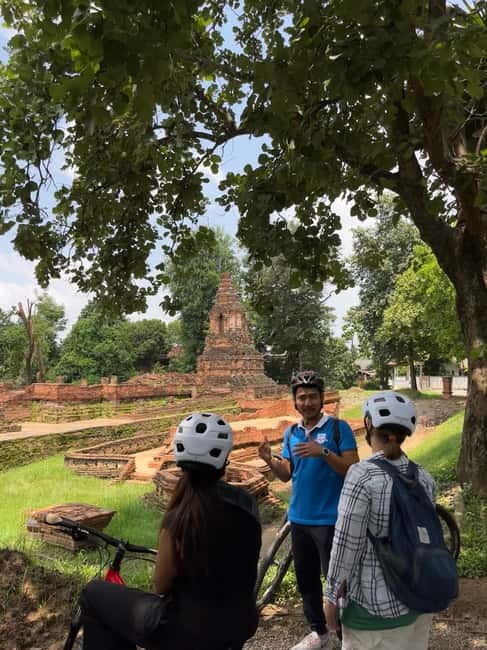
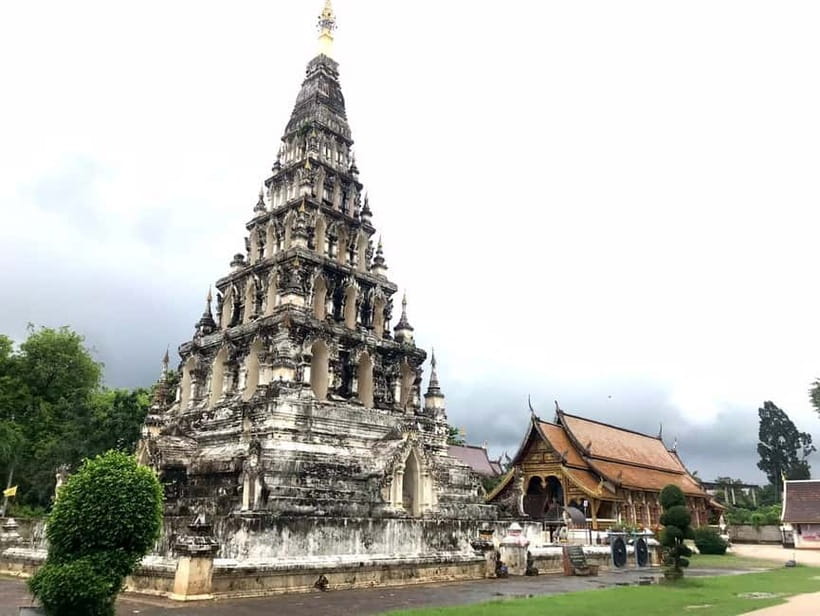
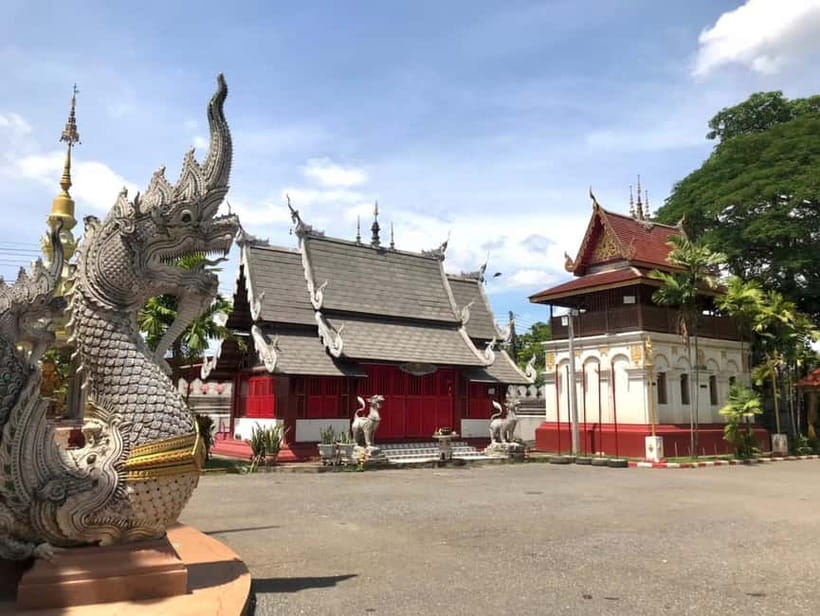
The ride then takes you to Wiang Kum Kam, described as the former capital of the Lanna Empire built by King Muang Rai. You’ll visit temple ruins that date back hundreds of years, and the site includes discovered elements like Buddha images and old pottery.
Wiang Kum Kam is famous for its historical layers, and the experience feels like you’re moving through time rather than just strolling among stones. The guide helps you understand what you’re looking at, especially the temple remains and how they connect to Chiang Mai’s past.
What makes the visit especially good on a bike tour is the transition. You cycle from everyday countryside rhythm to a site tied to a former seat of power. That contrast helps the ruins feel less abstract. It’s easier to imagine the old city when you’re arriving by the same kind of path rhythm that local life still uses.
A practical note: because this is a ruin and temple site, you will likely do some standing and walking off the bike. Wear shoes that can handle uneven ground and keep an eye on your footing. Also, keep your water accessible, since the half-day format can still feel warm even at moderate pace.
Price and what $42 really covers in real terms
At $42 per person, this tour lands in the “good value if you want guided context” category. You’re paying for more than cycling. You’re getting: a mountain bike and helmet, an English-speaking guide, admission fees as mentioned, roundtrip transfers from your hotel area to Trekker Camp and back, water and a refreshing towel, and the meal-style snack portion of fresh fruit and Thai dessert.
You’re also getting accidental insurance included. That’s not the most exciting line item, but it’s the kind of practical coverage that makes active tours feel safer.
If you’re trying to compare value, think about what you would otherwise pay for separately: bike rental plus a guide plus multiple temple admissions plus a planned route plus snacks. When the package includes transport and food, the price becomes more reasonable, even if you could theoretically do parts on your own.
The strongest value angle here is the guided explanation, especially for the historical site at Wiang Kum Kam. If you are the kind of traveler who likes understanding what you see, the guide time is what makes the $42 feel like it’s going somewhere.
Fitness, comfort, and what to bring (so the ride feels good)
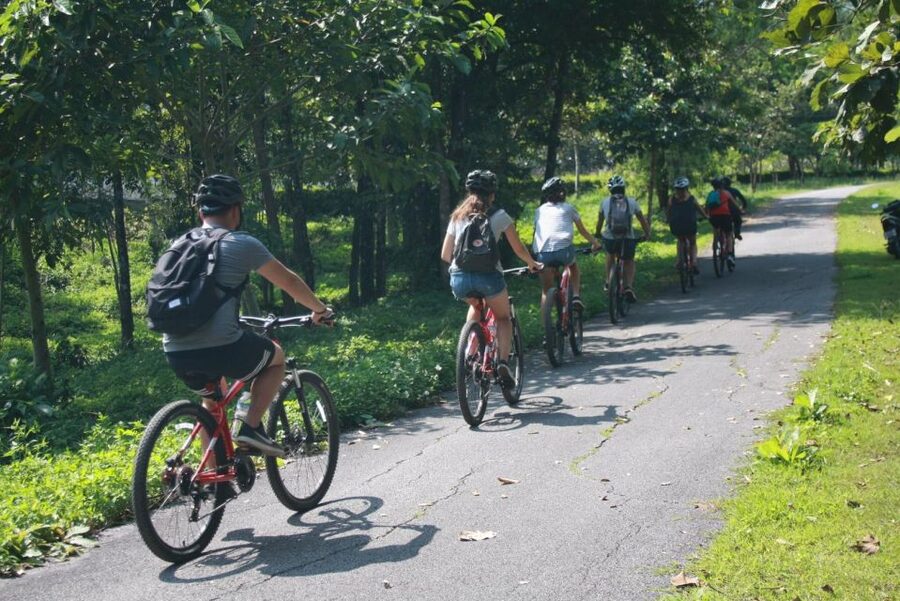
You cycle about 8 to 10 kilometers. That’s a manageable distance for most people who can ride a bike comfortably, and the route is designed not to be overly strenuous, with hardly any hills reported. Still, you should treat it as real cycling, not a casual stroll.
The big comfort question is saddle hardness. One guide-assisted fix is gear adjustment, and in one case helmets were swapped when the originals were broken at the start. That tells you something useful: if something feels wrong, speak up right away instead of waiting.
So, what should you bring?
- Sports shoes you can grip on temple surfaces
- Cash (the tour notes it as important)
What will you not be doing?
- You should not expect this to work if you cannot ride a bike
- It is not suitable for people with mobility impairments, wheelchair users, children under 5, people with recent surgeries, people with a cold, or anyone over 70
- It is also not a good match for low fitness days
One last clothing note: no sleeveless shirts. This is a temple area tour, so it helps to dress with respect and comfort in mind.
Should you book this half-day bicycle tour?
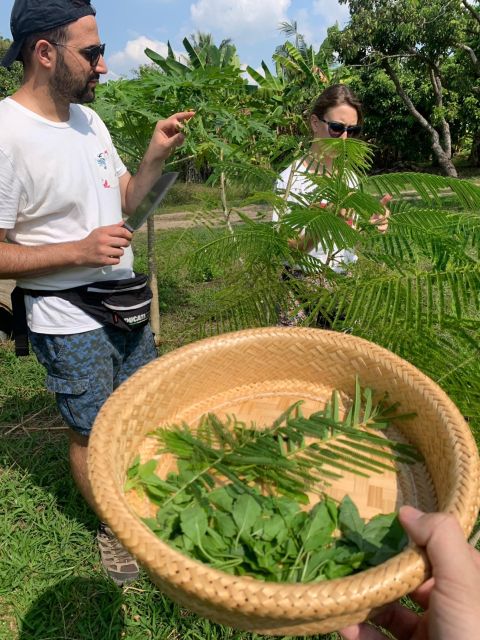
Book it if you want an active half-day that still feels cultural, with temple context, a real farm visit, and Wiang Kum Kam ruins you can understand instead of just photograph. The flower cone workshop is also a memorable add-on, especially if you like small craft moments tied to temple practice.
Skip it if saddle comfort is a deal breaker for you, or if you are not confident with cycling distance, even at a moderate pace. Also skip it if you want a totally low-effort day, because 8 to 10 kilometers on a mountain bike still takes some focus.
Finally, if you can spare half a day in either the morning or afternoon, I’d pick this over a generic temple-only outing. The combination of riverside pedaling, a peaceful farm, and a former Lanna capital makes it feel like a connected day, not a checklist.
FAQ
How long is the Half Day Historical and Cultural Experience Bicycle Tour?
The tour runs for a half day in two options: 09:00 to 12:30, or 13:30 to 16:00.
How far will I cycle?
You will cycle for about 8 to 10 kilometers.
Is transportation included?
Yes. Roundtrip transfers are included from your hotel to Trekker Camp and back to your hotel.
What gear is provided?
A high quality helmet and a mountain bicycle are included.
What food and drinks are included?
You get 1 set of fresh fruits and Thai desserts, plus 1 set of bottle water and a refreshing towel.
What should I bring?
Bring sports shoes and cash.
Are there restrictions on luggage or clothing?
Yes. Luggage or large bags are not allowed, and sleeveless shirts are not allowed.
Fresh listings for Chiang Mai
- Skydive Chiang Mai★ 5.0 · 1 review
- One day hiking tour in Chaing Mai★ 5.0 · 1 review
- One Day Non Tourist Trek 100% Guarantee★ 5.0 · 1 review
- Chiang Mai to Chiang Rai (Private 3 day Tour)★ 5.0 · 1 review
- San Kamphaeng Hot Springs and Thai Handicraft Tour from Chiang Mai★ 5.0 · 1 review
- Half day Doi Suthep Temple & Mae Ping River cruise (Private)★ 5.0 · 1 review
Historical Tours, compared.
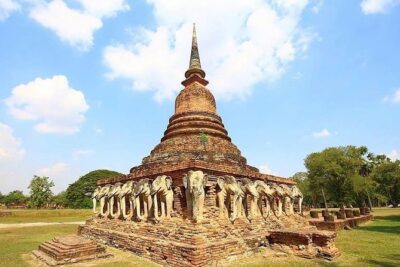
1 Day Sukhothai Historical Park from Chiang Mai Private Tour
Read our review →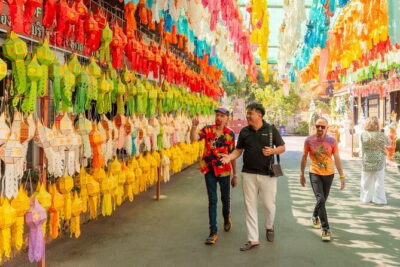
Old Town History and Culture Walking Tour at Chiang Mai
Read our review →
Browse the lists this tour appears in