
Reviewed · NORTHERN THAI COOKING CLASSES
Half-Day Thai Cooking Class on a Local Farm Near Chiang Mai
A Thai cooking class beats a restaurant meal because you learn the why, not just the taste. This half-day farm experience pairs an organic countryside visit with a hands-on workshop that starts at a local market. You also get to pick seasonal fruit from the trees, then unwind by the swimming pool after cooking.
I really like how practical the flow is, you choose produce at the market, then you use it immediately at the farm. I also love the variety of dishes, from curry paste basics to Pad Thai and Tom Yum Goong. One thing to consider: it runs for about 6 hours, so it is not the shortest activity in Chiang Mai if you are trying to pack in everything else.
In This Review
- Key highlights you will feel right away
- Entering The Chiang Mai Market, Where Thai Flavor Begins
- Organic Farm Walk And Herb Garden Tips You Can Use Back Home
- Picking Longans Or Mangoes From The Trees, Then Using That Fruit Later
- Inside The Cooking Workshop: Curry Paste, Pad Thai, Tom Yum Goong
- Air-Conditioned Comfort, Then Chill-Out Pool Time
- What You Really Get For $28: Value That Feels Fair
- How To Choose Your Timing: Morning Pickup Or Afternoon Session
- Who This Half-Day Thai Cooking Class Fits Best
- Should You Book This Thai Farm Cooking Class?
- FAQ
- What is the price for the Half-Day Thai Cooking Class?
- How long is the experience?
- Does the class include hotel pickup?
- What dishes and cooking topics will I learn?
- Can I pick fruit during the visit?
- What is included in the price?
- Is there a cancellation policy?
Key highlights you will feel right away
- Market practice first, so you learn how Thai cooking starts with choosing the right ingredients
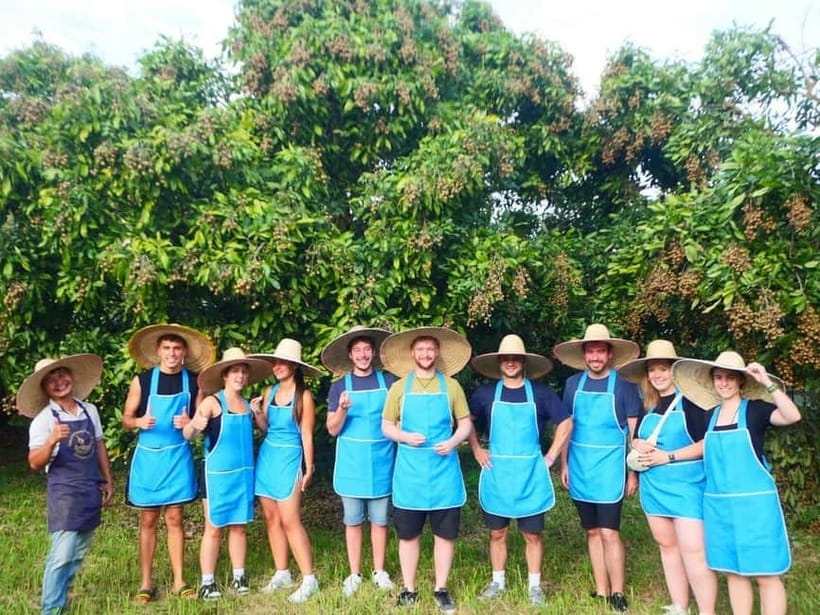
- Organic farm herb garden, with tips on growing herbs and vegetables you’ll actually cook with
- Tree-picked fruit seasonality, longans in July-August and mangoes in March-May
- Hands-on class format, where you make curry paste, curry, stir-fry, soup, and spring rolls
- Relax time by the pool, plus optional cooling off with a swim
Entering The Chiang Mai Market, Where Thai Flavor Begins
If you want Thai food to make sense, start at the market. This class begins with a visit to a local market, where you explore fresh ingredients and learn how to choose what is best for Thai cooking. The point is not just shopping, it is understanding the building blocks of flavor.
You typically see the ingredients that Thai cooks use daily: herbs, aromatics, produce at peak ripeness, and staples that make sauces and pastes taste right. That matters because Thai food is less about one spice “winning” and more about balance, fresh herbs, and the right texture from vegetables, seafood, or noodles.
A useful way to approach this part is to watch for three things as you walk:
- Color and freshness, especially on herbs and leafy greens
- Aroma, when vendors let you smell ingredients like herbs and aromatics
- Ripeness, especially fruit you will later pick at the farm
One added bonus here is the guide support. In an account from the UK, the guide named Louna was described as upbeat and helpful, and that kind of on-the-spot coaching is exactly what you want at markets where everything can look similar until someone shows you what matters.
Organic Farm Walk And Herb Garden Tips You Can Use Back Home
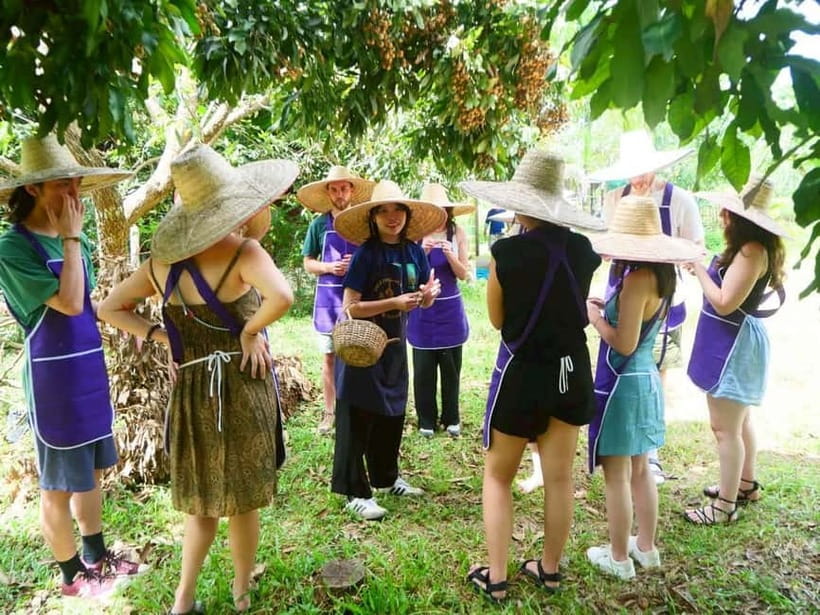
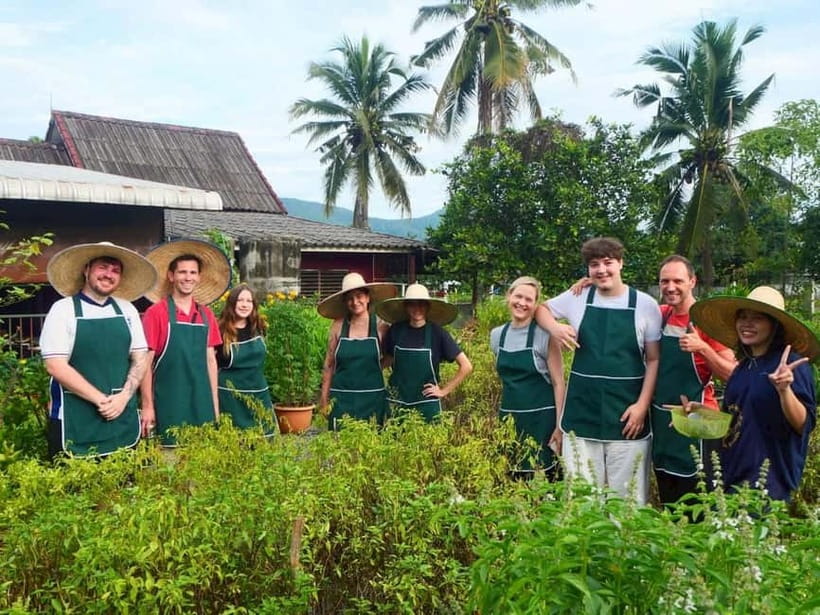
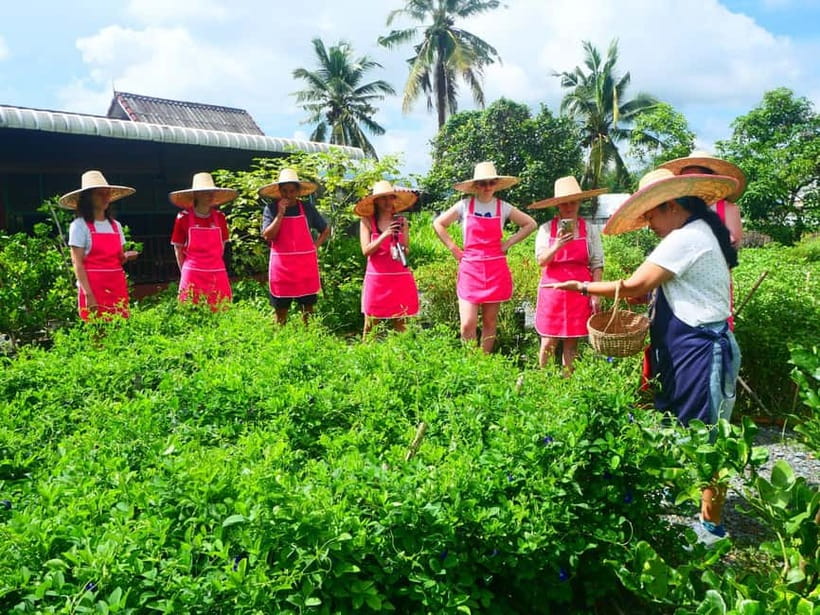
After the market, you head to a local organic farm just outside Chiang Mai. This is where the experience shifts from buying ingredients to learning how they grow, because you will stroll through an herb garden before you start cooking.
This part is more than scenery. You get expert guidance on herbs and vegetables, including practical notes about what grows well, what to look for, and how farm-fresh ingredients affect cooking. Even if you never grow Thai basil or kaffir lime at home, you come away with better instinct for substitutions and flavor targets.
A farm setting also changes the cooking class atmosphere. It feels calm, rural, and grounded, not like a rushed kitchen demo. And if you care about eating with a lighter footprint, this is your chance to connect the dots between organic growing and the food you prepare.
One small consideration: farm visits mean you are outdoors for parts of the day. Bring something with decent sun protection, and wear shoes you can walk in comfortably. It is not extreme trekking, but you will be moving around.
Market run first, then into the kitchen
- Half-Day Thai Cooking Class at Organic Farm in Chiang Mai★ 5.0 · 19,087 reviews
- Chiang Mai: Cooking Class, Market & Thai Herbs Garden Tour★ 4.9 · 4,824 reviews
- Chiang Mai: Authentic Cooking Class with Market & Farm Visit★ 4.9 · 4,546 reviews
- Thai and Akha Cooking Class in Chiang Mai★ 5.0 · 4,358 reviews
Picking Longans Or Mangoes From The Trees, Then Using That Fruit Later
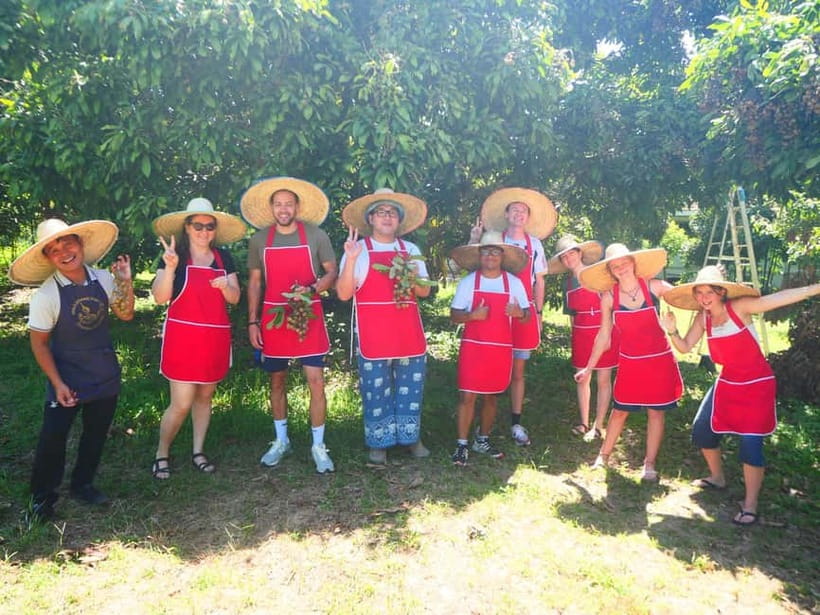
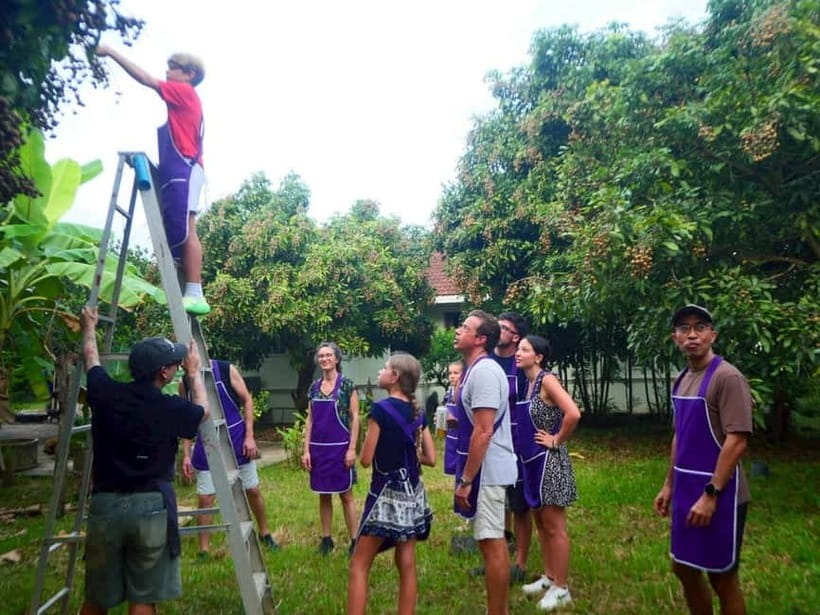
One of the most memorable parts is the chance to pick seasonal fruit right from the trees. The fruit depends on the time of year:
- Longans are available July-August
- Mangoes are available March-May
Fruit picking sounds like a fun extra, but it actually supports why the class works. When you choose fruit at peak ripeness, you understand why Thai cooks use fruit in a way that is not just dessert. Sweetness, aroma, and texture are ingredients too.
For mango season, the fruit tends to be bright and fragrant. For longans, you get that mellow sweetness and gentle chew. Either way, you get a tactile sense of what “fresh” means, not the fruit you see in a supermarket that has traveled and sat.
Also, it is a great reset between the market and the cooking. You get outside time, you break up the day, and then you move into the kitchen portion with a clearer head.
Inside The Cooking Workshop: Curry Paste, Pad Thai, Tom Yum Goong
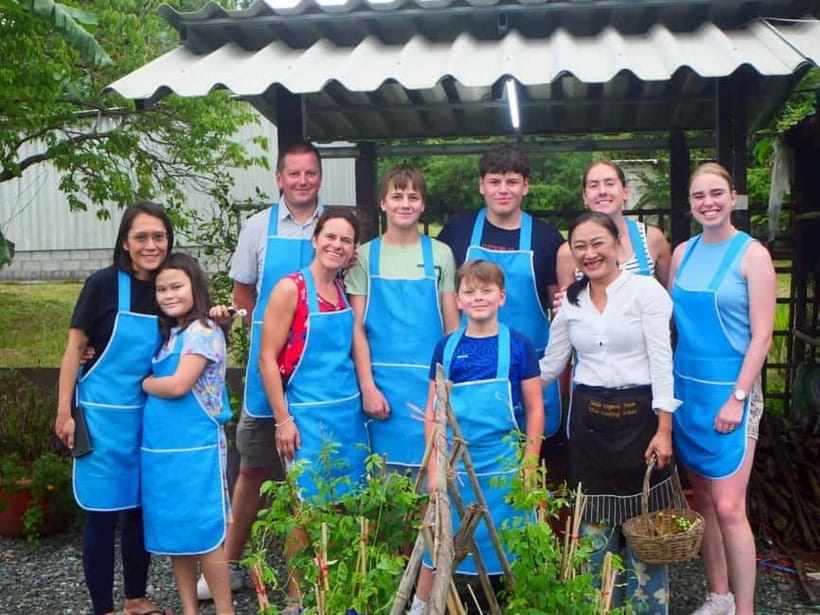
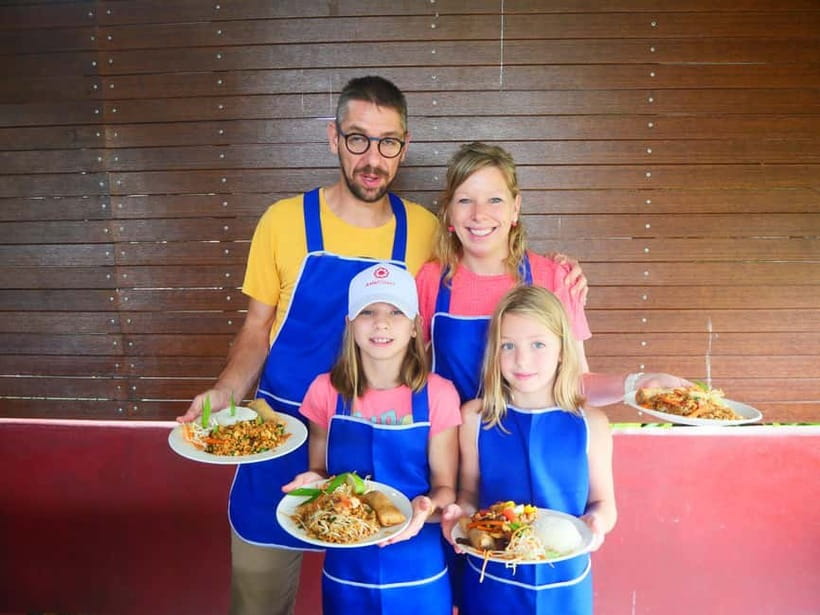
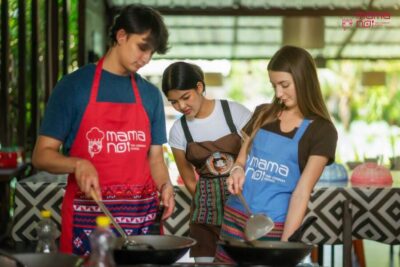
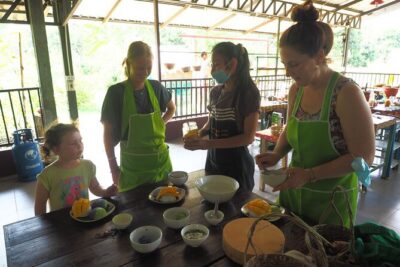
Now comes the main event: a hands-on workshop where you cook classic Thai dishes from scratch. You learn how to make curry paste and then use it to create curry. You also make stir-fry, soup, and spring rolls, and the class highlights familiar favorites like Pad Thai and Tom Yum Goong (spicy prawn soup).
What I like about this lineup is that it trains your Thai cooking toolkit, not just one dish.
- Curry paste gives you the flavor base, usually the most “mysterious” part for home cooks.
- Curry and stir-fry teach you how that base behaves with different ingredients and heat levels.
- Soup shows how Thai balance works in liquid form, where sour, spicy, salty, and aromatic notes have to stay in harmony.
- Spring rolls help you practice a different texture and workflow, because rolling and frying (or preparing, depending on the class) requires attention.
And you are not doing it blindly. The instructor is English speaking, and the class is designed as a workshop, meaning you work alongside the process rather than watching a far-too-brief demonstration and hoping it sticks.
If you are the type who likes to take notes, this is one place where writing down your tweaks will actually pay off later. Things like how spicy something is to your taste, how thick your curry paste ends up, or how long noodles need can be the difference between a good attempt and a repeatable dish.
Two practical tips for you during the class:
- Keep your workstation tidy, Thai prep moves fast when you are switching between herbs, pastes, and sauces.
- Taste as you go. Thai cooking is built on adjustments, so ask your instructor what you should be aiming for at each stage.
Transport between the market and the farm is covered by an air-conditioned vehicle, and transport is highly rated, with 92% of reviewers giving it a perfect score. That matters because the ride is part of comfort, not wasted time.
A few more ways to fill a day here
- Chiang Mai: Cooking Class with Organic Farm at Mama Noi
★ 4.9 · 1,151 reviews - Full Day Thai Cooking at Farm (Chiang Mai)
★ 5.0 · 1,127 reviews - Chiang Mai: 2-Day Jungle Trek with Elephant Farm & Raft Ride
★ 4.7 · 881 reviews
Air-Conditioned Comfort, Then Chill-Out Pool Time
After cooking, you do not get dumped outside with no plan. The farm has a chill-out area by the swimming pool, and you can relax or take a refreshing dip if you feel like it.
This is a small detail that makes a big difference. Cooking classes can be intense, hot, and hands-on, even when they are fun. Having downtime on site means you can digest your own food, cool off, and actually enjoy the rest of your afternoon or morning.
If you plan to swim, bring a towel or at least be ready for the possibility. The class itself provides ingredients and the recipe resources, but personal items are still your responsibility.
What You Really Get For $28: Value That Feels Fair
At $28 per person for a 6-hour half-day experience, this sits in the sweet spot for Thailand activities: you are paying for more than a meal. You are paying for structured learning, ingredients, and a farm-to-kitchen pathway.
Here is what supports the value:
- All ingredients for the cooking class are included
- An e-book for all recipes is included, so you can cook again later
- A photo album is shared on Facebook
- Hotel pickup is included for accommodations within 3 kilometers of Chiang Mai Old City
- Air-conditioned vehicle transport helps reduce travel stress
Also, the pacing matters. This is not a “show up, eat, leave” option. You go market first, farm second, cooking last, then you unwind. That gives the price a clear job: you are getting time, instruction, and context.
It is also worth noting the overall rating. The experience averages 4.9 stars from 32 reviews, which is a strong signal that people are leaving happy rather than simply fed.
How To Choose Your Timing: Morning Pickup Or Afternoon Session
There are two daily options built around pickup times:
- Morning course pickup is between 8:00 and 8:30am
- Evening course pickup is between 3:00 and 3:30pm
You will be picked up at your hotel or accommodation within 3 kilometers of Chiang Mai Old City, so you can start without complicated planning. You just need to inform the provider of your hotel name and address in advance.
So how do you decide? If you like a full day, the morning session often feels best because you still have time after to explore the city. If you prefer a slower pace, the afternoon session can work because it turns your later hours into something hands-on and relaxing, with pool time at the end.
Either way, it is a good choice if you want a cultural activity that is active, not just “look and take photos.”
Who This Half-Day Thai Cooking Class Fits Best
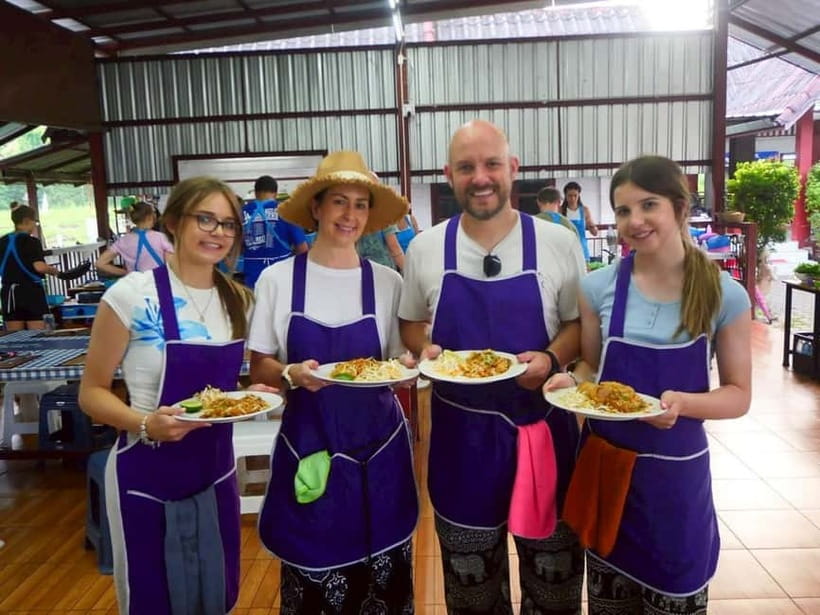
This experience is especially good if you want Thai culture through food, but you prefer doing something with your hands. It suits:
- Food lovers who want to learn flavor bases like curry paste
- First-time Thai cuisine cooks who want a structured foundation
- People who like nature and organic farming context, not just a city stop
- Travelers who enjoy markets and seasonal produce
It may not fit as well if you are trying to do only super-short activities. At 6 hours, plan for it to take up a real chunk of your day. Also, if you do not enjoy outdoor time, you might want to bring sun protection, especially for the farm walk and fruit picking.
Should You Book This Thai Farm Cooking Class?
I would book this if you want one ticket that teaches you Thai cooking logic, not only Thai flavors. The combination of a market ingredient lesson, an organic herb garden walk, tree-picked fruit, and a hands-on workshop for classics like Pad Thai and Tom Yum Goong makes it feel like a learning experience you can repeat at home.
It is also good value because $28 buys you ingredients, recipes, and transport, plus actual downtime afterward by the pool. And if you want an extra confidence boost, the experience’s high rating and a guide like Louna, praised for helpfulness and a friendly vibe, are exactly the kind of details that make classes smooth.
If your schedule allows, pick the session time that best protects your energy. Then go in hungry, take notes when you can, and taste your way through the steps. Thai cooking gets easier when you understand what each ingredient is supposed to do.
FAQ
What is the price for the Half-Day Thai Cooking Class?
The price is $28 per person.
How long is the experience?
It lasts about 6 hours.
Does the class include hotel pickup?
Yes. Pickup is included within a 3 kilometer radius of Chiang Mai Old City. Morning pickup is between 8:00 and 8:30am, and evening pickup is between 3:00 and 3:30pm.
What dishes and cooking topics will I learn?
You will make dishes such as curry paste, curry, stir-fry, soup, and spring rolls. The class also highlights classic options like Pad Thai and Tom Yum Goong.
Can I pick fruit during the visit?
Yes. You can pick seasonal fruit from the trees, including longans in July-August and mangoes in March-May.
What is included in the price?
Included items are an air-conditioned vehicle, all ingredients for the cooking class, an e-book for all recipes, and a photo album shared on Facebook.
Is there a cancellation policy?
You can cancel up to 24 hours in advance for a full refund.
Fresh listings for Chiang Mai
- Skydive Chiang Mai★ 5.0 · 1 review
- One day hiking tour in Chaing Mai★ 5.0 · 1 review
- One Day Non Tourist Trek 100% Guarantee★ 5.0 · 1 review
- Chiang Mai to Chiang Rai (Private 3 day Tour)★ 5.0 · 1 review
- San Kamphaeng Hot Springs and Thai Handicraft Tour from Chiang Mai★ 5.0 · 1 review
- Half day Doi Suthep Temple & Mae Ping River cruise (Private)★ 5.0 · 1 review
Northern Thai Cooking Classes, compared.
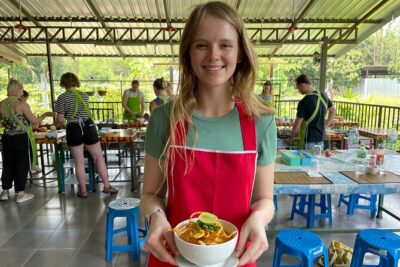
Half-Day Thai Cooking Class at Organic Farm in Chiang Mai
Read our review →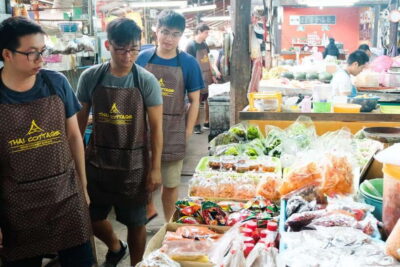
Cooking Class, Market & Thai Herbs Garden Tour
Read our review →
Authentic Cooking Class with Market & Farm Visit
Read our review →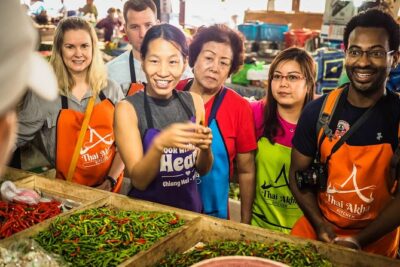
Full Day Thai Cooking at Farm (Chiang Mai)
Read our review →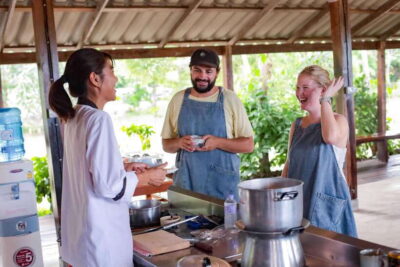
Browse the lists this tour appears in