
Reviewed · WALKING TOURS
Lanna Heritage Walking Tour: A Journey Through History
Chiang Mai’s past feels close on this walk. I like how the tour threads the Lanna Kingdom timeline into real places you see, and I like the way you also get local market time for fruit and snacks. The main drawback is that it is temple-style walking for about four hours, so if you need frequent rests or a full sit-down meal, this may feel tight.
A big reason this tour earns strong scores is the guide. English-speaking guide Richard brings clear context, stays calm with questions, and keeps the mood friendly and human. If you end up as a smaller group, you can ask more and get better answers.
Also, remember the practical rules: bring sports shoes, dress respectfully for Buddhist sites, and skip short skirts. And it is not a good match for kids under 8 or adults over 80, since the walking and site visits are part of the point.
In This Review
- Key highlights
- Starting at Tha Pae Gate, then watching Lanna history unfold
- Wat Chiang Man and the moat walk, plus Sompet Local Market snacks
- Three Kings Monument, Rama VI’s school, and the old palace-administration vibe
- Wat Phra Singh, temple significance, and a café break that feels local
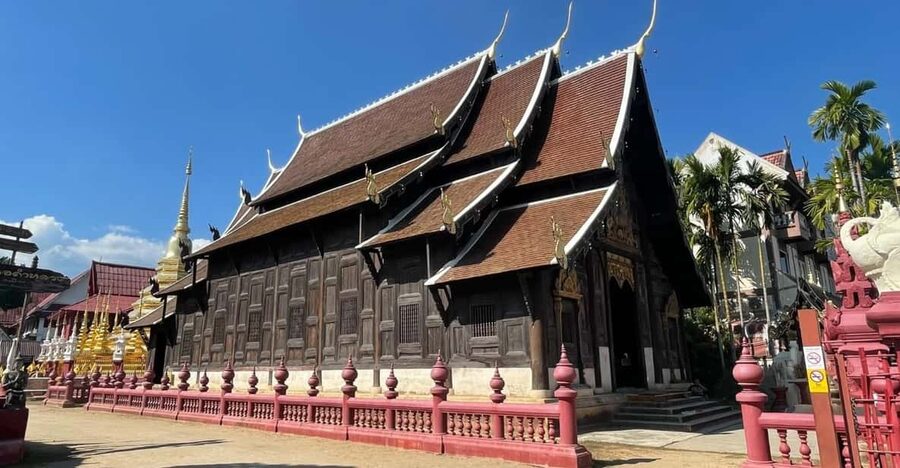
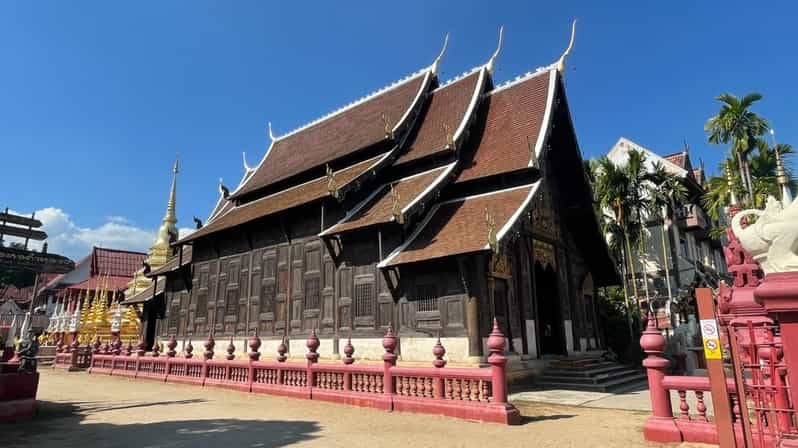
- Wat Pan Tao and traditional Lanna architecture tied to royal space
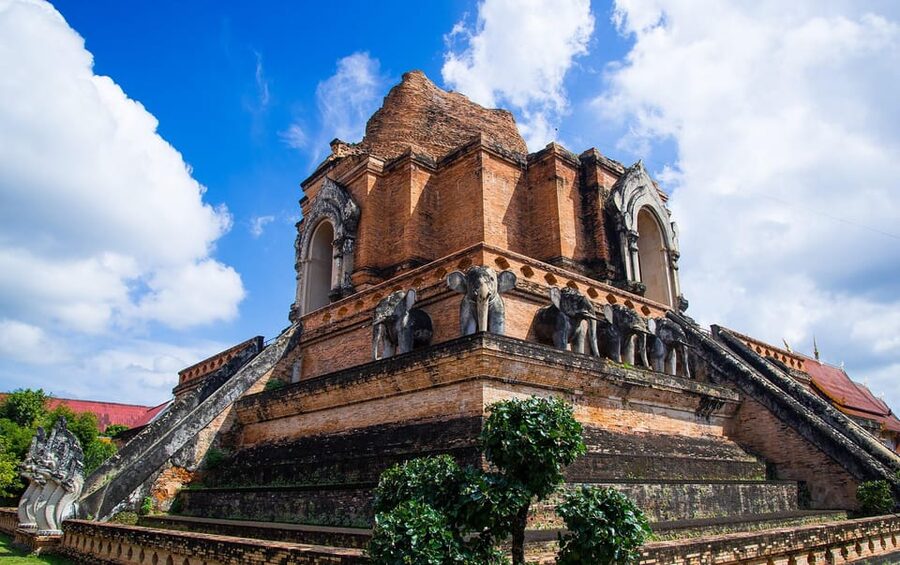
- Wat Chedi Luang to close, with the city’s enduring symbol
- Price and value for a 4-hour guided walking tour at $45
- Practical tips that make the day smoother
- Who should book the Lanna Heritage Walking Tour
- Should you book this tour or not?
- FAQ
- How long is the Lanna Heritage Walking Tour?
- Where does the tour start, and do you pick up from hotels?
- Is the tour price $45 per person, and what does it include?
- Are meals included during the tour?
- What should I bring and how should I dress?
- Is the tour suitable for children or older adults?
Key highlights
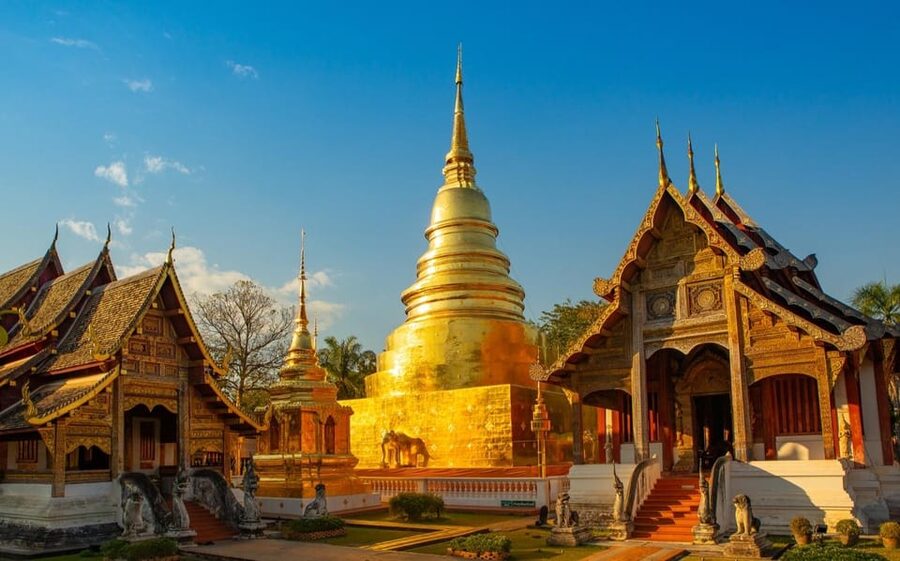
- Tha Pae Gate kickoff that sets up Lanna history before you start walking temple to temple
- Wat Chiang Man stone carvings that connect early Lanna to what you can see today
- Sompet Local Market snacks plus fresh fruit and everyday local life
- A renovation site tied to an early palace connected to a former women’s prison and future historical park
- Stops built around monarchy and governance including the Three Kings Monument and a school founded in 1900
Starting at Tha Pae Gate, then watching Lanna history unfold
You begin at Tha Pae Gate, one of the most recognizable entry points into Chiang Mai. From the first minutes, the guide frames the city as more than temples and photo stops. You get the big storyline first, so each next stop has a purpose.
You’ll hear how the Lanna Kingdom formed, what its golden era looked like, and what happened when power shifted under Burmese control. You also get the harder chapter: the city being abandoned for about 20 years, then the long fight for independence, and the kingdom’s revival roughly 250 years ago.
The tour also puts Lanna into a wider political map. You’ll learn how Lanna became part of Siam, and how both places managed to avoid being carved up by major colonial powers. That context matters because it changes how you interpret the architecture and monuments you’re about to see. It’s not just “old buildings,” it’s history shaped by choices and survival.
Finally, the guide ties the story forward to later eras, including a look at Chiang Mai’s teak industry boom and what the city faced during World War II. By the time you leave Tha Pae Gate, you’re not just walking around. You’re following a timeline that you can point to in real locations around you.
Wat Chiang Man and the moat walk, plus Sompet Local Market snacks
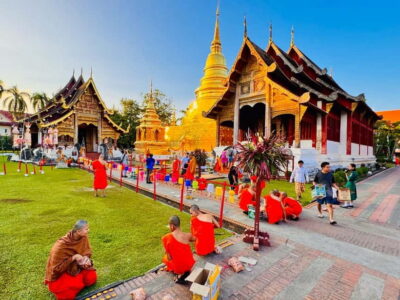
Next you head to Wat Chiang Man, widely known as Chiang Mai’s oldest temple. Here is where the tour becomes visual. You’ll focus on ancient stone carvings that depict early days of the Lanna Kingdom. When you can connect a story to carvings and design choices, the details start to stick.
This stop also helps you understand why the city’s layout matters. As you stroll along the historic city moat, the guide explains its construction and why it was important. Even if you’ve visited temples before, the moat context gives you a “how the city worked” lens, not just a “what the temple looks like” lens.
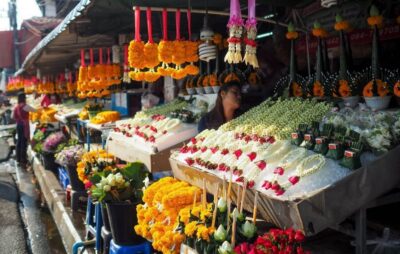
Then comes the sensory break that many history-focused walks miss. You head into the Sompet Local Market area for a local-life experience. You’ll sample fresh fruit and get a feel for how people eat, snack, and move through the market day. It is not a long shopping spree. It’s more about taste and observation.
You also get street food time paired with local snacks during this phase. Because you’ll likely be tasting as you walk, this part is one of the most comfortable ways to keep energy up while still learning.
Tip: wear shoes with good grip. Market sidewalks and temple approaches can be uneven, and the walking is continuous enough that you’ll feel it if your footwear is wrong.
The old walled city, moat and all
- Chiang Mai: Historic Temples and City Guided Walking Tour★ 4.7 · 650 reviews
- Chiang Mai: Historic Old City Bike Tour – Morning or Night★ 4.7 · 263 reviews
- Chiang Mai: Historic Old City Bike Tour – Morning or Night★ 5.0 · 202 reviews
- Chiang Mai: Private Historic Old City Bike Tour – Night★ 4.7 · 143 reviews
Three Kings Monument, Rama VI’s school, and the old palace-administration vibe
After the temple and market, you shift into a monuments and governance chapter. You’ll spend time at the Three Kings Monument, where you learn about Chiang Mai’s revered monarchs. This stop helps you understand why certain rulers get physically honored in public space. It’s not just a statue, it’s a memory system for the city.
From there, the guide takes you toward the city’s modern history layer. You’ll see Chiang Mai’s first government school, established in 1900 during the reign of King Rama VI. That detail might surprise you if you mostly think of Chiang Mai as “ancient only.” It shows how the city was changing while still holding onto older identities.
Along the way, you also pass a museum area that was once a royal palace and later became an administrative center. The idea here is to show you a place that shifted roles over time, from royal seat to government function, and now into exhibits.
Then you hit a standout of a different type: an ongoing renovation site that was formerly used as a women’s prison. The tour explains that evidence of an early Lanna royal palace has been found there, and the plan is to develop it into a historical park. Seeing a site in transition does something fresh. It reminds you that history is still being uncovered, measured, and interpreted.
It also gives you a more grounded sense of how cities evolve. Chiang Mai is not frozen in time. It is living, rebuilding, and re-reading its own past.
Wat Phra Singh, temple significance, and a café break that feels local
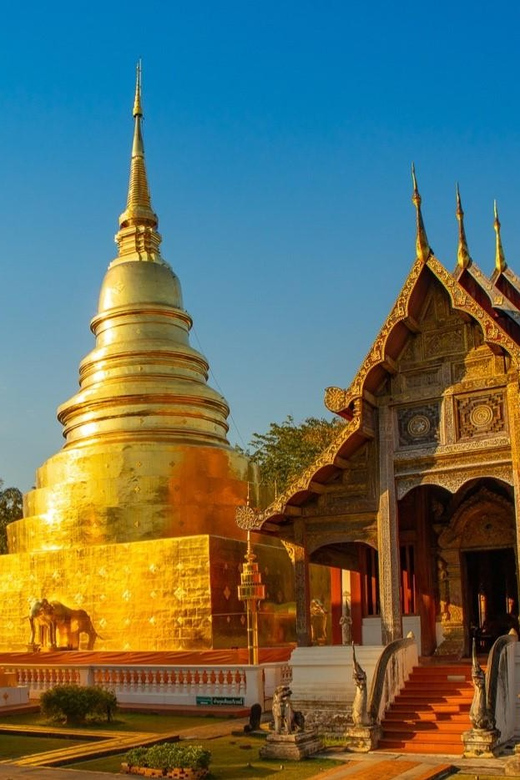
You then head to Wat Phra Singh. This is another major temple stop, and the guide explains its significance across different historical periods. What I like about this part is that it keeps your attention on “why this temple matters,” not just “where it is.”
Wat Phra Singh is the kind of place where details reward patience. The architecture and sacred layout help you understand how Lanna religious identity took shape through time. When you’ve already heard the Lanna timeline at Tha Pae Gate, you can recognize how each era likely influenced what you’re seeing.
After the temple, you get a break at a local café. You’ll enjoy Chiang Mai’s signature coffee and a refreshment in a relaxed setting. This pause matters because the tour is still active, and you’ll want a mental reset without losing momentum.
Important practical note: lunch and other meals are not included. That café break is coffee and refreshments, not a full meal plan. If you’re someone who needs a sit-down lunch to avoid getting cranky, plan to eat afterward on your own.
The old city's temples, covered on foot
- Chiang Mai: 3 Hour Old City and Temples Guided Walking Tour
★ 4.6 · 1,568 reviews - Chiang Mai: Temple And City Walking Tour Part I
★ 4.7 · 244 reviews - Chiang Mai: Local Food and Markets Guided Walking Tour
★ 4.3 · 175 reviews
Wat Pan Tao and traditional Lanna architecture tied to royal space
Next is Wat Pan Tao, highlighted as an excellent example of traditional Lanna architecture. The guide also connects it to its origins as part of the old royal palace area.
Even with only a short visit time here, this stop helps you spot the tour’s theme: architecture as evidence. When you connect a building to royal life and traditional style, you start seeing the logic behind design choices. It stops feeling random.
Also, because this is a temple walk day, you’ll be moving between places that have different levels of access and different rules. Respect matters. The tour asks you to dress appropriately for Buddhist temples, and you should follow that cue closely.
Quick reminder from the “know before you go” rules: short skirts are not allowed. Bring layers if you get cold or if you’re traveling at a time when temple areas are hot and bright.
Wat Chedi Luang to close, with the city’s enduring symbol
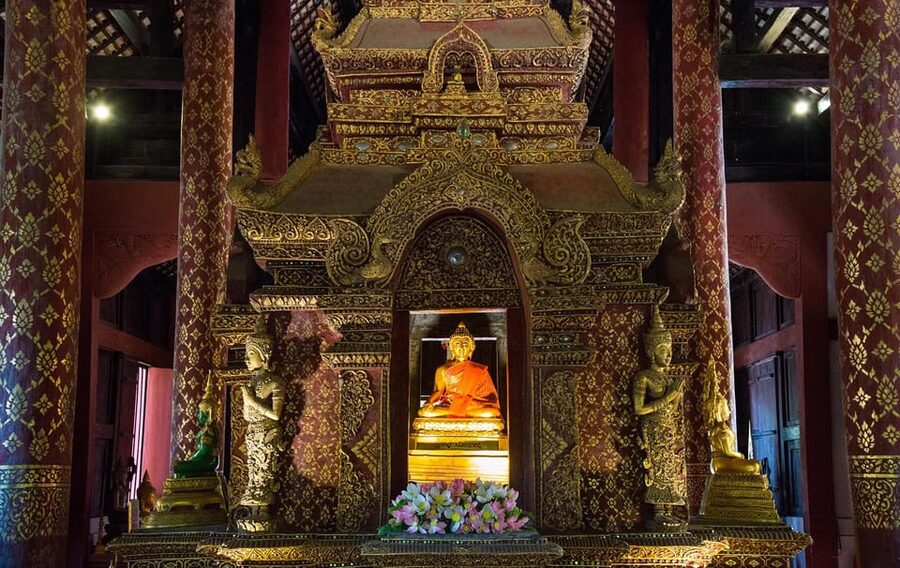
Your tour ends at Wat Chedi Luang, one of the most iconic symbols of Chiang Mai’s heritage. The guide explains historical events linked to the temple, giving you a final “wrap it all together” moment.
This closing stop is helpful because earlier you learned the political and economic storyline, then you translated it into specific places. By the time you stand in front of Wat Chedi Luang, you can see how different threads connect: monarchy, religion, identity, and how the city keeps telling its story through sacred space.
It’s a strong ending if your goal is to understand Chiang Mai beyond a checklist. You leave with a clearer sense of what shaped the city and why these particular monuments keep showing up in the Lanna narrative.
Price and value for a 4-hour guided walking tour at $45
At $45 per person for a four-hour tour, the value depends on what you compare against. For this price, you get a lot of the usual extras bundled in: entry fees, a bottle of drinking water, local snacks, and a complimentary coffee or other drink at a local café. You also get two-way hotel transfer, which can be a deal-maker in a city where getting across town efficiently matters.
The real value is the structure. You’re not just paying for walking and photos. You’re paying for an English guide who explains context you’d miss if you tried to self-tour, especially the Lanna Kingdom story and how it links to each stop.
Possible drawback on value: meals are not included. If you’re hungry and want a proper lunch covered, you’ll need to budget for food after the tour. Also, the tour is not designed as a slow, casual stroll. It’s built for learning and moving.
That said, if you’re the type who likes history you can point to, this pricing works.
Practical tips that make the day smoother
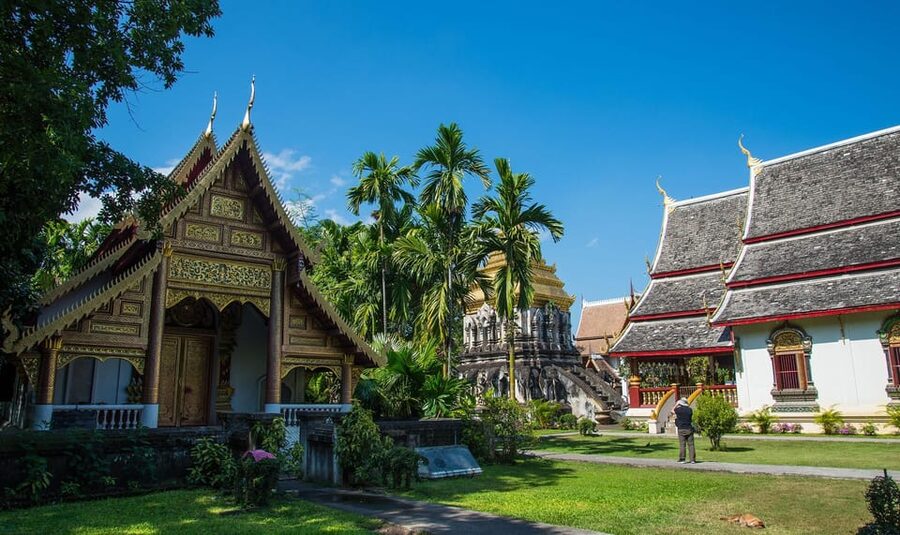
A few things will make your experience more comfortable and respectful.
- Wear sports shoes. Temple paths and market areas can be uneven.
- Dress for Buddhist sites. No short skirts, and keep your clothing respectful.
- Bring water. You’ll receive a bottle, but you’ll still want to take small sips during the walk.
- Keep your energy steady. Snacks and fruit help, but this is still a half-day with no included lunch.
You should also know what’s not allowed: alcohol and drugs are not permitted.
And since you’re in a temple-heavy route, plan to move at a steady pace. This is not ideal for small kids. It’s also not ideal for people over 80 because mobility and stamina are part of the experience.
Who should book the Lanna Heritage Walking Tour
I’d point you to this tour if you want a guided walk that connects the Lanna Kingdom story to real buildings, monuments, and city layout. It’s a good choice if you enjoy architecture, temple art, and political history that is explained with visible clues instead of textbooks.
It’s also a strong pick if you like asking questions. One review called out how Richard was open to lots of questions and genuinely kind, which matters if you want more than a scripted script.
And because it’s a private group, you’ll usually get a better back-and-forth than a large group tour. One person shared that they were the only guest and got extra attention, which is a nice reminder that your group size can improve your experience.
If you hate walking or you need a guaranteed full meal during the tour, pick another option or be ready to eat right after.
Should you book this tour or not?
Book it if you want a focused four-hour route that mixes temples, a market snack session, and clear storytelling from the Lanna era through later chapters like teak industry and World War II. The price makes sense when you factor in entry fees, transfers, water, snacks, and coffee.
Skip it or choose something else if you need long meal breaks, have mobility limits, or plan to visit in a way that ignores temple dress expectations. This walk works best when you show up ready for gentle effort, good manners, and curiosity.
If that sounds like you, this is a solid way to see Chiang Mai with context, not just scenery.
FAQ
How long is the Lanna Heritage Walking Tour?
The tour lasts about 4 hours.
Where does the tour start, and do you pick up from hotels?
The meeting point is Tha Pae Gate, and pickup from your hotel is also available.
Is the tour price $45 per person, and what does it include?
The price is $45 per person. It includes a local English guide, entry fees, a bottle of drinking water, a complimentary coffee or other drink at a local café, local snacks, and two-way hotel transfer.
Are meals included during the tour?
Lunch and other meals are not included, though you will have local snacks and a café drink during the tour.
What should I bring and how should I dress?
Bring sports shoes. Dress appropriately for Buddhist temples, and short skirts are not allowed.
Is the tour suitable for children or older adults?
It is not suitable for children under 8 years, and it is not suitable for people over 80 years.
Fresh listings for Chiang Mai
- Skydive Chiang Mai★ 5.0 · 1 review
- One day hiking tour in Chaing Mai★ 5.0 · 1 review
- One Day Non Tourist Trek 100% Guarantee★ 5.0 · 1 review
- Chiang Mai to Chiang Rai (Private 3 day Tour)★ 5.0 · 1 review
- San Kamphaeng Hot Springs and Thai Handicraft Tour from Chiang Mai★ 5.0 · 1 review
- Half day Doi Suthep Temple & Mae Ping River cruise (Private)★ 5.0 · 1 review
Walking Tours, compared.
3 Hour Old City and Temples Guided Walking Tour
Read our review →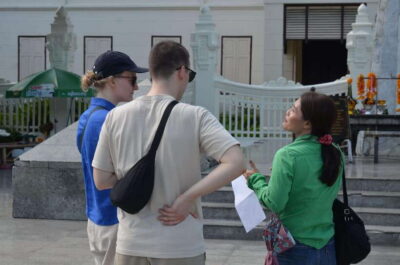
Chiang Mai Untouched Elephant: Nature Walk & Waterfall Trek
Read our review →
Ex-monk city & temples walking tour: (3.5 hours / 1.7 km.)
Read our review →
Browse the lists this tour appears in