
Reviewed · CYCLING TOURS
Siam Overland: Discover Ancient Thailand by Bike
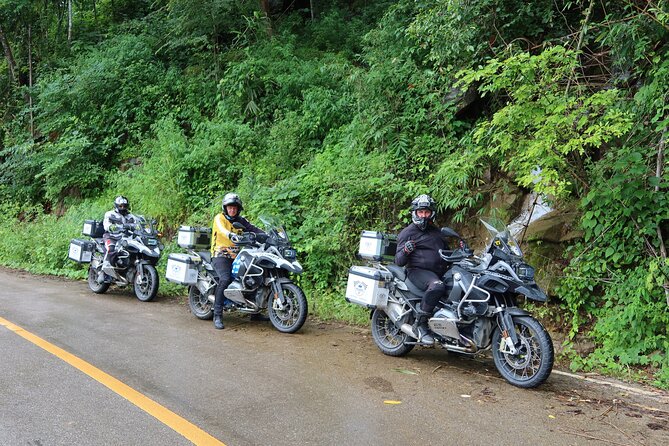
Corner confidence matters here. Northern Thailand by motorcycle is the point, and this 8-day ride strings together mountain roads, border-country routes, and classic historic sites, all with a guide you can hear through Bluetooth helmets. I like that the tour is built around riding time, not just sightseeing, and I also like that the package covers the heavy stuff up front, gear, hotels, meals, and entrance fees.
One thing to consider before you commit: this is for experienced riders and you will be handling lots of curves and long days, with real traffic at times. If you are not comfortable with sharp turns, tight bends, and mixed road conditions, this trip can feel more demanding than you want.
In This Review
- Key things I’d underline before you ride
- Price and bike logistics: what you pay for, and what you get
- Riding style and daily pace: 250 to 350 km days with real support
- Day 1 in Chiang Mai: an extra night to reset before the engines roar
- Day 2 to Mae Sariang via Doi Inthanon: first big mountains, waterfalls, and viewpoints
- Day 3 to Mae Sot along the Moei River: border-country roads and Karen village stops
- Day 4 to Sukhothai: from western frontier roads to Siam’s first capital
- Day 5 in Sukhothai Historical Park: a full temple day, not a rushed hit
- Day 6 to Nan: a 255 km riding day plus bridges and temples
- Day 7 to Phayao: Doi Phu Nang forest riding and lake-town time
- Day 8 back to Chiang Mai: misty lake morning and a coffee plantation stop
- Included value check: gear, hotels, meals, and entrance fees
- Who this tour suits best, and who should rethink it
- Should you book Siam Overland: Discover Ancient Thailand by Bike?
- FAQ
- Do I need an international driving licence?
- Where does the tour start and end?
- What time does the tour start?
- What is included in the package?
- What insurance is not included?
- How long and how far do you ride each day?
- What happens if the tour is canceled due to weather or low travelers?
Key things I’d underline before you ride
- Bluetooth helmet communication with your guide, so you stay on the plan without constant stopping
- Daily ride targets of about 250 to 350 km, which means real touring miles every day
- Chase vehicle support and a spare motorcycle, which reduces the stress if something goes wrong
- Newer bikes and full protective gear included, including helmets, boots, jackets, gloves, and riding pants
- Ancient-site pacing built in, including a full day at Sukhothai Historical Park rather than a quick walk-through
Price and bike logistics: what you pay for, and what you get
At $2,768.80 per person, this is not a budget “try motorcycling” vacation. You are paying for a structured, guided ride with a full support system: motorcycles, protective gear, daily meals, hotel nights, gas, entrance fees, and a chase vehicle with a spare bike. When you add those costs up on your own, the price becomes more understandable, especially if you want a smooth experience without hunting down logistics.
Your motorcycle choice is part of the value. You get to ride one of three powerful options, including BMW and Versys. In one piece of feedback shared after booking, the operator noted the motorcycles were 2022 models, not older bikes. That matters, because bike condition and brakes and tires affect how confident you feel when the road gets twisty.
Still, look closely at insurance items. The tour lists third party liability insurance for the motorcycles, but it also notes that CDW (collision damage waiver) is not included. They also list motorcycle health insurance as an extra cost ($3 per day). If you are the type who sleeps better with more coverage, you will want to plan for that decision early.
Riding style and daily pace: 250 to 350 km days with real support
This is a big-mile motorcycle route. The average riding distance is listed as 250 to 350 kilometers per day, and the plan runs for 8 days. On paper, that can sound manageable. In practice, it means you will spend most of each day in the saddle, and the road will keep asking for attention, especially on winding mountain sections.
The most practical reassurance is the chase vehicle. It travels with the group and carries a spare motorcycle, plus the tour provides gas and handles entrances. That support changes your mental game. You can focus on the road and the scenery and not on detours, directions, or what happens if something minor turns into a problem.
Communication is another big deal. You ride with Bluetooth helmets and communicate with your guide rather than relying on hand signals. That is especially helpful on days with multiple stops, viewpoints, and route changes due to weather or road works.
One more note that helps you choose your comfort level: your group size is capped at up to 15 travelers. A smaller group usually means less chaos at stops and more breathing room when you pause for photos.
A few more ways to fill a day here
- 3hr ATV/ Quad biking adventure in Chiang Mai★ 5.0 · 289 reviews
- Chiang Mai: Historic Old City Bike Tour – Morning or Night★ 4.7 · 263 reviews
- Chiang mai Hike & Downhill Bike Adventure –Suthep National Park★ 4.5 · 204 reviews
- Chiang Mai: Historic Old City Bike Tour – Morning or Night★ 5.0 · 202 reviews
Day 1 in Chiang Mai: an extra night to reset before the engines roar
Day 1 is built around the reality that you may arrive from far away. Instead of throwing you straight onto the bike, the plan includes a night in Chiang Mai for meeting the tour guide and check-in. That helps you adjust to Thai time, get your documents sorted, and fit into the riding routine without rushing.
You also get your first day’s setup moment in a relaxed way. Since all the protective gear is included, you will likely spend some time confirming helmet fit, gloves, boots, and jacket or pants sizes. If your gear sizing is tricky, the operator notes it is preferable to bring any special-size protective clothing with you.
Start time for the ride is 8:00 am, and the meeting point is Somphot Chiang Mai, 700 Pi Road. The tour ends back at the same meeting point, so you are not left scrambling at the end of the trip.
Day 2 to Mae Sariang via Doi Inthanon: first big mountains, waterfalls, and viewpoints
On Day 2, you leave Chiang Mai and ride into northern Thailand’s higher ground, with the route taking you through Doi Inthanon National Park. This is where the driving gets more fun in a very specific way: curves, scenic passes, and frequent places to stop for views.
You will see a mix of road types, from smoother highways to winding mountain sections. The day also includes breaks at scenic viewpoints and waterfalls, giving you that satisfying rhythm of ride, stop, stretch, then ride again.
Mae Sariang is where you sleep on this day. It’s described as a riverside town with a laid-back feel, which makes a good contrast after a mountain-heavy ride. If you like your evenings quiet and restorative, this is a smart choice.
Add a day trip while you're up north:
- Half-Day Thai Cooking Class at Organic Farm in Chiang Mai
★ 5.0 · 19,087 reviews - Chiang Mai: Elephant Sanctuary, Waterfall & Bamboo Rafting
★ 4.9 · 9,160 reviews - Chiang Mai: Doi Inthanon National Park Eco-Friendly Tour
★ 4.6 · 6,667 reviews
Day 3 to Mae Sot along the Moei River: border-country roads and Karen village stops
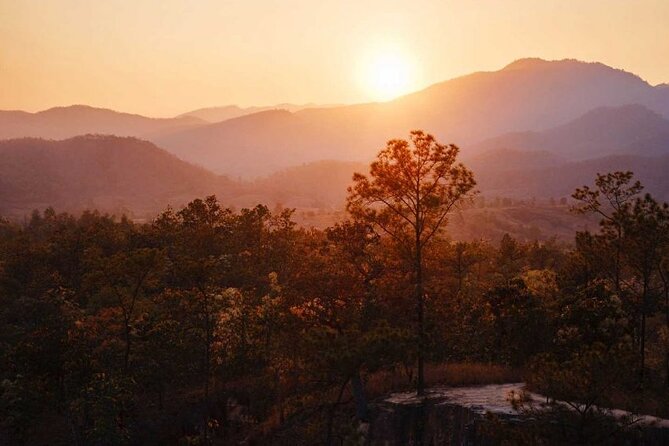
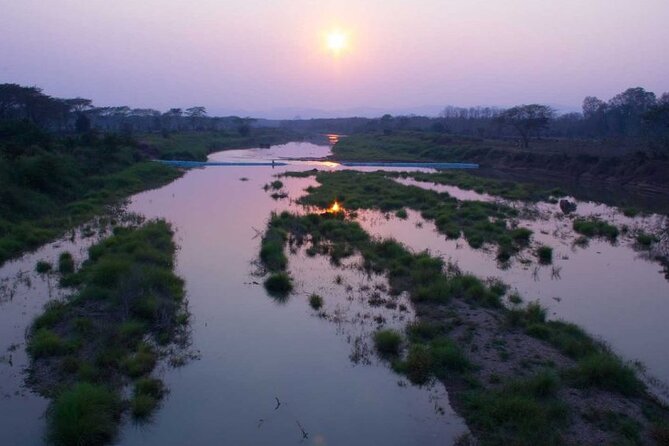
Day 3 leans hard into remote riding. You start from Mae Sariang and head deeper along winding roads through dense forest and along the Moei River, which marks the border with Myanmar.
This is also where the trip adds cultural route texture. The plan includes stops around Karen villages, plus temple visits and scenic viewpoints. That combination is a good way to avoid a ride that feels like it is only about distance. You get a sense of place beyond the highway.
By late afternoon, you reach Mae Sot, a border town with a Thai and Burmese influence. This is one of those places where you can feel the region’s cross-border history just by walking around after dinner, even though the day’s main focus remains the ride.
Day 4 to Sukhothai: from western frontier roads to Siam’s first capital
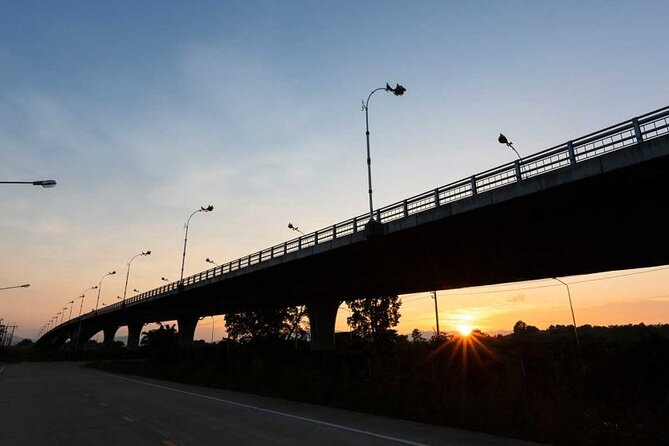
Day 4 changes the scenery and the mental pace. You ride eastward from the borderlands toward Sukhothai, described as the first capital of Siam. The route shifts from dense jungle and border-country terrain into rice paddies, rural villages, and wide-open stretches.
You will also get small cultural breaks like stops at local markets and roadside cafés. These breaks matter because they keep your energy stable for the late-day arrival. When the day includes heavy riding, small pauses beat long, unplanned waits.
By late afternoon you arrive in Sukhothai and step into a place built for walking slowly. The trip then uses Day 5 for the deeper temple time, which is a smart way to pace the historic part instead of stuffing it into the arrival day.
Day 5 in Sukhothai Historical Park: a full temple day, not a rushed hit
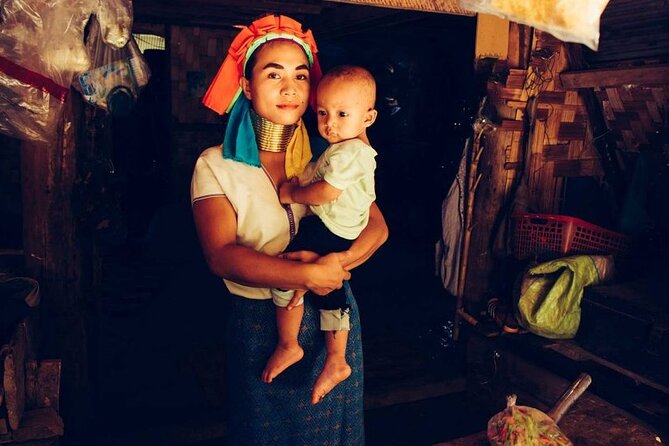
Day 5 is the historic payoff. Instead of riding, you explore the UNESCO-listed Sukhothai Historical Park with a slower pace built in. This is the day for the big names and the sense of stepping into an older era.
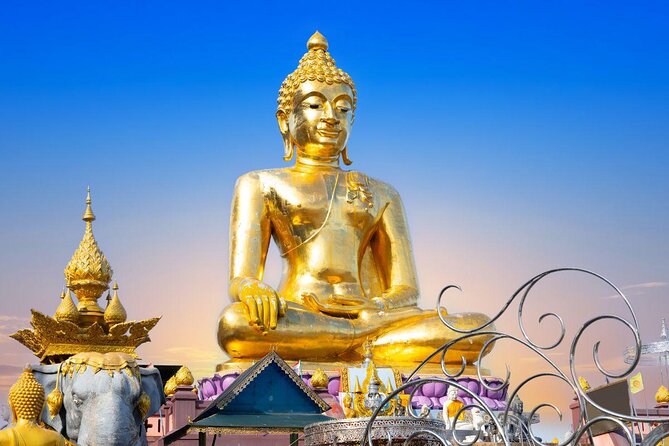
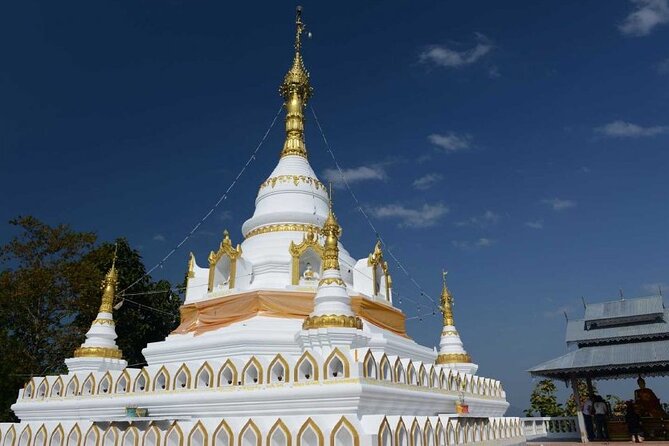
You visit major sites within the park, including Wat Mahathat, Wat Si Chum, and Wat Sa Si. The tour also highlights Buddhas and ancient ruins, with lotus-filled ponds and crumbling pagodas creating a calm atmosphere that works after several hard riding days.
If you like travel that balances motion and stillness, this day is a relief valve. It also gives your body time to recover from the constant vibration and cornering.
Day 6 to Nan: a 255 km riding day plus bridges and temples
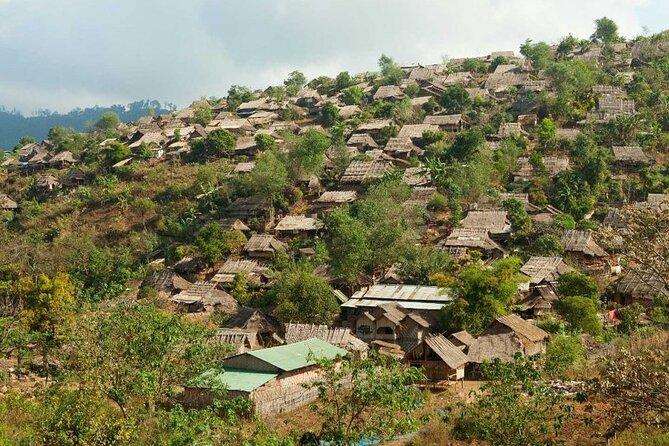
Day 6 brings another long riding block, about 255 km south to Nan. The road is described as challenging in a fun way, with tight loops and bends. This is where rider confidence starts to feel like a requirement rather than a preference.
Once you get into Nan, you get more than just a hotel and a dinner plan. The tour notes three bridges connecting the right bank to the left bank of the river Nan, along with temples throughout the city. That combination is why Nan works well as an overnight stop. You can do evening walking without needing another vehicle plan.
After hotel dinner, you have time to explore the city. The structure is helpful: you arrive, you eat, then you see the place at human speed.
Day 7 to Phayao: Doi Phu Nang forest riding and lake-town time
Day 7 starts with Doi Phu Nang National Park driving, taking you inland toward Phayao. The day’s riding is described as a blend of forested hills and winding roads, with river crossings over the Yom River.
The itinerary also includes a specific cultural stop: Wat Tha Fah Tai, with a large wooden Buddha image standing over two meters high. You do not need a lot of context to appreciate that kind of landmark, and a stop like this breaks up the physical repetition of riding days.
In the late afternoon you reach Phayao City, with time to explore before dinner. The tour mentions markets, boutique shops, and optional activities like riding the tram or walking along the lake. Phayao gives you something different from the mountain towns, a more leisurely vibe that helps you end the trip without feeling like you are rushing through every evening.
Day 8 back to Chiang Mai: misty lake morning and a coffee plantation stop
On Day 8, the trip returns to Chiang Mai with a mix of calm and final curve time. The morning ride is along Phayao Lake, described as serene with mist rising over the water. Even if you are focused on your line through corners, you will notice how a flat, lake-adjacent morning feels compared with high passes.
Then you head south as open highways transition into winding mountain roads again. The day is built as a final scenic stretch through teak forests, rolling hills, and traditional villages.
A stop at a local coffee plantation gives you a grounded, reflective pause. It is a nice way to collect the trip’s stories, especially if you have been thinking about one amazing section of road or one temple photo you still want to frame.
By afternoon you ride back into Chiang Mai and the tour ends back at the meeting point. The last day is also where that “support system” feeling pays off, because you are not solving your own navigation while tired.
Included value check: gear, hotels, meals, and entrance fees
This tour is strongest where it removes decision fatigue. You get all riding gear including Bluetooth helmets, gloves, jackets, pants, and boots. You also get the motorcycle, gas, and entrance fees for historic sites and national parks.
Meals are listed with totals: 7 breakfasts, 7 lunches, and 8 dinners. That coverage matters on long ride days, because you avoid the risk of spending your energy and money on random food stops that do not work out.
Accommodation is included as well, with hotel nights on the route. That is a big piece of “value” for riders because you avoid the hardest part of planning, matching hotels to a route and a daily riding time window.
The big things not included are also clear: CDW, alcohol, personal expenses, snacks during coffee stops, tips suggested for guides and support drivers, and visa and airfare.
One practical suggestion: if you plan to buy the motorcycle health insurance add-on or CDW, decide early so you are not making that call mid-trip. This tour runs on schedule and long riding days.
Who this tour suits best, and who should rethink it
This is a great fit if you want a guided big-bike route with structure and support, and you are comfortable riding with a group. The tour is limited to up to 15 travelers, and the pace is set around consistent daily kilometers.
It is also a strong fit if you value the mix of riding and history. You get major riding days into Mae Sariang and Mae Sot, then a historic pivot with Sukhothai and later Nan and Phayao. The full temple day at Sukhothai is a good sign for anyone who dislikes “temple, then back to the bike, next.”
This is likely not the best match if you are new to big bikes, not confident in heavy cornering, or easily stressed by traffic. One review also pointed out that weaving around copious traffic can be a challenge, so bring that reality into your self-check.
If you are traveling with a pillion rider or want to bring a passenger, the operator notes you should book the child option and share details with them.
Should you book Siam Overland: Discover Ancient Thailand by Bike?
If you are an experienced rider looking for an organized way to cover northern Thailand with daily support, this is an easy yes. The strongest reasons are the package structure (gear, bike, hotels, meals, entrances), the communication system (Bluetooth helmets), and the fact that there is a real ride-and-rest rhythm, including a full day for Sukhothai Historical Park.
But book with eyes open. You are paying for long days. Expect 250 to 350 km riding and a route heavy on bends and passes. If you do not love that style, or if you are worried about handling traffic and corners, you will probably be happier choosing a gentler tour.
If you do book, do one last prep check before you go: confirm you have the international driving licence requirement if you do not already, and make sure your protective gear fit is sorted. With that done, you will be set up to enjoy both the roads and the ancient stops.
FAQ
Do I need an international driving licence?
Yes. The tour information states that an international driving licence is required, and you should contact them if you don’t have one.
Where does the tour start and end?
It starts at Somphot Chiang Mai, 700 Pi Road and ends back at the same meeting point.
What time does the tour start?
The listed start time is 8:00 am.
What is included in the package?
The tour includes riding gear (Bluetooth helmets, gloves, jackets, pants, boots), the motorcycle, gas, entrance fees, a tour guide, breakfast, lunch, and dinner (7 breakfasts, 7 lunches, 8 dinners), hotel accommodation, and a chase vehicle with a spare motorcycle. It also includes third party liability insurance for the motorcycles.
What insurance is not included?
The information lists motorcycle health insurance as an extra ($3/day), and it also notes that CDW (collision damage waiver) is not included.
How long and how far do you ride each day?
The trip is about 8 days, and the average daily ride distance is 250 to 350 kilometers (listed as about 250 to 220 miles, depending on the reference).
What happens if the tour is canceled due to weather or low travelers?
The tour requires good weather and a minimum number of travelers. If it is canceled for poor weather, you are offered a different date or a full refund. If it is canceled because the minimum isn’t met, you get a different date or a full refund.
Fresh listings for Chiang Mai
- Skydive Chiang Mai★ 5.0 · 1 review
- One day hiking tour in Chaing Mai★ 5.0 · 1 review
- One Day Non Tourist Trek 100% Guarantee★ 5.0 · 1 review
- Chiang Mai to Chiang Rai (Private 3 day Tour)★ 5.0 · 1 review
- San Kamphaeng Hot Springs and Thai Handicraft Tour from Chiang Mai★ 5.0 · 1 review
- Half day Doi Suthep Temple & Mae Ping River cruise (Private)★ 5.0 · 1 review
Cycling Tours, compared.
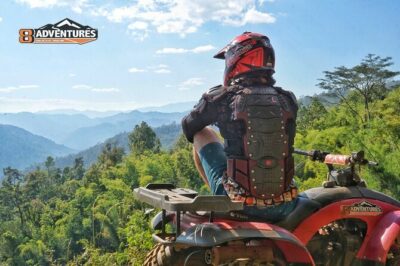
3hr ATV/ Quad biking adventure in Chiang Mai
Read our review →
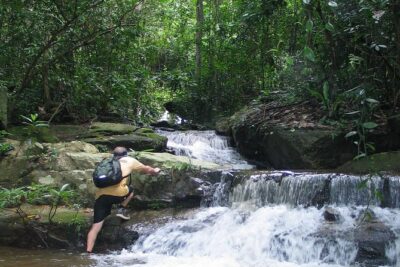
Chiang mai Hike & Downhill Bike Adventure –Suthep National Park
Read our review →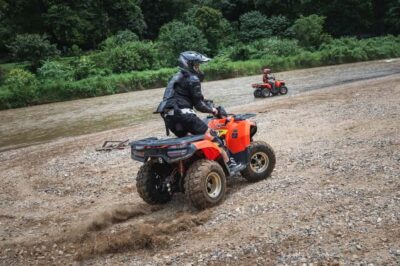

Suthep National Park Hiking & DH Mountain Biking
Read our review →Browse the lists this tour appears in