
Reviewed · HILL TRIBE TOURS
Chiang Mai: 2-Days Jungle Trek, Waterfalls and Karen Village
Jungle mornings in Chiang Mai hit different. This 2-day trek mixes waterfall swims with a White Karen village overnight, all while walking through Mae Win and Mae Wang jungle and farmland. The one catch: it is a real hike, and winter nights in the Mae Win area can feel quite cold.
You start early from your hotel, join a small group (up to 13), and spend two days moving at a steady outdoor pace with breaks for swimming, fruit, and explanations. If you want nature time that is more than a quick scenic loop, this is one of the better bets near Chiang Mai.
In This Review
- Key things that make this trek worth your time
- Getting to the trail: morning pickup and the market stop
- Day 1 through Karen farmlands into Mae Win jungle
- What you’ll like on day 1
- One day 1 reality check
- White Karen overnight: cottage life, food, and campfire night
- Accommodation expectations (so you are not surprised)
- Day 2 in Mae Wang jungle: monkeys, gibbons, and the second waterfall
- Fitness, footwear, and how “strenuous” really feels here
- What to wear and bring for your feet
- Waterfalls, cold nights, and a packing list that actually helps
- Price and value: what $96 covers in real terms
- Eco-tourism focus and community interaction, done in a practical way
- Who should book, and who should skip this trek
- Should you book this Chiang Mai jungle trek?
- FAQ
- What is the duration of the Chiang Mai jungle trek?
- Where does the trekking take place?
- How large is the group?
- Is pickup from my hotel included?
- What meals and accommodation are included?
- Do I need to bring swimwear?
- What should I pack for cold weather?
- What shoes should I bring?
- Who is this tour not suitable for?
- What is the cancellation policy?
Key things that make this trek worth your time
- Small group, steady pace: up to 13 people, guided in English, with time to rest and regroup.
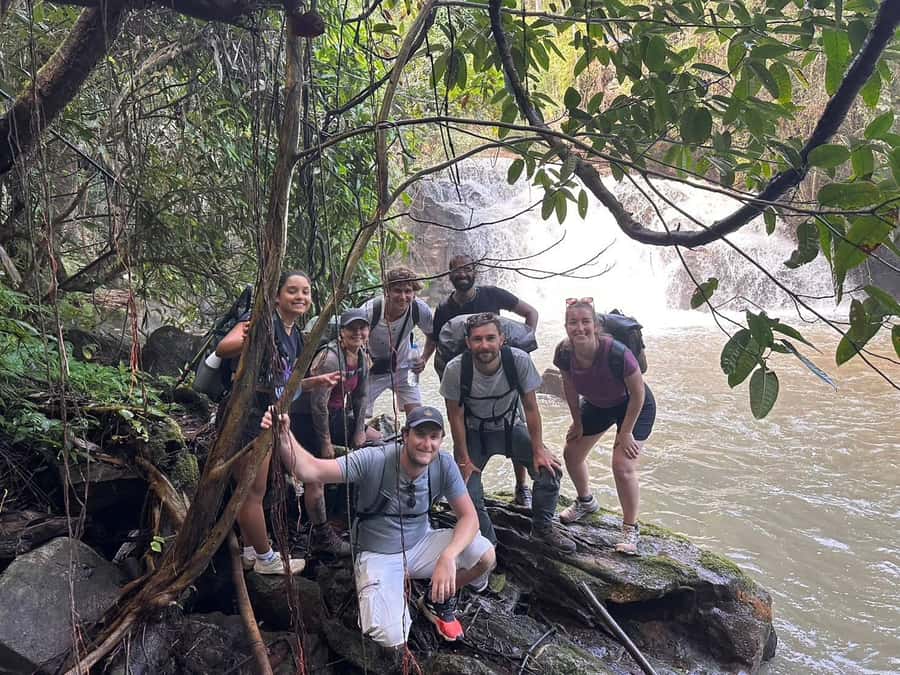
- Jungle plus farmlands: you walk from White Karen farm areas into Mae Win jungle, then Mae Wang on day 2.
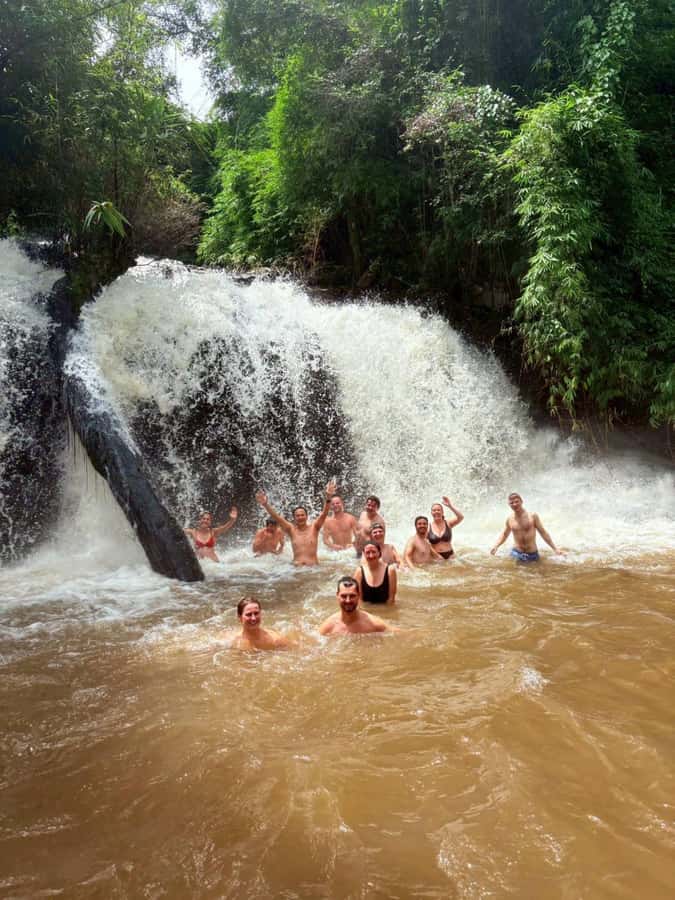
- Two waterfall moments: lunch stops at one waterfall on day 1 and a second waterfall swim on day 2.
- A real overnight in a Karen village: cottage stay, simple facilities, and village evening activities by the fire.
- Campfire stories and stargazing: evenings include dinner help, herb talk, and night-time group bonding.
- Pack smart for cold and wet: winter can be chilly at night, and trails can get muddy when it rains.
Getting to the trail: morning pickup and the market stop
This tour starts with a morning pickup that respects where you’re staying. If your hotel is inside the old city walls, expect pickup around 7:00 to 7:30 AM. If you’re outside the old city walls, it’s 7:30 to 8:00 AM. If pickup is delayed beyond the listed window, you’ll need to call. If you’re outside the pickup zone, you meet at a designated spot like Wat Phra Singh or Maya Shopping Center.
From your pickup, you drive about 45 minutes to a local market. This is not just a formality. It’s your chance to grab coffee, top up snacks, and buy any small personal items you forgot. You then continue roughly 20 minutes to the trekking starting point near the White Karen area.
Two details matter here for your comfort. First, you’ll want to eat something before you start hiking. Second, this is an early start, so pack your day bag the night before, especially if you’re bringing extra layers for later.
Day 1 through Karen farmlands into Mae Win jungle
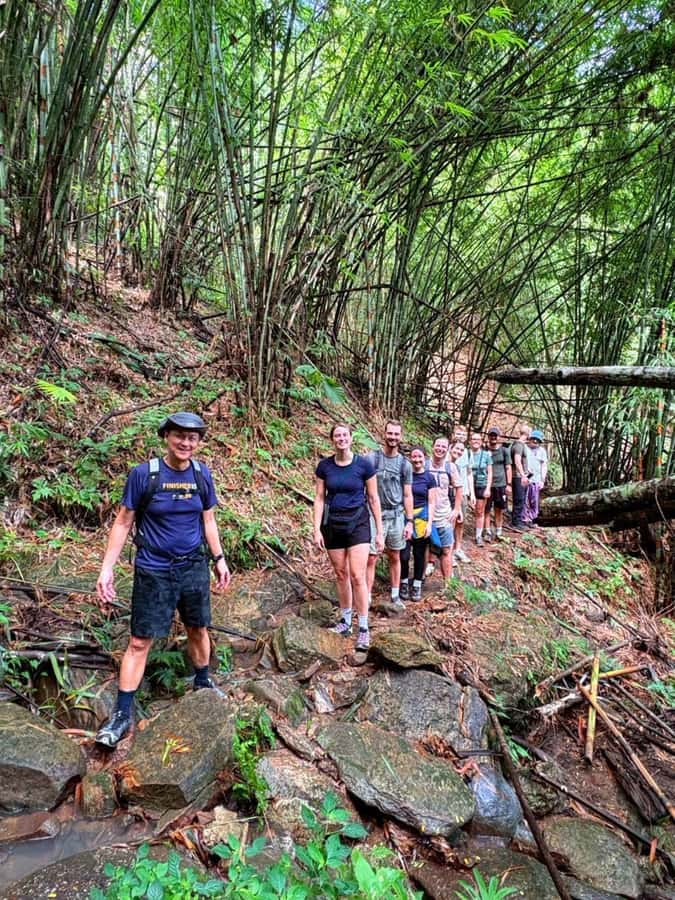
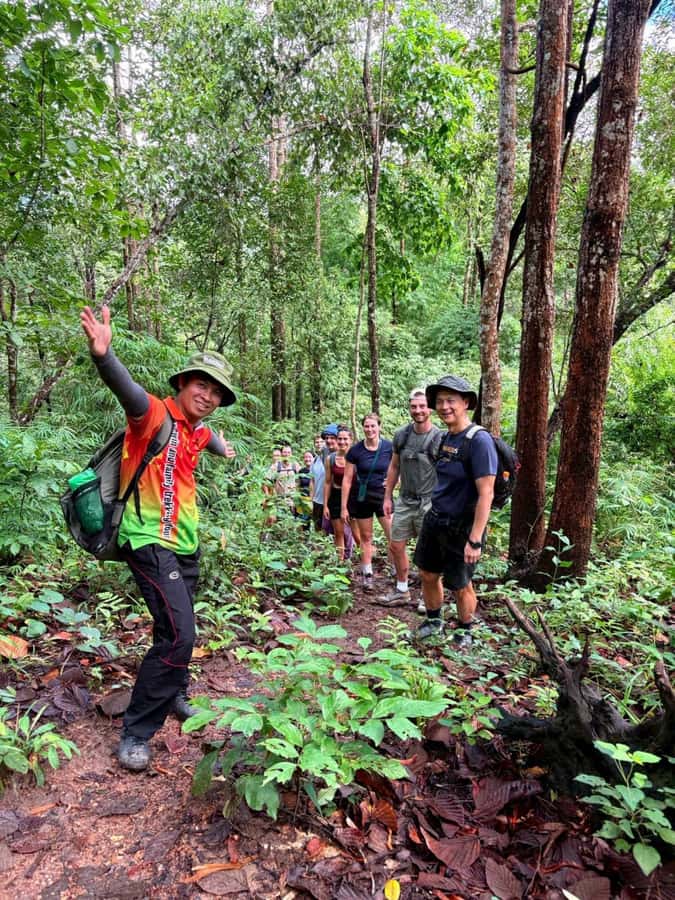
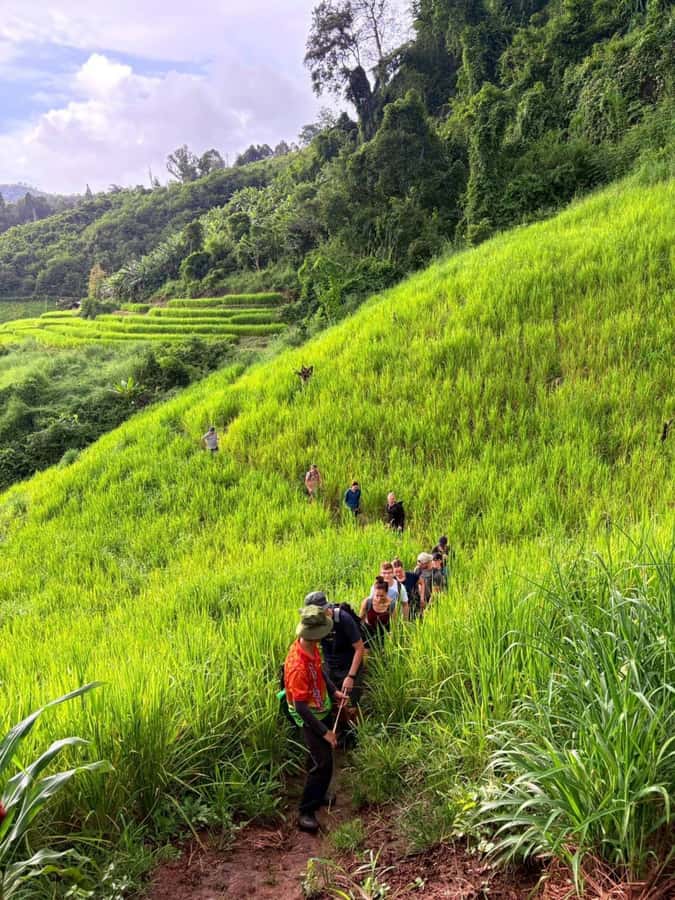
Day 1 begins with a short briefing at the trekking starting point. Then you start walking and the scenery shift is the point of the day. You pass through White Karen farmlands, then move into the Mae Win jungle.
Plan on about 5 to 6 hours of trekking total on day 1, though it flexes with weather and the group pace. You will not do this by sprinting. The tour is built around breaks, swimming stops, and time to absorb what the guide points out along the way.
A key moment comes at the waterfall lunch stop. You hike, you pause, and then you get to reset at the water. Depending on conditions, this is where the day feels like a holiday instead of just exercise.
By late day, you continue to the White Karen Tribe Cottage, where you stay overnight. Expect simple, village-style accommodation that fits the trip purpose: you’re not paying for a resort. You’re paying to be part of a rural rhythm for one night.
Villages in the hills, still practicing old crafts
- Chiang Mai: Chiang Rai Temples, Karen Tribe and Hot Springs★ 4.7 · 5,401 reviews
- Thai and Akha Cooking Class in Chiang Mai★ 5.0 · 4,358 reviews
- Chiang Mai: Elephant Sanctuary, Long Neck & Sticky Waterfall★ 4.9 · 2,262 reviews
- 4-Hour Doi Suthep & Hmong Hill Tribe Village from Chiang Mai★ 4.7 · 696 reviews
What you’ll like on day 1
- You’re outside for real, not stuck inside a minivan taking photos every ten minutes.
- The farmland-to-jungle transition makes the hike feel more varied.
One day 1 reality check
If it rains, trails can get slick. More than one guide-style account praises the team for keeping the group moving safely, but you should still plan for mud and slippery patches with the right shoes.
Two days, enough time to leave the city
- Chiang Mai: 2-Day Jungle Trek with Elephant Farm & Raft Ride
★ 4.7 · 881 reviews - Chiang Mai 2-Day: Good Morning Elephant & Overnight Homestay
★ 4.9 · 224 reviews - Chiang Mai 2-Day: Trekking, Tubing & Elephant Observation
★ 4.9 · 95 reviews
White Karen overnight: cottage life, food, and campfire night
The overnight is a big part of why this trek feels memorable. You wake to village and jungle sounds, then you have breakfast before moving on to day 2.
Evening at the cottage includes a village-style dinner experience. You may join the guide in preparing dinner, and you’ll get learning time around local herbs and ingredients. This is one of the best ways to understand what you’re seeing during the walk. The guide connects plants and daily life, not just facts for a quiz.
Then comes the campfire portion. Many groups end up spending time around the fire with stories, stargazing, and group fun, with one account mentioning karaoke by the fire. If you’re the type who likes to talk to people from other countries while you’re sitting somewhere quiet and cold, this evening part is often the emotional highlight.
Accommodation expectations (so you are not surprised)
The stay is basic but adequate. Some shared setups can include dorm-style sleeping and simple sanitation. One review mentions shared dorms with bucket-style flush toilets, which is a good clue about the level of comfort to expect. If you need hotel-level privacy, this isn’t that trip. If you want a genuine overnight and you can handle modest facilities, it usually lands well.
Day 2 in Mae Wang jungle: monkeys, gibbons, and the second waterfall
Day 2 starts with breakfast and then you head back out on the trail. This time you trek through the Mae Wang jungle, an area rich in nature and wildlife such as monkeys and gibbons.
Trekking time on day 2 is again flexible based on trail conditions and group pace. The total walking distance tends to be shorter than day 1, but it can still feel intense because the terrain and waterfall stops keep your legs working. Reviews point to roughly 8 to 9 km on day 2, with day 1 often around 12 to 14 km.
You stop at another hill tribe village for lunch and a rest. This gives the second-day balance: you don’t just hike and swim, you also get cultural time in between.
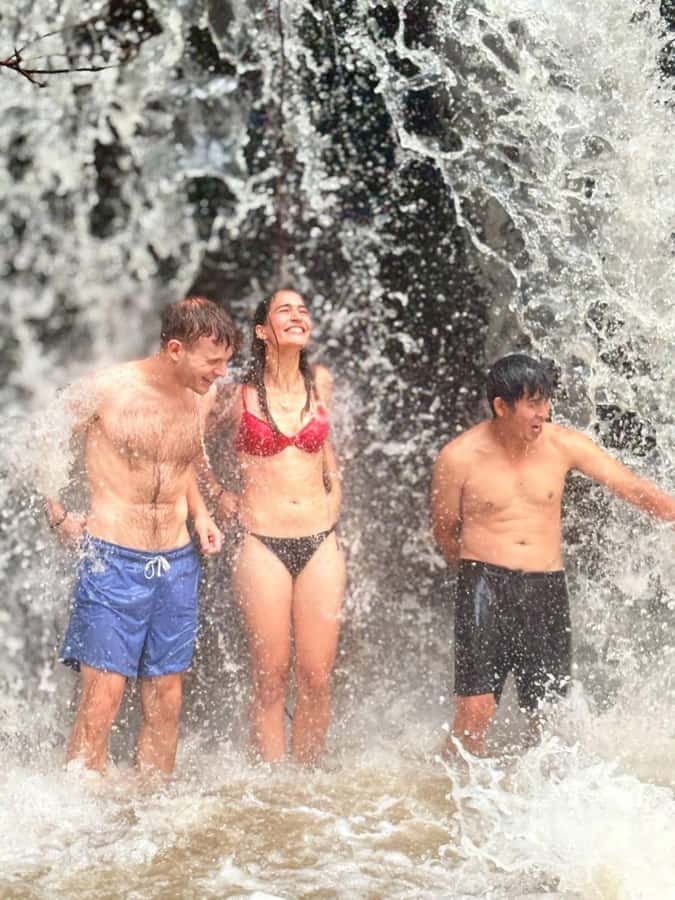
Later, you reach the second waterfall, where you get to relax, refresh, and often swim. This is the moment that turns the word trek into something closer to an outdoor adventure vacation.
After that, you walk back to the truck and drive back to Chiang Mai. Arrival at your hotel is around 6:00 to 6:30 PM, so you still get a full evening in town.
Fitness, footwear, and how “strenuous” really feels here
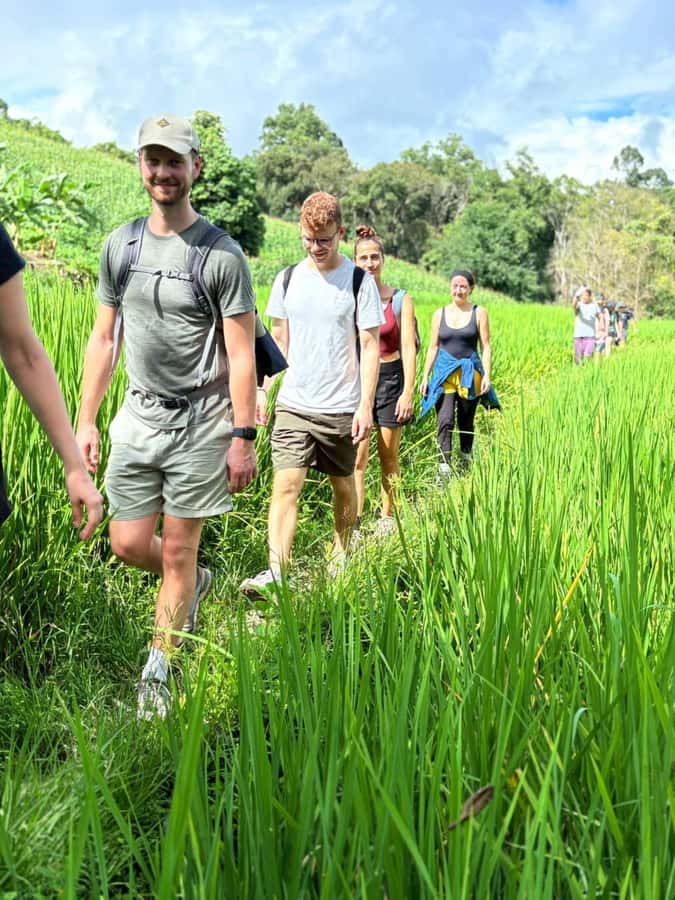
This trek is not for couch-to-trail on zero prep. The distances plus jungle terrain mean you need a baseline fitness level.
From trip accounts, expect:
- about 12 to 14 km on day 1
- about 8 to 9 km on day 2
- plenty of breaks, including swimming and short rest stops
It’s not only about distance. Day 1 and day 2 include uphill climbs and uneven ground. One account calls out that it is not a fast walk and that uphill sections can be challenging. Another notes that a rainy day can add mud and slipperiness. In other words, the trek difficulty is real, even if your pace is controlled by the guide.
What to wear and bring for your feet
You’ll be happiest with shoes that have a solid sole grip. Flip-flops are fine for waterfall time, not for the trekking parts. Bring a daypack for the essentials. If you pack light, you’ll feel less worn out when you climb and descend.
Waterfalls, cold nights, and a packing list that actually helps
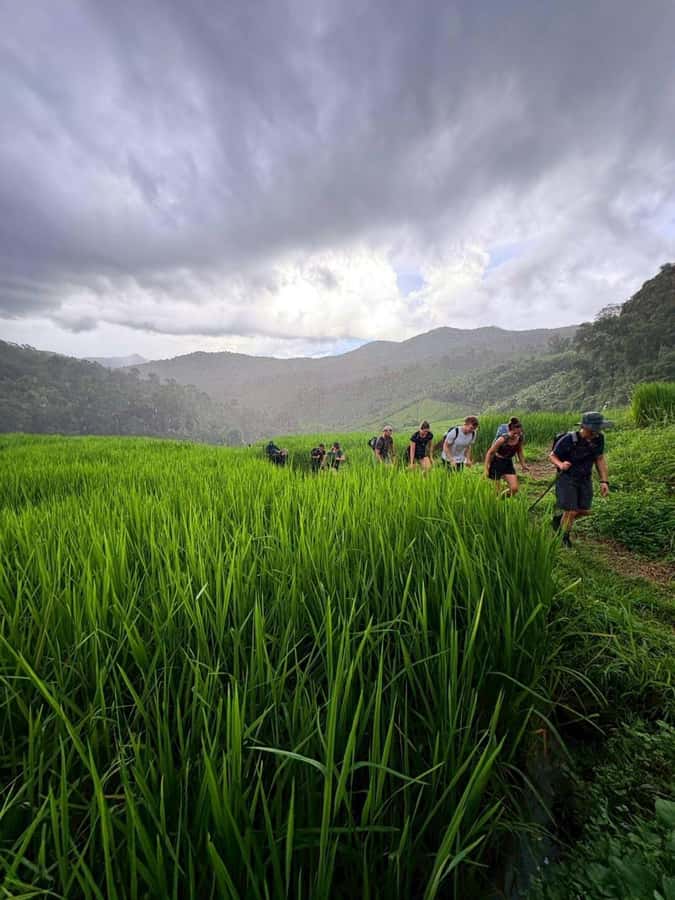
The tour is called a jungle trek, but it’s also a “water time” tour. You’ll have at least two major waterfall breaks, and that means swim gear matters.
Bring:
- Swimwear, plus a towel
- Sunscreen and sunglasses
- A sun hat
- Change of clothes
- Flip-flops for relaxing and water access
- A jacket and warm layers for nights in winter
- A daypack and a power bank
Winter is the big seasonal note. From November to February, it’s winter in northern Thailand, and nights in the Mae Win jungle can be quite cold. You might think Chiang Mai means warm evenings, but once you’re in the jungle area and sleeping in a village setting, temperatures can drop more than you expect.
If you tend to get cold, pack warmer than you think you need. Warm layers matter most for early morning and evening.
Also consider rain. During rainy season, you’ll want a rain jacket, and you should expect slippery conditions. Even if you think you’re “not a rain person,” bringing a light waterproof layer is a smart, low-effort upgrade.
Price and value: what $96 covers in real terms
At $96 per person for 2 days, the price is competitive because it bundles the big cost drivers: transportation, a live English guide, lunch, accommodation, and travel insurance.
Here’s how that feels as value for most budgets:
- You don’t have to organize transport to the Mae Win and Mae Wang areas yourself.
- You get at least two lunch moments plus meals tied to the overnight stay.
- You’re paying for a guide-led experience that includes safety management on trails, plus village connections and explanations.
- Accommodation is included for the overnight cottage stay.
Is it “cheap”? Not exactly. But you’re paying for time outside the city, real movement, and rural community contact for one night. If you were doing this as independent hiking with transport, gear, and an arranged village visit, you’d likely spend similar or more, even before counting the hassle.
Eco-tourism focus and community interaction, done in a practical way
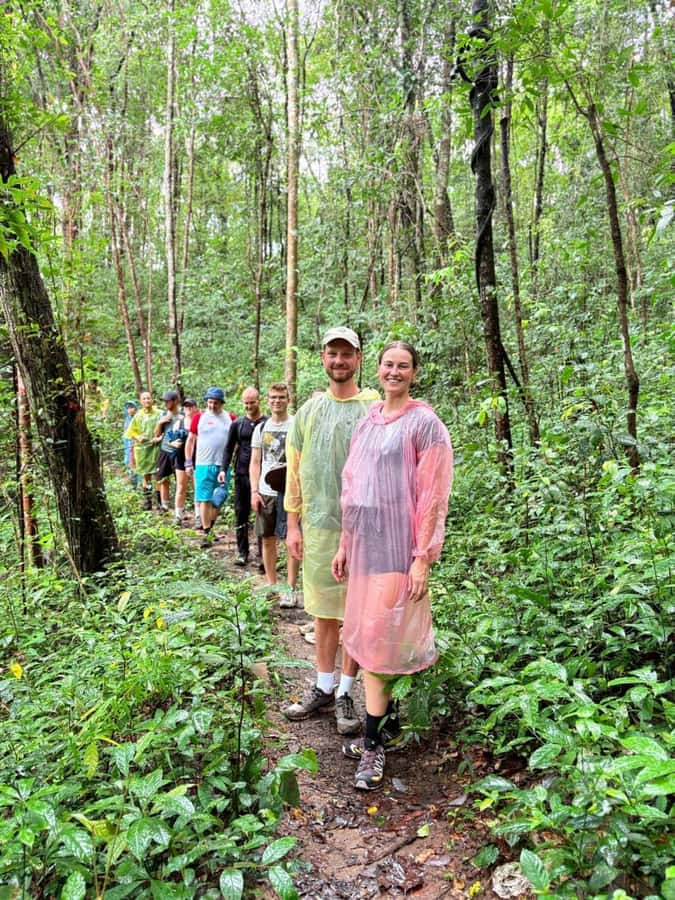
This trek supports local communities and promotes eco-tourism, and you see what that means in how the trip is structured. You’re not just walking through a scenic area. You’re connecting with the White Karen village for the overnight and with hill tribe communities for lunch.
That’s valuable for you because you leave with context. It changes the hike from photo hunting to understanding how people live around the land you’re walking through.
It also matters for sustainability. A good community-based trek keeps tourism income in local systems. At the same time, you should treat the experience respectfully: follow your guide’s pace, keep your impact low, and dress appropriately for village settings.
Who should book, and who should skip this trek
You should book this trek if:
- you like hiking and can handle uphill sections
- you want waterfall time without paying for an extreme adventure company
- you’re curious about rural life and enjoy learning from guides
- you can handle basic overnight accommodation
You should skip it if:
- you’re pregnant
- you use a wheelchair
- you have altitude sickness concerns
- you are over 70 years
Also, if you dislike cold nights or basic facilities, you might be happier with a softer nature day trip. This is outdoorsy and rustic on purpose.
One more practical point: the guides are a standout. Names like Pong, Kong, Jo, Bo Bo, Pat, and Pepe and Nu come up repeatedly for making the hike smoother, faster when needed, and more fun with explanations and group energy. That matters because you feel the difference when the guide manages the day well.
Should you book this Chiang Mai jungle trek?
Book it if you want a two-day outdoor experience that blends jungle walks, Karen farmlands, waterfall swims, and a village overnight. For many people, that campfire night plus stargazing becomes the emotional memory, and the second waterfall is the practical reward.
Don’t book it if you want comfort-first travel or easy walking. This trek requires fitness, good footwear, warm layers for winter nights, and flexibility for rain and mud. If you can check those boxes, you’ll likely feel like you got more than a tour, you got a real couple of days outside Chiang Mai.
FAQ
What is the duration of the Chiang Mai jungle trek?
It runs for 2 days. You’ll start with an early pickup and return to Chiang Mai at about 6:00 to 6:30 PM on day 2.
Where does the trekking take place?
The trek is in Mae Win (Mae Wang), around Chiang Mai Province, moving through jungle and farmland areas linked to Karen communities.
How large is the group?
It’s a small group limited to 13 participants.
Is pickup from my hotel included?
Pickup is included for hotels within certain pickup areas. Pickup time is typically 7:00 to 7:30 AM for hotels inside the old city walls, and 7:30 to 8:00 AM for hotels outside the old city walls. If you are outside the pickup areas, you meet at Wat Phra Singh or Maya Shopping Center.
What meals and accommodation are included?
The tour includes lunch and accommodation for the overnight stay, plus a breakfast the next morning. Dinner is part of the overnight village experience.
Do I need to bring swimwear?
Yes. There are waterfall stops where you can swim and relax, so swimwear, a towel, and change of clothes are recommended.
What should I pack for cold weather?
If you travel November to February, bring warm clothes like a jacket and long pants, because nights in the Mae Win area can be cold.
What shoes should I bring?
Bring comfortable sports shoes and clothing for hiking. For trekking, use sturdy footwear with good grip. Flip-flops are useful for the water breaks.
Who is this tour not suitable for?
It is not suitable for pregnant women, wheelchair users, people with altitude sickness, or people over 70 years.
What is the cancellation policy?
You can cancel up to 24 hours in advance for a full refund.
More Hiking & Trekking in Chiang Mai

Fresh listings for Chiang Mai
- Skydive Chiang Mai★ 5.0 · 1 review
- One day hiking tour in Chaing Mai★ 5.0 · 1 review
- One Day Non Tourist Trek 100% Guarantee★ 5.0 · 1 review
- Chiang Mai to Chiang Rai (Private 3 day Tour)★ 5.0 · 1 review
- San Kamphaeng Hot Springs and Thai Handicraft Tour from Chiang Mai★ 5.0 · 1 review
- Half day Doi Suthep Temple & Mae Ping River cruise (Private)★ 5.0 · 1 review
Hill Tribe Tours, compared.
Chiang Rai Temples, Karen Tribe and Hot Springs
Read our review →
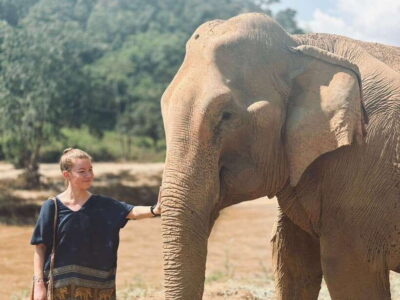
Elephant Sanctuary, Long Neck & Sticky Waterfall
Read our review →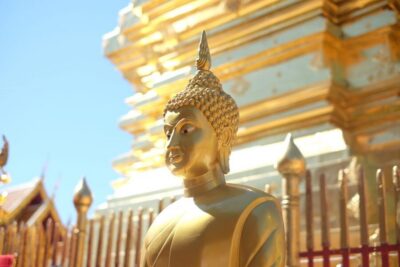
4-Hour Doi Suthep & Hmong Hill Tribe Village from Chiang Mai
Read our review →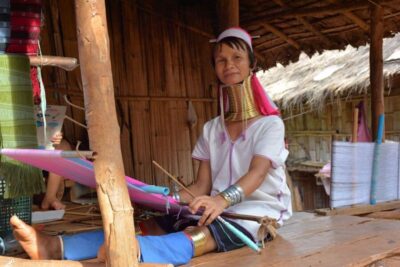
Long Neck Village & Chiang Rai’s Iconic Temples
Read our review →
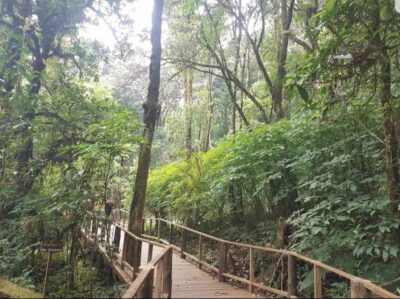
Chang Mai: Doi Inthanon Day Tour w/Waterfalls & Hilltribes
Read our review →
Chiang Rai Full Day Tour with Boat Trip and Longneck Village
Read our review →Browse the lists this tour appears in