
Reviewed · CHIANG MAI
Chiang Mai Homestay
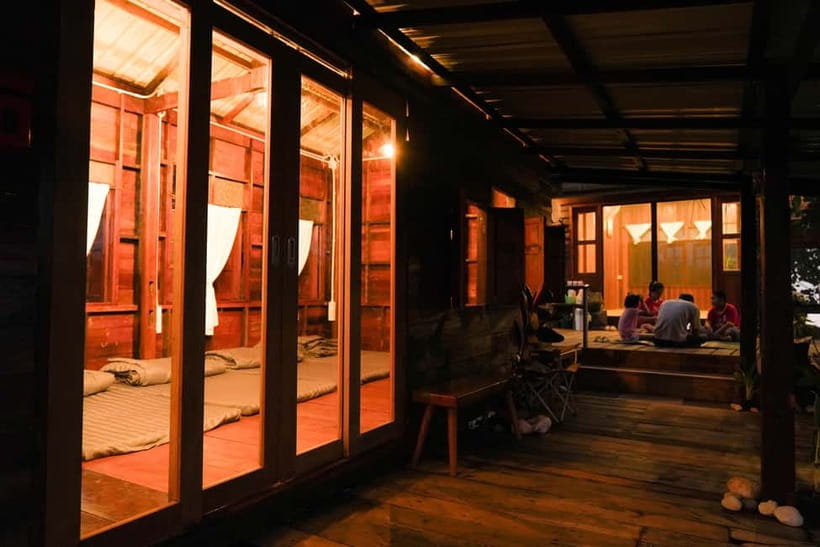
Elephants and family life, in two days. At Ban Phuan Homestay in Chiang Mai Province, you trade hotel time for village rhythm, sunset views, and a genuinely local dinner. I love the warm family welcome and the way meals feel like part of the day, not just a stop on a schedule.
My other favorite part is the hands-on elephant time at an elephant sanctuary, including feeding and bathing plus learning about elephant history. It’s active, educational, and guided with care, so you’re not just watching from far away.
One consideration: this is not a sit-in-air-conditioning kind of day. With hiking and close elephant contact, you’ll want the right shoes and comfort with a physical routine, and the program isn’t suitable for many age or health situations.
In This Review
- Key highlights worth planning for
- Ban Phuan Homestay: how Chiang Mai homestay living feels
- Day 1 at Ban Phuan: welcome, sunset, and a northern-style dinner
- Day 2 in the elephant sanctuary: feeding, bathing, and elephant history
- The extra village moments: market cooking, river time, fishing, and a temple visit
- Meals and food you should expect in a Ban Phuan homestay
- What to bring (and why it matters for elephants and hiking)
- Price and value: is $90 per person fair for this kind of experience?
- Who this Chiang Mai Homestay is best for
- Who it is not suitable for (read this before you book)
- Getting around: transportation is extra, so plan early
- Should you book Ban Phuan Homestay in Chiang Mai?
- FAQ
- How long is the Chiang Mai Homestay experience?
- What is included in the price?
- What meals do you get during the homestay?
- What elephant activities are included?
- Is transportation to and from the homestay included?
- What should I bring?
- Who is this homestay not suitable for?
- What languages are used, and is pay later offered?
Key highlights worth planning for
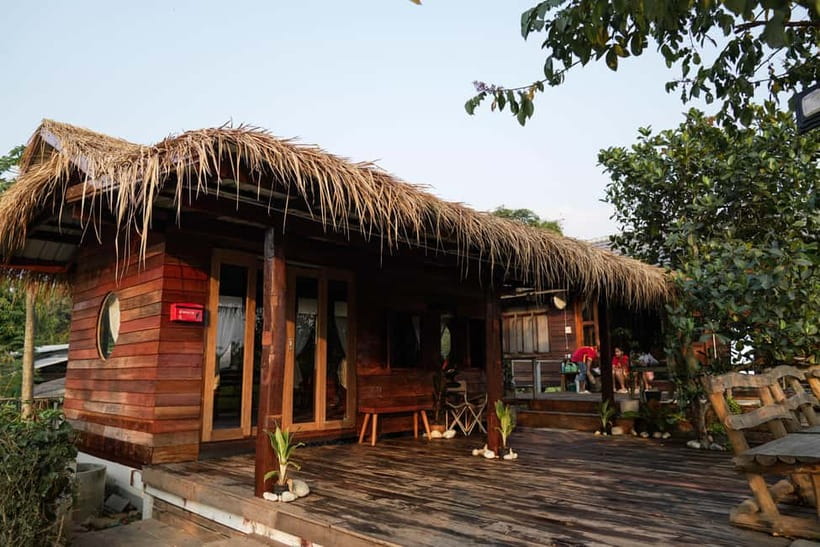
- Two full days in Ban Phuan, with time to relax between activities
- Northern-style dinner and breakfast made with local routines
- Elephant sanctuary time focused on feeding, bathing, and learning
- Hiking with elephants that adds movement to the experience
- Cooking local food together, plus time for family conversations
- Optional nature stops like a river and lake for fishing, depending on the flow
Ban Phuan Homestay: how Chiang Mai homestay living feels
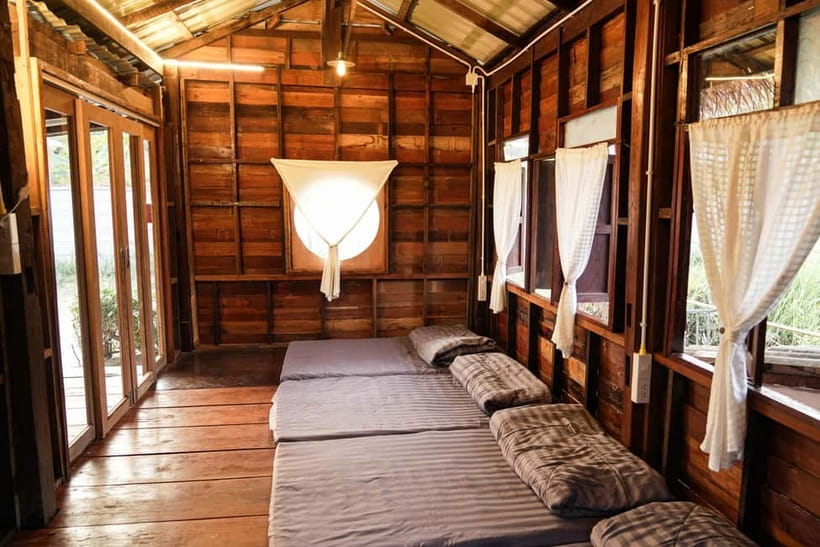
A Chiang Mai homestay can mean a lot of things. This one leans hard into daily village life, not just a bedroom and a meal. You arrive, meet the homestay family, and settle into their pace. That matters, because the best “culture” moments happen when you’re not constantly rushing.
You should expect a family-centered setup. Even when the day turns adventurous, you’re still returning to the same home base for quiet breaks, photos, and conversation. That continuity is the value here. It’s easier to remember details, and it feels more real than the one-night version of the experience.
I also like that this homestay is built around one main theme: elephants. It’s not scattershot sightseeing. So if you care about nature education, respectful animal interaction, and learning how local people relate to elephants, you’ll get a clear focus across the two days.
Day 1 at Ban Phuan: welcome, sunset, and a northern-style dinner
Your first day starts when you arrive at the homestay. The family welcomes you with warm smiles, and you get time to settle in, breathe the fresh air, and get your bearings around the village. This first block is underrated. You’re not thrown straight into a long day of driving and checking boxes.
Then comes the part I think you’ll enjoy most: the evening meal. You’ll have a northern-style dinner made by your hosts. Northern Thai food has its own personality, and when it’s prepared in the home, it tastes like part of local life rather than a tourist plate.
This is also a good day to plan for sunset. The highlight here is that you can watch the sunset before dinner, which makes the whole evening feel like an event. If you’re the kind of traveler who enjoys small moments, that sunset pause is worth taking seriously. Put your phone down for a bit. Walk a little. Let the light change.
There’s also mention of seeing elephants at night time. Don’t assume you’ll get a guaranteed viewing, but the program’s design leaves room for those quieter animal moments. If you’re sensitive to noise, bring patience. Village evenings can be lively.
By the end of Day 1, you should feel like you’ve joined the household for real, not just visited it.
Elephants aren't the only reason to stay longer:
- Half-Day Thai Cooking Class at Organic Farm in Chiang Mai★ 5.0 · 19,087 reviews
- Chiang Mai: Elephant Sanctuary, Waterfall & Bamboo Rafting★ 4.9 · 9,160 reviews
- Chiang Mai: Doi Inthanon National Park Eco-Friendly Tour★ 4.6 · 6,667 reviews
- Chiang Mai: Elephant Sanctuary & Waterfall Group Tour★ 4.9 · 5,780 reviews
Day 2 in the elephant sanctuary: feeding, bathing, and elephant history
The second day is where the trip really earns its keep. You start with a homemade breakfast at the homestay, then move into the elephant sanctuary experience.
Here’s what’s included in the elephant portion, as offered through this homestay program:
- feeding the elephants
- helping bathe them in a kind and respectful way
- learning about elephant history
- hiking with the elephant
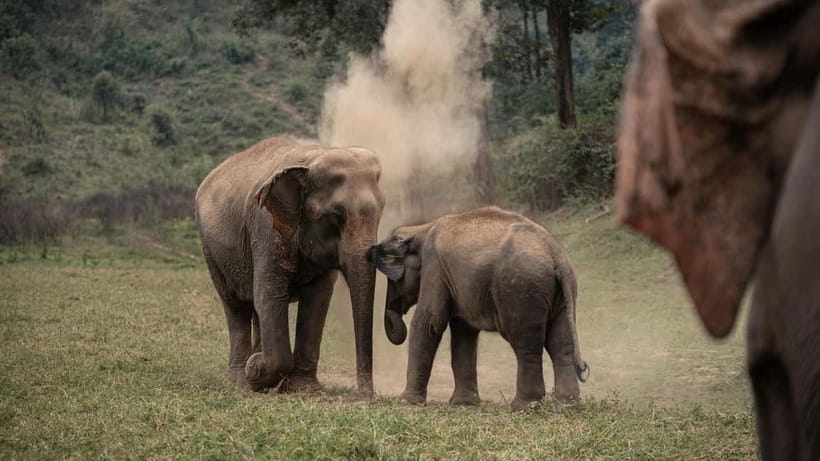
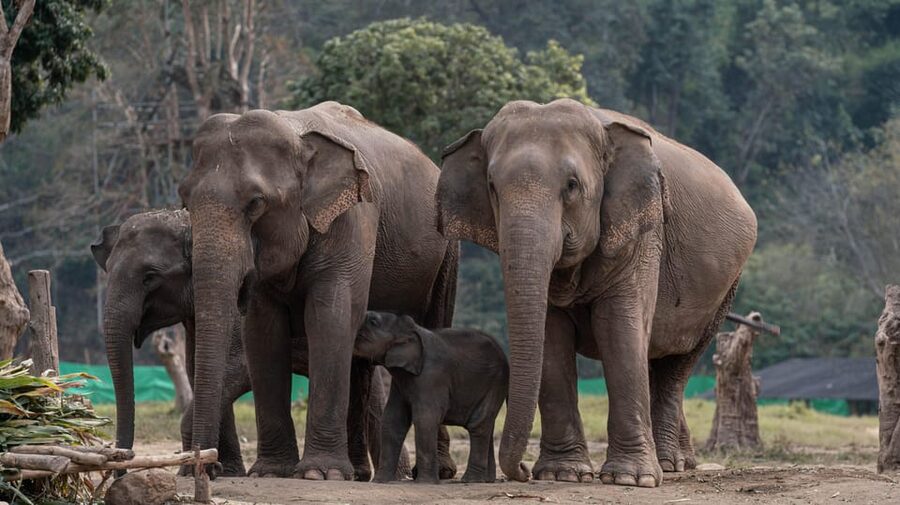
Those details matter. Feeding and bathing are not the same as a quick viewing. You’re learning how the animals are cared for and how the process works. And because elephant history is part of the learning, you’re not just collecting photos, you’re connecting the experience to a bigger story.
The bathing component is especially meaningful. It signals that the activity is about respectful interaction and animal wellbeing. That’s what you want to look for when you book anything elephant-related. You should feel guided, not rushed, and you should know what you’re doing and why.
Then there’s the hiking. A lot of elephant encounters skip the walking portion entirely. Here, hiking with the elephant is part of the day. That gives you a sense of movement and space, and it also means your physical comfort matters. Wear shoes that handle uneven ground.
After the sanctuary activities, you’ll have downtime back at the homestay. That reset time is great. Elephants can be intense emotionally, even when everything is handled well. Having a quiet return to the home base helps you process what you saw.
The extra village moments: market cooking, river time, fishing, and a temple visit
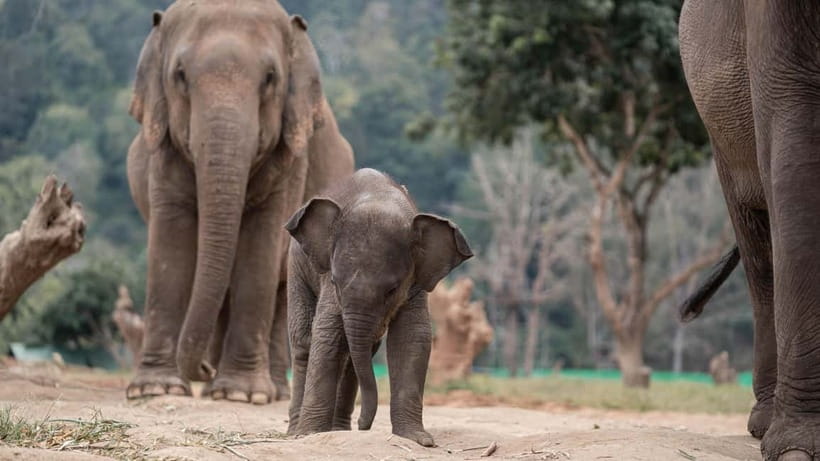
This experience can include more than elephants and meals, and the best part is how they stay connected to family life.
One example from the program experience is cooking local food together, including a market-style meet-up where you share in the cooking. The idea is simple: you don’t just eat. You help make something, then you sit down together. For me, that’s where “homestay” becomes memorable. You learn what ingredients matter and what local tastes look like in real dishes.
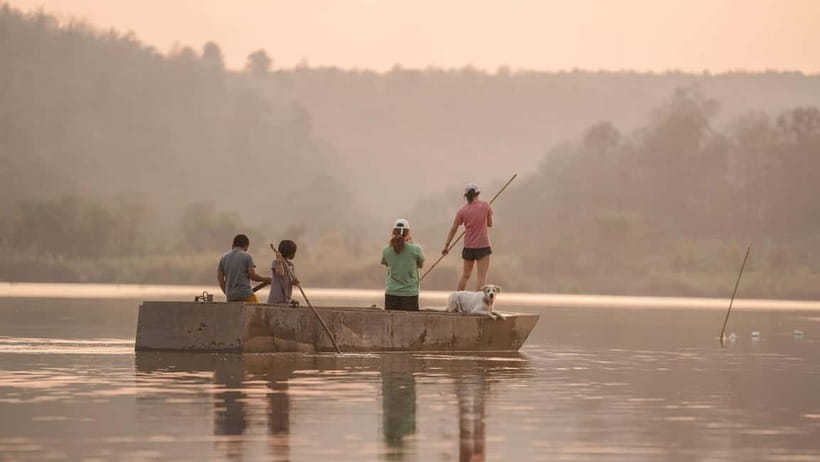
You may also enjoy nature stops like the fault river and a magnificent lake, including time for fishing in a beautiful spot. Not everyone will care about fishing. But even if you do not fish, being there with the family, relaxing by the water, and sharing the day’s calm can be a highlight.
Another possible add-on is a temple visit that the family goes to daily. If you’re curious about how religion fits into everyday village routines, this is the kind of access you rarely get on a standard tour. You also get to see it through a family lens, not as a checklist item.
Because these extras are not listed as a strict separate itinerary block here, treat them as “you might get this.” Still, it’s a strong sign that the homestay day can feel flexible and personal, rather than rigid.
Add a day trip while you're up north:
- Chiang Mai: Chiang Rai Temples, Karen Tribe and Hot Springs
★ 4.7 · 5,401 reviews - Chiang Mai: Cooking Class, Market & Thai Herbs Garden Tour
★ 4.9 · 4,824 reviews - Chiang Mai: Authentic Cooking Class with Market & Farm Visit
★ 4.9 · 4,546 reviews
Meals and food you should expect in a Ban Phuan homestay
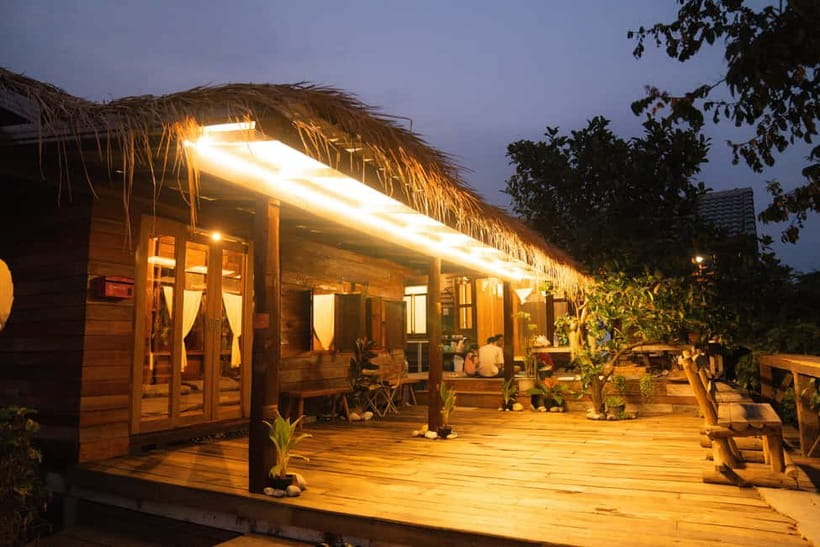
Let’s talk food, because it’s one of the best reasons to choose a Chiang Mai homestay instead of a tour bus. You get:
- a northern-style dinner made by your hosts
- breakfast at the homestay
- cooking local food together
That’s not just about taste. It’s also about structure. When meals are included, you don’t have to constantly decide where to eat. You stop spending your energy on logistics and start spending it on time with people.
If you’re the type who likes learning through doing, the cooking part is a smart win. You’ll probably get hands-on time with a typical dish and see how local ingredients are handled. Even if your cooking skills are limited, you’ll leave with a better understanding of local flavors, plus a story you’ll remember later.
Practical tip: keep some cash handy if you end up wanting snacks, tea, or little extras during day stops.
What to bring (and why it matters for elephants and hiking)
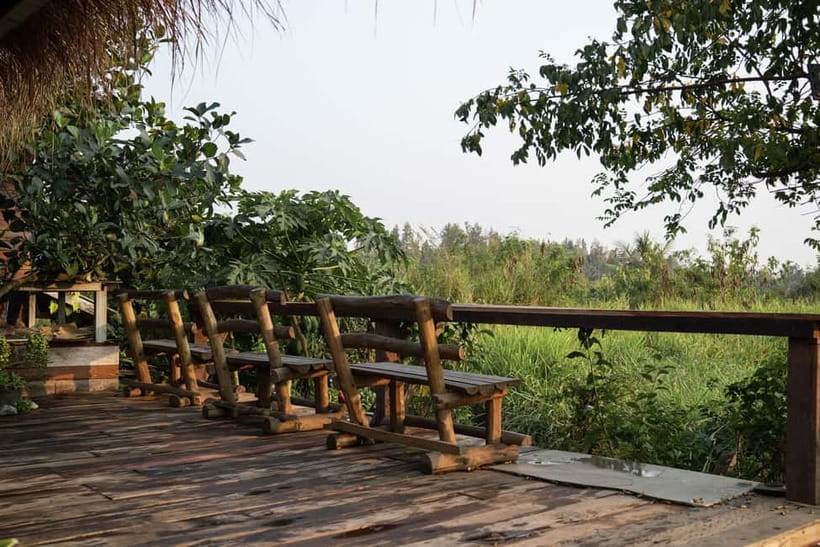
The program includes elephant feeding, bathing, and hiking with elephants. That means your packing list should support movement and comfort, not just photo gear.
Bring:
- change of clothes
- camera
- hiking shoes
- long pants
- cash
Long pants are especially important here. You’re dealing with outdoor walking and close contact time, so basic comfort and skin protection help a lot.
Also, think about wet conditions. Bathing elephants can mean splashes or a damp environment around you. A change of clothes is not optional, it’s common sense.
What not to bring:
- baby strollers
- baby carriages
If you’re traveling with little kids, this is not the right setup based on the restrictions.
Price and value: is $90 per person fair for this kind of experience?
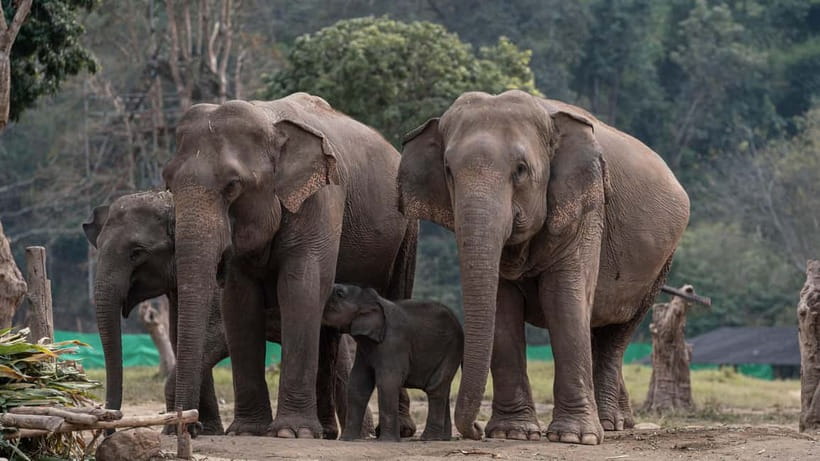
At $90 per person for a two-day Ban Phuan homestay, you’re paying for three things that usually cost extra elsewhere: accommodation with a family, meals, and a guided elephant sanctuary day with more than just a viewing.
Here’s where the value comes from:
- Accommodation is included, so you’re not booking a hotel on top of the elephant program.
- Meals are included, including a northern-style dinner and breakfast, plus you may cook local food.
- The elephant day is not “watch only.” It includes feeding, bathing, learning elephant history, and hiking.
Transportation is not included, which you should factor into your real cost. If you have to pay for pickup to and from the homestay, your total spend will rise. Still, compared to piecing together separate hotel costs, meal costs, and a higher-end animal encounter, this price can feel reasonable if you truly want a two-day family-based experience.
My rule of thumb: if you want authentic life with a home base, and you’re excited about elephants with real interaction and learning, then the $90 price is a good match. If you want a low-effort sightseeing weekend, it might feel expensive for the amount of walking and close contact involved.
Who this Chiang Mai Homestay is best for
This is a strong choice if you:
- love nature and want a hands-on animal experience
- enjoy learning about local life through family routines
- want a slower, home-based itinerary instead of nonstop driving
- feel comfortable with outdoor walking and sanctuary activities
It’s also a good fit for people who like meaningful food moments, because cooking local food and sharing dinner is part of the day.
Who should reconsider:
- anyone expecting a short, passive tour
- anyone who struggles with physical activity, since hiking is included
- people who need age or health accommodations, since the program has strict limits
Who it is not suitable for (read this before you book)
This homestay experience is not suitable for:
- children under 10 years
- babies under 1 year
- people with altitude sickness
- people over 95 years
- people over 70 years
That list is there for a reason. The activities include hiking and close elephant interaction, so comfort and safety matter. If any of these categories apply to you, it’s worth choosing a different style of Chiang Mai experience.
Getting around: transportation is extra, so plan early
Transportation to and from the homestay is not included, so you’ll need to handle it separately. For many people, this is the main planning snag. The homestay day itself is easy because meals and activities are built in, but your arrival and departure still require coordination.
If you’re staying in Chiang Mai city, plan for the extra cost and time needed to reach the homestay. A smooth start makes the first evening much more enjoyable, especially since Day 1 includes dinner and sunset time.
Should you book Ban Phuan Homestay in Chiang Mai?
If your ideal trip includes real family time, northern-style meals, and a sanctuary experience with feeding, bathing, and elephant history, then yes, you should book it. The two-day format is the difference. You get time to relax, then you get time to learn, and you return home each day instead of running from place to place.
If you’re looking for only iconic photo stops, or you want everything to be low effort, you may feel underwhelmed. This is active, and it involves hiking plus close contact around elephants, so the physical side matters.
My final advice: book this when you want to slow down and connect. Bring the right shoes, pack a change of clothes, and give the family space to set the rhythm. That’s when the experience really turns into something you’ll remember.
FAQ
How long is the Chiang Mai Homestay experience?
It is a 2-day stay at Ban Phuan Homestay.
What is included in the price?
Accommodation, northern-style dinner, breakfast, elephant adventure (feeding and bathing), learning about elephant history, hiking with an elephant, and cooking local food.
What meals do you get during the homestay?
You get a northern-style dinner and a homemade breakfast.
What elephant activities are included?
You’ll feed the elephants, help bathe them in a kind and respectful way, learn about elephant history, and do hiking with the elephant.
Is transportation to and from the homestay included?
No. Transportation to and from the homestay is extra.
What should I bring?
Bring a change of clothes, a camera, hiking shoes, long pants, and cash.
Who is this homestay not suitable for?
It is not suitable for children under 10, babies under 1, people with altitude sickness, people over 95, and people over 70.
What languages are used, and is pay later offered?
Languages are English and Thai. There is a reserve and pay later option, so you can book now and pay nothing today.
Fresh listings for Chiang Mai
- Skydive Chiang Mai★ 5.0 · 1 review
- One day hiking tour in Chaing Mai★ 5.0 · 1 review
- One Day Non Tourist Trek 100% Guarantee★ 5.0 · 1 review
- Chiang Mai to Chiang Rai (Private 3 day Tour)★ 5.0 · 1 review
- San Kamphaeng Hot Springs and Thai Handicraft Tour from Chiang Mai★ 5.0 · 1 review
- Half day Doi Suthep Temple & Mae Ping River cruise (Private)★ 5.0 · 1 review