
Reviewed · ETHICAL ELEPHANT SANCTUARY TOURS
Day trip to Temple of Elephants. With guide small groups
Elephants plus a river ride equals a great day.
This Temple of Elephants camp outing mixes bamboo rafting with a full guided day of feeding and learning, not just a quick photo stop. I like how the pace builds from the water to the camp, and I also like that you get a structured look at elephant care through stop-by-stop explanations from native guides.
The strongest part for me is the hands-on sequence: you’ll see the mud bath ritual, then learn vitamin preparation and make a second feeding happen as part of the routine. One thing to consider up front is that it is an active day (swimsuit, towel, and dirty clothes help), and you are not set up like a sit-and-watch tour.
In This Review
- Key highlights at a glance
- A 9-hour elephant day from Chiang Mai, with practical timing
- Bamboo rafting on the river: your warm-up before the elephants
- Temple of Elephants camp tour: feeding and care explained stop by stop
- Lunch at the camp: simple Thai food that keeps your energy up
- The mud bath and river ritual: why this part matters
- Vitamin preparation and second feeding: hands-on learning, not just snacks
- Waterfalls and the Long-necked Karen village stop
- Price check: is $125 good value for this mix of transfers and activities?
- What to pack for an elephant camp day (and why it matters)
- Who this tour suits best, and who should think twice
- Should you book the Temple of Elephants day trip?
- FAQ
- How long is the Temple of Elephants day trip?
- What time is hotel pickup in Chiang Mai?
- Is lunch included?
- Are beverages included in the price?
- What activities are included besides the elephant camp tour?
- Is the tour wheelchair accessible?
- Can I cancel for a full refund?
Key highlights at a glance
- Bamboo rafting before the camp for that first taste of the river and elephant habitat
- Small-group camp education with native English-speaking guides plus some French, Spanish, and Chinese
- Mud bath and river time framed as part of elephant wellbeing
- Vitamin prep and second feeding where you learn and then participate
- Lunch included at the camp as a straightforward Thai meal stop
- Waterfalls and Long-necked Karen village added for culture and scenery
A 9-hour elephant day from Chiang Mai, with practical timing
The whole experience runs about 9 hours, starting with hotel pickup in Chiang Mai between 8:30 am and 9:00 am, and returning around 6:00 pm. You will take a scenic southwest drive out of the city, passing rice fields, local farms, and tribal villages, which helps the day feel like more than one big attraction.
I like that the pickup is built around small-group logistics. It means you are not stuck waiting at the same pace as a giant bus crowd, though the drive time can stretch if your hotel is farther from other stops. Also, the tour includes round-trip transfer, so you do not have to think about transport after you wake up.
If you hate early mornings, plan your day around this. Once you are moving, the schedule flows: rafting, camp, lunch, mud bath, feeding, then waterfalls and a village.
Bamboo rafting on the river: your warm-up before the elephants
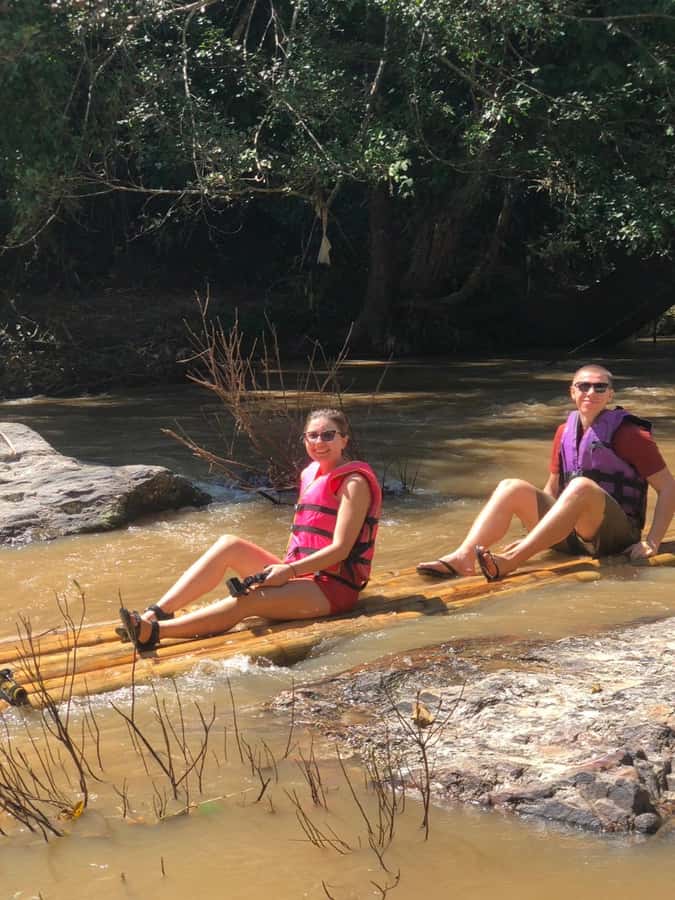
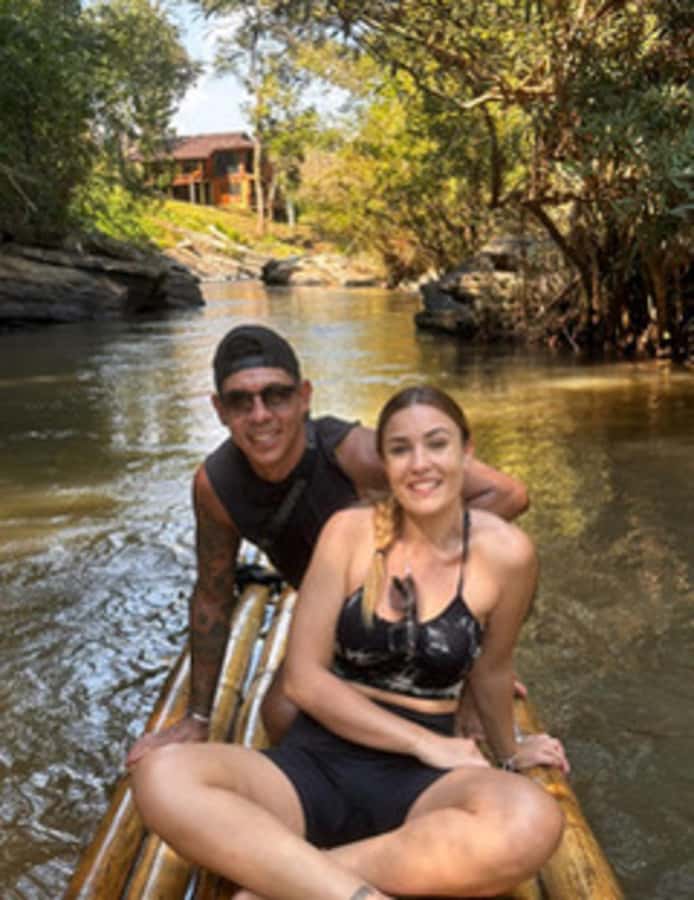
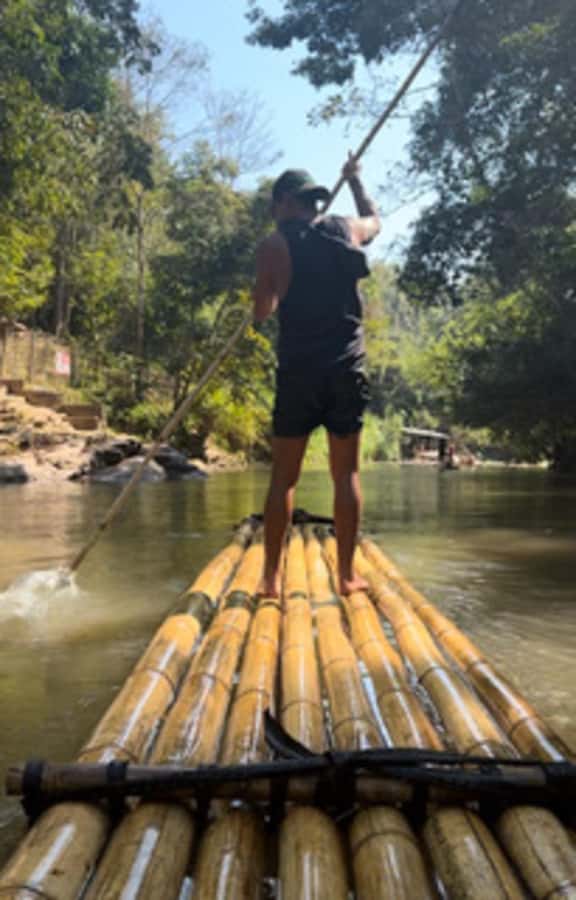
Before you even reach the camp, you start with a half-hour bamboo rafting session, designed to help you spot elephants near the water in a natural river setting. Even if you do not see an elephant the second you push off, the timing is smart, because you are already in that landscape mindset when you arrive.
This is also the part where you should dress for “river day,” not “museum day.” Expect splash potential, and wear something you can get wet. Flip-flops are handy, but if you are bringing a pair of sandals with straps, you might find that easier for balance.
You’ll also get an early taste of how the day is guided. The point is not just the ride, it’s how that river environment connects to what you see later at the camp.
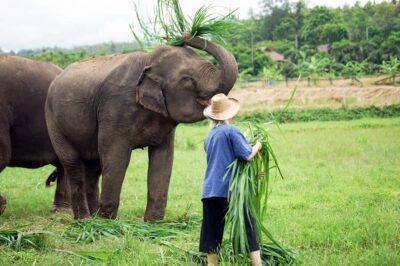
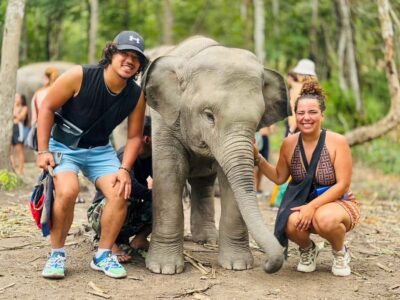
Feed and bathe elephants, no riding involved
- Chiang Mai: Elephant Sanctuary, Waterfall & Bamboo Rafting★ 4.9 · 9,160 reviews
- Chiang Mai: Elephant Sanctuary & Waterfall Group Tour★ 4.9 · 5,780 reviews
- Chiang Mai: Elephant Sanctuary Feeding Program Half-Day Tour★ 4.8 · 4,527 reviews
- Chiang Mai: Elephant Sanctuary, Long Neck & Sticky Waterfall★ 4.9 · 2,262 reviews
Temple of Elephants camp tour: feeding and care explained stop by stop
Once you arrive, the camp portion is run by native guides who speak English and some French, Spanish, and Chinese. That matters because elephant care can get lost in translation if the guide can’t explain the why behind each action.
The camp tour is educational and paced as a sequence. You learn about the care and life of the elephants, and you get context for the importance of each stop on the tour. That framing is what turns this from a simple activity list into a real day of learning.
You should also know this is not a “hands-off” visit. You will interact during the feeding portions and later during bathing and vitamin prep. That means listening closely, following instructions, and keeping your hands where they belong.
Lunch at the camp: simple Thai food that keeps your energy up
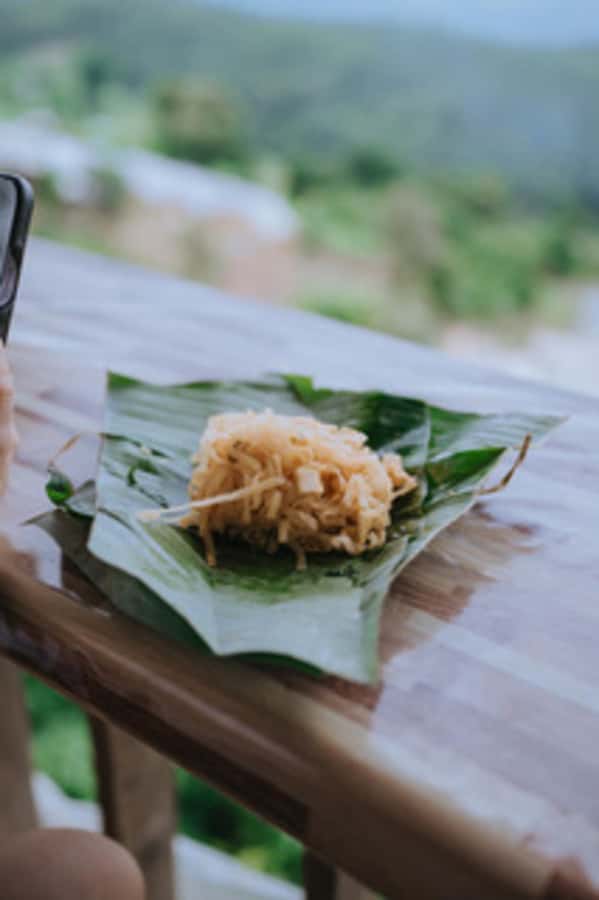
Lunch is included, and it is an authentic Thai meal prepared at the camp. On a day like this, I care less about Michelin-star details and more about one thing: can you eat well before you get muddy and involved with elephant routines.
If you have dietary needs, you’ll want to plan ahead, since the information you have here only confirms that lunch is included as a Thai meal. Bring a realistic attitude: this is a camp meal, not a downtown restaurant.
After lunch, the day turns physical again. You are about to get into the mud and the river sequence, so treat lunch as your fuel stop.
Still haven't picked a temple to start with?
- Chiang Mai: Chiang Rai Temples, Karen Tribe and Hot Springs
★ 4.7 · 5,401 reviews - Chiang Rai White Temple and Blue Temple Day Tour
★ 4.6 · 3,366 reviews - Chiang Mai: White, Red/Black & Blue Temples Tour with Lunch
★ 4.2 · 2,017 reviews
The mud bath and river ritual: why this part matters
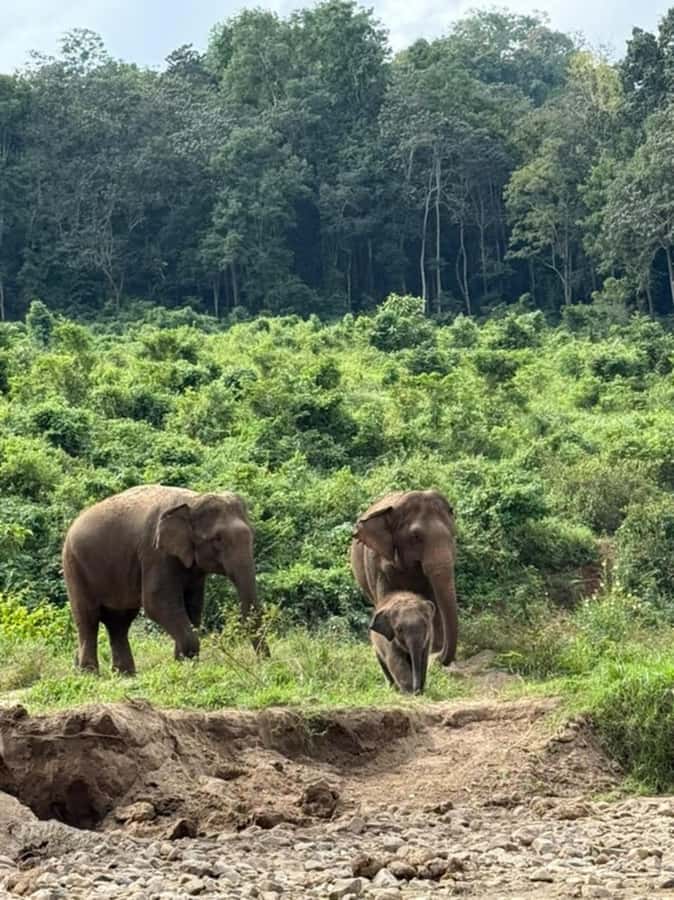
Next up is the mud bath and river portion, described as an essential ritual for the elephants’ wellbeing. You’ll see how the elephants enjoy this activity, and that is the key word here: enjoy. The goal is to understand the role of the mud bath in daily life, not just watch a spectacle.
Practically, this is where you will feel the heat, wetness, and grit. The tour provides a structure, but your comfort depends on what you bring. Use the recommended gear: swimsuit, towel, clothes that can get dirty, and biodegradable sunscreen.
You also get a chance to witness elephant behavior in a natural, everyday setting. It’s one thing to read about animal enrichment, and it’s another to see what looks like comfort and routine.
Vitamin preparation and second feeding: hands-on learning, not just snacks
After the mud bath, you shift into a more hands-on learning phase: vitamin preparation and homemade remedies for the elephants. The tour explains how to prepare vitamins and remedies, and it connects that work to the elephants’ daily needs and care.
Then comes the fun part, the second feeding, where you watch the elephants enjoy the vitamins you have prepared. This is one of the most praised moments, because it gives you a role. You are not just walking past, you are part of the workflow under guidance.
A good mindset helps here. Stay attentive, follow instructions, and treat this like a care activity, not a game. If your goal is to understand how the camp frames elephant wellbeing, this section is the payoff.
Waterfalls and the Long-necked Karen village stop
After the heavier elephant segments, the tour adds a change of scenery with visits to waterfalls and the Long-necked Karen village. You’ll learn about customs and lifestyle as part of that village visit.
This is a nice balance for the day, because you get some open-air time and a bit of cultural context. Just keep expectations grounded. The information provided here emphasizes learning about customs and lifestyle, not museum-style history with deep timelines.
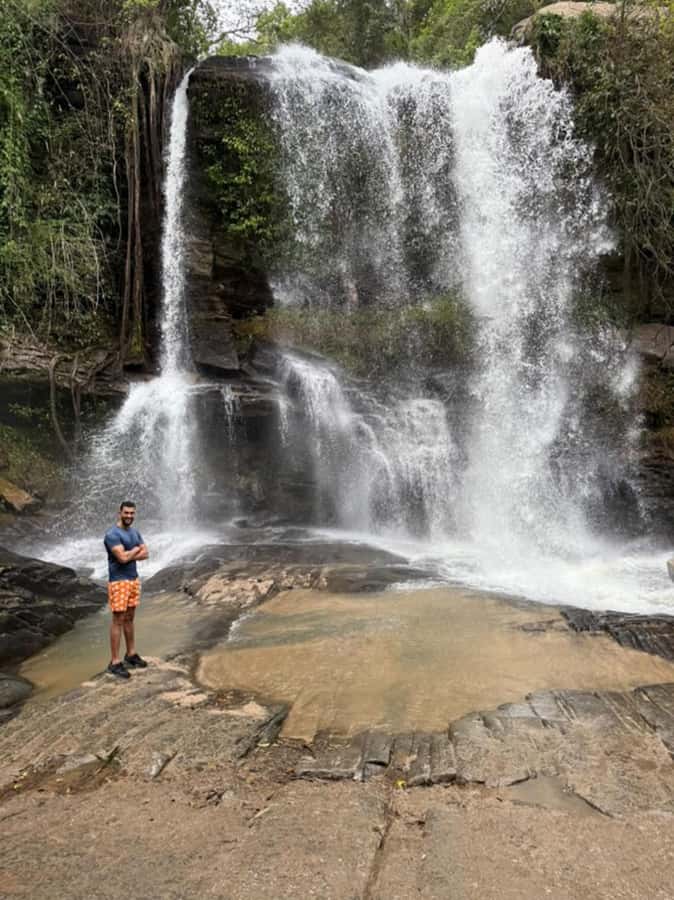
For waterfall time, bring a camera that can handle humidity and a plan for wet paths. The footwear advice you got here, flip-flops, can work, but if the rocks are slippery, you might prefer something with more grip.
And for the village stop, keep your behavior respectful and curious. Ask questions, watch how people live, and avoid turning the moment into a photo shoot without meaning.
Price check: is $125 good value for this mix of transfers and activities?
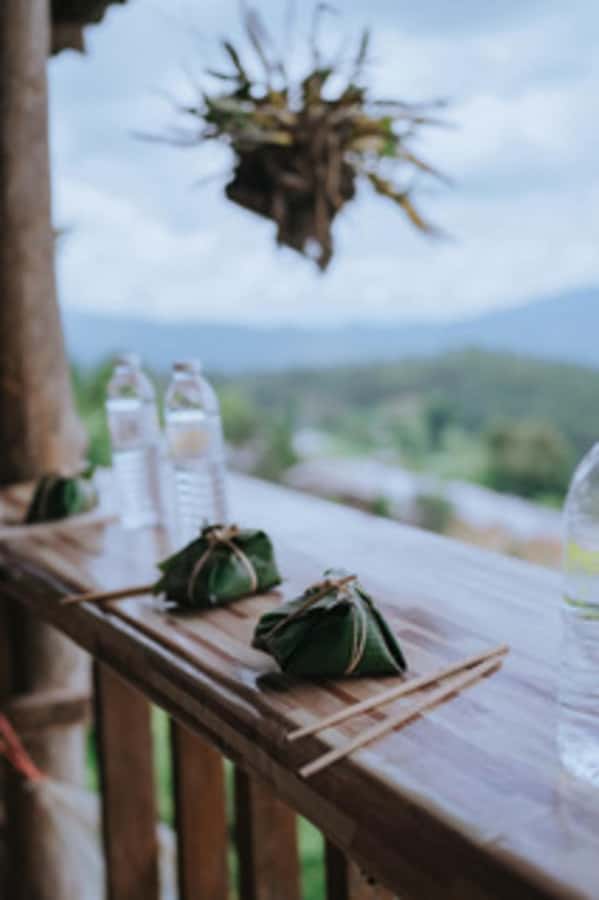
At $125 per person for roughly 9 hours, the value depends on what you would otherwise pay for in Chiang Mai. Here, you are getting round-trip transfer from your hotel, a guided elephant camp tour, bamboo rafting, lunch, and multiple elephant interaction components including bathing and vitamin prep.
The price also covers native guides who handle the day’s flow, plus language support in English and some French, Spanish, and Chinese. That’s part of the “hidden” value. You do not have to figure out transport between rafting, camp, waterfalls, and the village.
Two cost notes to keep in mind:
- Drinks are not included. You can purchase Coca Cola and Orange Fanta for 40 baht, beer for 60 baht, and water for 20 baht.
- You are not paying for just one attraction. The itinerary is a bundle, with time to do things, not just tickets to scan.
If you want maximum structure, a full day, and a guided introduction to elephant care, this price can feel reasonable. If you only want a quick elephant interaction and nothing else, you might decide to spend less elsewhere.
What to pack for an elephant camp day (and why it matters)
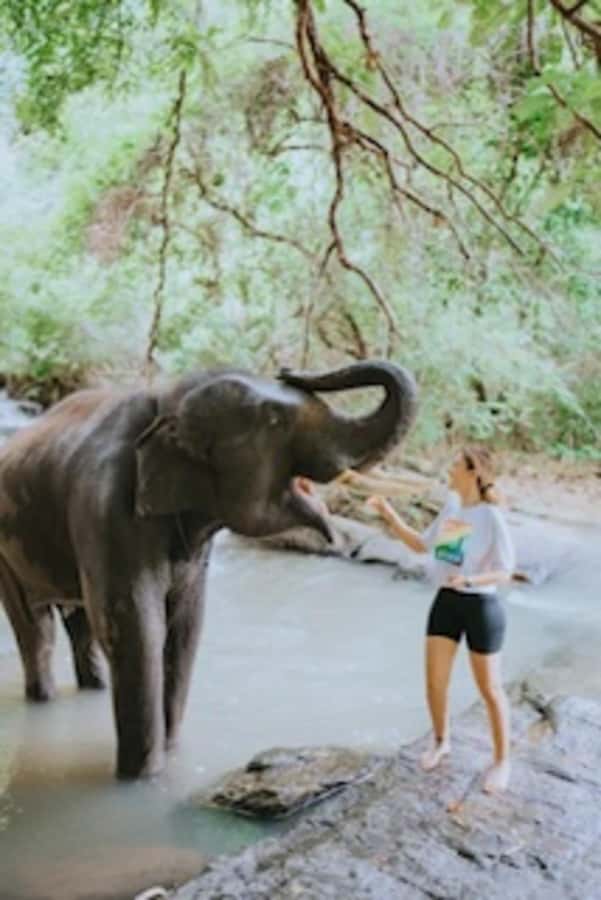
Bring what the tour specifically suggests, because this day is built around wet, muddy, and active moments.
Pack:
- Swimwear
- Towel
- Biodegradable sunscreen
- Comfortable clothes
- Flip-flops
- Clothes that can get dirty
I also recommend you bring a small dry bag or a zip pouch if you have one. You’ll likely switch between dry walking time and wet activity time, and it’s a relief to keep your phone or wallet protected.
Also, sunscreen timing matters. Sunscreen that you apply before you’re exposed helps, but if you are going to the river and back, you might find you need reapplication. Use biodegradable options as advised.
Who this tour suits best, and who should think twice
This works best for you if you want:
- A small-group elephant day with a guide
- A chance to participate in feedings and vitamin prep
- A schedule that includes nature time (river, waterfalls) plus a cultural village visit
It may not be the right fit if you need wheelchair access. The tour is listed as not suitable for wheelchair users, and the day includes outdoor areas and wet conditions.
Also, if you are sensitive to getting dirty or uncomfortable with water-based activities, you should reconsider. The mud bath and river parts are not optional “extras.” They are part of the core flow.
Should you book the Temple of Elephants day trip?
I’d book it if you want a structured, full-day experience in and around Chiang Mai that connects elephant interaction with care-focused learning. The strongest signals here are the detailed camp tour, the stop-by-stop explanations from native guides, and the hands-on vitamin preparation plus second feeding.
Skip it if your ideal day is mostly dry, mostly passive, or if you do not want the mud bath and river routine. Also, if you watch your daily budget tightly, remember drinks are extra.
Final tip for your decision: go in prepared to participate, and you’ll get more out of it than the people who treat it like a grab-and-go photo stop.
FAQ
How long is the Temple of Elephants day trip?
The duration is 9 hours.
What time is hotel pickup in Chiang Mai?
Pickup is scheduled for 8:30 am to 9:00 am (timing can vary based on other groups), and you should wait in the hotel lobby about 5 minutes before pickup.
Is lunch included?
Yes. You get an authentic Thai lunch prepared at the camp, included in the tour price.
Are beverages included in the price?
No. Beverages are not included, and you can purchase water (20 baht), soft drinks (40 baht), and beer (60 baht).
What activities are included besides the elephant camp tour?
The day includes bamboo rafting for about 30 minutes, plus elephant interaction such as feeding, bathing/mud bath, and vitamin preparation, and it also includes waterfalls and a Long-necked Karen village visit.
Is the tour wheelchair accessible?
No. It is listed as not suitable for wheelchair users.
Can I cancel for a full refund?
Yes. You can cancel up to 24 hours in advance for a full refund.
More 1-Day Tours in Chiang Mai

Fresh listings for Chiang Mai
- Skydive Chiang Mai★ 5.0 · 1 review
- One day hiking tour in Chaing Mai★ 5.0 · 1 review
- One Day Non Tourist Trek 100% Guarantee★ 5.0 · 1 review
- Chiang Mai to Chiang Rai (Private 3 day Tour)★ 5.0 · 1 review
- San Kamphaeng Hot Springs and Thai Handicraft Tour from Chiang Mai★ 5.0 · 1 review
- Half day Doi Suthep Temple & Mae Ping River cruise (Private)★ 5.0 · 1 review
Ethical Elephant Sanctuary Tours, compared.
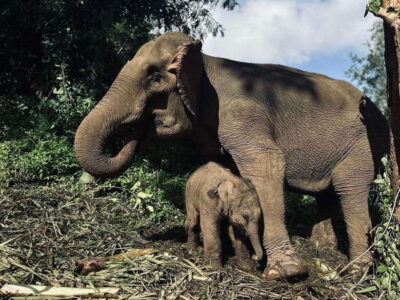
Elephant Sanctuary, Waterfall & Bamboo Rafting
Read our review →
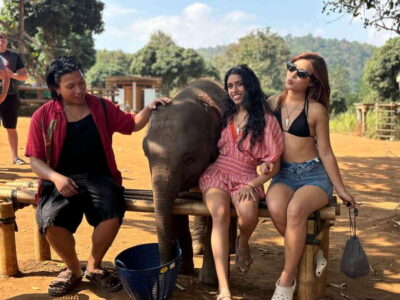
Elephant Sanctuary Feeding Program Half-Day Tour
Read our review →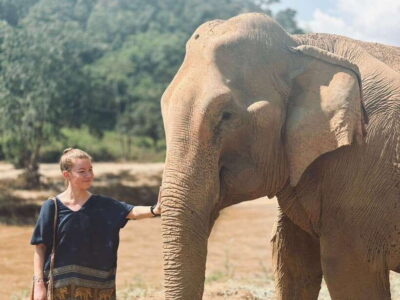
Elephant Sanctuary, Long Neck & Sticky Waterfall
Read our review →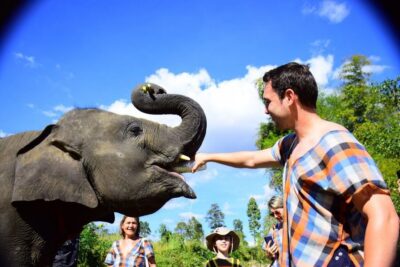

Browse the lists this tour appears in