
Reviewed · ETHICAL ELEPHANT SANCTUARY TOURS
Elephant and Gibbon Encounters – 5days/4nights
Gibbons call at sunrise in the trees. This 5-day Chiang Mai program pairs Karen village life with ethical conservation and hands-on learning around elephants and gibbons. I especially like that your day is built around seeing animals and understanding needs, not busy performances.
I also love the small-group feel and the simple logistics, including hotel pickup from the Top North Hotel area. One watch-out: plan for modest dress (cover knees and shoulders) and moderate hiking, and remember gibbon sightings can happen or not since they are wild.
In This Review
- Key highlights you should care about
- Why This Kindred Spirit Program Feels Practical, Not Performative
- Karen Village Life, Homestays, and the Dress Code That Matters
- Day 1: Pickup, Mountain Views, and Getting Started with Community
- Day 2 Elephant Morning, Forest Lunch, and Conservation Learning
- Day 3: Another Elephant Trek, Then the Shift to Gibbons
- Day 4: Gibbon Calls Outside Your Door, Cave Time, and Community Projects
- Day 5: Final Gibbon Try, Deeper Forest Walk, and Your Return
- Price and Value in the Real World: What $576.68 Means
- Who This Tour Suits Best, and Who Should Think Twice
- Should You Book It? My Practical Take
- FAQ
- What is included in the 5-day program price?
- Where is the meeting point and when does pickup start?
- Can I request pickup from Pai or Mae Hong Son?
- How many people are in the group?
- Is the hiking easy?
- Are vegetarian meals available?
- What should I wear during the stay?
- Are gibbon sightings guaranteed?
- What happens if I cancel?
Key highlights you should care about
- Ethics-first animal time: your elephant days center on observing behavior and learning in the forest setting
- Karen culture, not just a photo stop: you’ll cook, weave, and spend real time with village life rhythms
- Gibbons are wild, but the hunt is part of the magic: early morning calls mean you have a real chance, not a guarantee
- Small group, personal guidance: up to 10 travelers helps the program stay hands-on and calm
- Value in the package: accommodation, most meals, national park fees, and pickup are included
Why This Kindred Spirit Program Feels Practical, Not Performative

There are a lot of elephant experiences in Thailand that sound exciting but leave you with questions later. This one is built around learning, observation, and habitat care, with gibbon work added in a way that feels genuinely different. You are in the forest, you are following routines with staff, and you are paying attention to how animals live when they are not being “managed” for entertainment.
What makes it work for me is the balance of animal time and human time. You are not just tracking wildlife. You also learn how the Karen communities relate to the land and why modern conservation depends on local knowledge. The gibbon side is also a major draw, since the program is described as the first of its kind in Thailand, so you’re not just repeating the same script from every other sanctuary.
The reality check is simple: this is active travel. You’ll hike moderately, start early, and spend time outside. If you want a mostly seated sightseeing tour, look elsewhere. If you like being outdoors and paying attention, you’ll likely have a great time.
Karen Village Life, Homestays, and the Dress Code That Matters
This program uses a village base with homestay-style accommodation for 4 nights. That matters because it shapes your whole pace. Instead of rushing between viewpoints, you get mornings and evenings where village sounds and routines are part of the experience. You’ll meet your homestay family, staff, and fellow volunteers, which turns the trip into a shared daily rhythm.
The most practical detail is clothing. You need modest clothes covering knees and shoulders during the stay. That sounds strict until you realize it keeps things respectful and comfortable in village settings and during hikes. Pack breathable layers, not just one outfit, because you’ll be outdoors in the morning and later in the day.
You can also request vegetarian meals when booking, which is useful for a program where you are eating with the community. Meals are included throughout the 5 days, so you are not hunting restaurants between activities. In a rural setting, that is a big quality-of-life win.
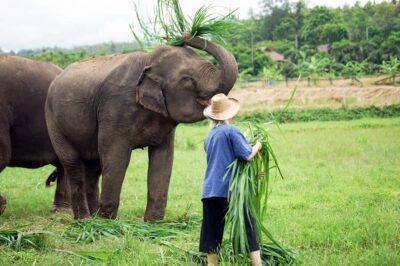
Feed and bathe elephants, no riding involved
- Chiang Mai: Elephant Sanctuary, Waterfall & Bamboo Rafting★ 4.9 · 9,160 reviews
- Chiang Mai: Elephant Sanctuary & Waterfall Group Tour★ 4.9 · 5,780 reviews
- Chiang Mai: Elephant Sanctuary Feeding Program Half-Day Tour★ 4.8 · 4,527 reviews
- Chiang Mai: Elephant Sanctuary, Long Neck & Sticky Waterfall★ 4.9 · 2,262 reviews
Day 1: Pickup, Mountain Views, and Getting Started with Community
Your day starts at 9:00 am with pickup from the Top North Hotel meeting point. If you’re staying in the Chiang Mai area, this is an easy start compared with transfers that require multiple stops. The tour also notes possible additional pickups from Pai or Mae Hong Son if you ask in advance.
From there, you travel through a national park and mountainous areas inhabited by hill tribes to reach the village. This isn’t “drive-by scenery.” It sets expectations for the trip: you’re heading into a different tempo, where the forest and the communities are the core.
Once you arrive, you meet your homestay family and staff, then settle into culture-first activities. You’ll do a cooking session with your homestay and learn basket weaving from village elders. This is one of the best ways to shift your mindset quickly. Instead of waiting for animal encounters, you begin by learning how people make daily skills part of life, and why that knowledge matters for conservation.
The downside of Day 1 is that it can feel like a lot of new people, new places, and early travel in one shot. If you are sensitive to change, take it slow on arrival. Hydrate and rest when you can.
Day 2 Elephant Morning, Forest Lunch, and Conservation Learning
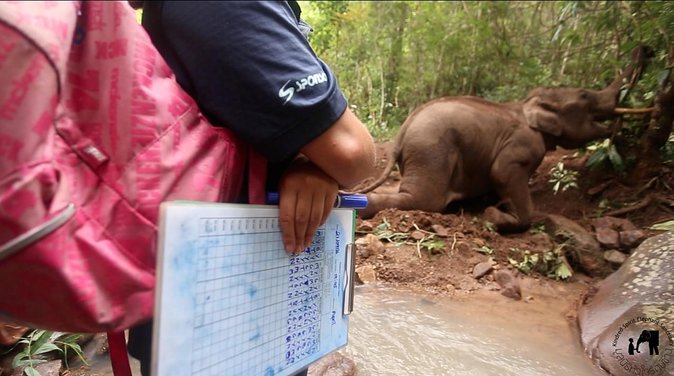
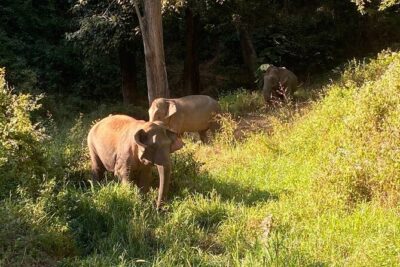
Day 2 is the elephant day that sets the tone. You rise early for a forest hike to locate the resident elephants. The morning focuses on observation and understanding. You’ll spend time documenting and learning their natural behaviors, with experienced caretakers guiding you.
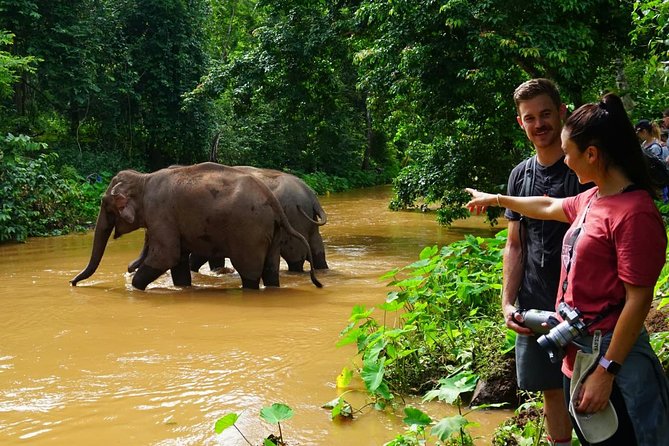
Then comes a highlight that many people remember: a forest lunch in the company of elephants. You’re not just staring from a safe distance and moving on. You’re sharing space while focusing on behavior, routines, and what the elephants need. That is exactly where ethical elephant programs earn their reputation, and this one aims to do it through learning rather than gimmicks.
Late afternoon brings the community side back in. You return to the village for deeper insights into the conservation work, local language, and culture. There’s also mention of possible engagement in community and teaching initiatives, which is a clue that this program is not purely sightseeing. Even if your role stays observational, you’ll likely feel like you’re part of a wider effort.
The only caution here is stamina. Early hiking plus a day outdoors means you’ll want good socks, light layers, and water discipline. If you’re comfortable with moderate hikes, you’ll be fine.
Add a day trip while you're up north:
- Half-Day Thai Cooking Class at Organic Farm in Chiang Mai
★ 5.0 · 19,087 reviews - Chiang Mai: Doi Inthanon National Park Eco-Friendly Tour
★ 4.6 · 6,667 reviews - Chiang Mai: Chiang Rai Temples, Karen Tribe and Hot Springs
★ 4.7 · 5,401 reviews
Day 3: Another Elephant Trek, Then the Shift to Gibbons
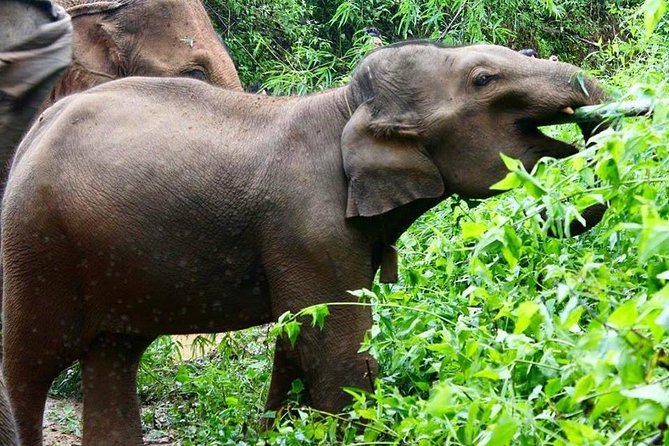
Day 3 starts with another early trek. You go out again to observe the elephants, then have lunch back in the village. The repetition is not a waste. It’s how you start noticing patterns in behavior and how the caretakers approach observation in a forest setting.
In the afternoon, you switch gears to the gibbon encounters village. Here, the focus moves from elephants to gibbons, including learning about their world and enjoying Karen cuisine. You’ll also explore the village surroundings, which keeps the day from feeling like a hard pivot with no context.
I like this day because it gives you contrast. Elephants and gibbons both live with their own daily rules, but their behaviors, movement, and needs are totally different. You get to practice noticing rather than just “seeing.” That makes the whole experience feel more meaningful than one animal highlight and done.
The main consideration is time. When you split the day between two different wildlife themes, you’re busy. If you prefer one theme only, or you get tired fast, plan on a calm evening once you’re back.
Day 4: Gibbon Calls Outside Your Door, Cave Time, and Community Projects
Day 4 starts with a real treat for anyone who loves wildlife sounds. You wake up to gibbon calls right outside the village. Then you follow their calls with guidance from a local expert, in hopes of catching a glimpse.
This is a key moment to set expectations: you’re not guaranteed to see gibbons. The program is clear about that. But the point is that you are in the right place at the right times, and you’re learning how to track them based on what they do in the wild.
After breakfast, you head out for forest exploration and visit a local cave. You’ll also have a traditional forest lunch. These are the kind of details that make a program feel lived-in rather than rushed, especially because the setting is tied to the wildlife experience.
Then, you get community projects time. The itinerary mentions helping with coffee, tea, or rice plantations, or learning weaving from local artisans. This is where the trip can feel more than a nature outing. You’re supporting daily work that sustains the community and its link to the land.
To wrap the day, you get a sunset from a village vantage point after dinner. It’s simple, but it’s often the kind of quiet ending that makes earlier long days feel worth it.
Day 5: Final Gibbon Try, Deeper Forest Walk, and Your Return
On Day 5, you try once more to spot gibbons near the village. After breakfast, you go on a deeper forest hike. The day then includes lunch in the village before departing back to Chiang Mai or Pai.
I like that the ending is not abrupt. You don’t just escape the village after one last animal moment. You have a final round of time outdoors, which helps the whole trip feel coherent. Even if you did not see every animal you hoped for, you still leave with a better sense of how they live and why the work is ongoing.
One more practical detail: the tour ends back at the meeting point. So plan to keep your travel buffer reasonable if you have onward plans the same day. The itinerary doesn’t specify exact drop-off timing beyond your departure direction, so it’s smart to keep your next flight or bus later rather than tight.
Price and Value in the Real World: What $576.68 Means
At $576.68 per person, this is not a budget day trip. But it is also not a “pay for nothing but a drive” tour. Your price includes 4 nights accommodation, breakfast, lunch, and dinner across the trip, small-group touring with local guide and driver, hotel pickup and drop-off by private vehicle, and national park fees.
That matters because it reduces surprises. In a rural program, meals and park access add up fast. Getting pickup handled can also save you time and hassle, especially if you are not already positioned in a convenient pickup location.
What is not included is also straightforward: alcoholic drinks are available to purchase, and personal expenses are on you. If you like to drink at the end of the day, bring cash or a plan for what’s available. Also pack for moderate hiking so you do not end up buying gear last minute.
As always, the value question comes down to fit. If you want animal observation plus real village interaction, the package makes sense. If you want fast, polished sightseeing, the slower pace might feel like too much.
Who This Tour Suits Best, and Who Should Think Twice
This experience fits you best if you like honest animal encounters, early starts, and learning through doing. It’s family-friendly in the sense that it’s described as suitable for all ages and skill levels, but the notes also say you should have moderate physical fitness. Translation: kids and seniors might be fine if they are steady walkers, but you will still be hiking.
It’s also ideal if you care about how conservation connects to people. The program repeatedly connects elephant and gibbon protection with Karen culture, village projects, language, and daily skills like weaving and agriculture support. If you want that human context, you’ll probably enjoy it a lot.
Think twice if you want guaranteed gibbon sightings, because the itinerary explicitly says sightings cannot be guaranteed. Think twice too if you hate mornings in the dark and don’t like hiking. Also consider your comfort with modest dress requirements during the stay.
Should You Book It? My Practical Take
I’d book this if you want a meaningful, ethics-minded nature stay that spends real time with communities and lets you learn how wildlife protection works day to day. The combination of elephant observation in the forest and the gibbon-focused village experience is a strong pairing, and the small group size helps keep it personal.
You should skip it if you’re hunting for guaranteed wildlife photos with minimal walking, or if you expect a purely luxury routine. This is outdoors travel with village immersion, so it rewards flexibility.
If you do book, pack for moderate hiking, bring clothing that follows the dress code, and mentally prepare for wild animal uncertainty. Then you’ll get the best version of the trip, the one where learning and patience are part of the payoff.
FAQ
What is included in the 5-day program price?
The tour includes 4 nights accommodation, breakfast, lunch, and dinner, a small group tour with a local guide and driver, hotel pickup and drop-off by private vehicle, and national park fees.
Where is the meeting point and when does pickup start?
The meeting point is Top North Hotel, 41 Mun Mueang Rd, Tambon Si Phum, Amphoe Mueang Chiang Mai, Chang Wat Chiang Mai. Pickup starts at 9:00 am.
Can I request pickup from Pai or Mae Hong Son?
Yes. The itinerary states that pickups from Pai or Mae Hong Son may be possible upon inquiry.
How many people are in the group?
The program has a maximum of 10 travelers.
Is the hiking easy?
It involves a moderate amount of hiking, and the tour notes that you should have a moderate physical fitness level.
Are vegetarian meals available?
Yes. A vegetarian option is available if you advise at the time of booking.
What should I wear during the stay?
You must wear modest clothes covering knees and shoulders during the stay.
Are gibbon sightings guaranteed?
No. Gibbon sightings are possible, but they are wild animals and sightings cannot be guaranteed.
What happens if I cancel?
This experience is non-refundable and cannot be changed for any reason. If you cancel or ask for an amendment, the amount you paid will not be refunded.
Fresh listings for Chiang Mai
- Skydive Chiang Mai★ 5.0 · 1 review
- One day hiking tour in Chaing Mai★ 5.0 · 1 review
- One Day Non Tourist Trek 100% Guarantee★ 5.0 · 1 review
- Chiang Mai to Chiang Rai (Private 3 day Tour)★ 5.0 · 1 review
- San Kamphaeng Hot Springs and Thai Handicraft Tour from Chiang Mai★ 5.0 · 1 review
- Half day Doi Suthep Temple & Mae Ping River cruise (Private)★ 5.0 · 1 review
Ethical Elephant Sanctuary Tours, compared.
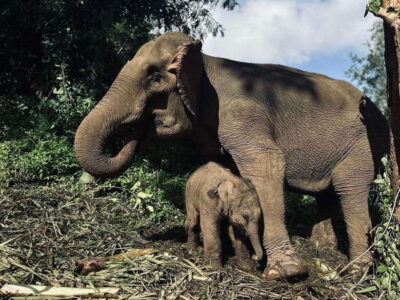
Elephant Sanctuary, Waterfall & Bamboo Rafting
Read our review →
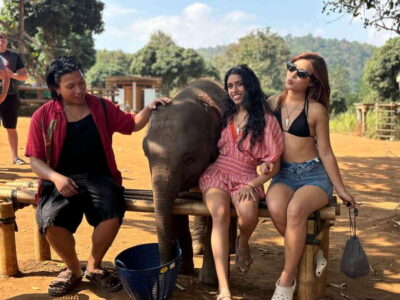
Elephant Sanctuary Feeding Program Half-Day Tour
Read our review →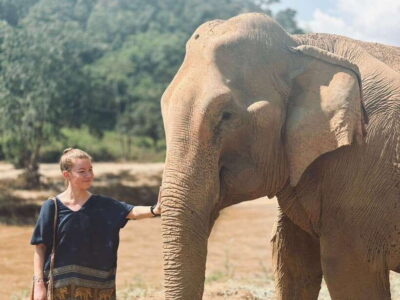
Elephant Sanctuary, Long Neck & Sticky Waterfall
Read our review →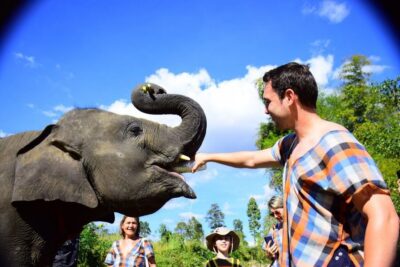
Browse the lists this tour appears in