
Reviewed · NORTHERN THAI COOKING CLASSES
Morning Cooking Class in Traditional Pavilion with Beautiful Garden – Chiang Mai
Fresh herbs beat any cooking show trick.
This morning class in Chiang Mai pairs a market ingredient hunt with a hands-on session on an organic farm, all in a calm, garden-filled setting. You’ll learn what to look for, how Thai flavors are built, and then you cook your own dishes with step-by-step guidance. One nice bonus is the small group setup, so you actually get time at your station instead of watching.
My only caution is pickup timing. One report showed a transfer pickup that did not happen, so if you’re counting on a hotel pickup, double-check your details the day before so you are not left waiting.
In This Review
- Quick highlights you will care about
- Start at Tha Phae Gate, and why the morning timing helps
- Market shopping: learning Thai ingredients you can taste later
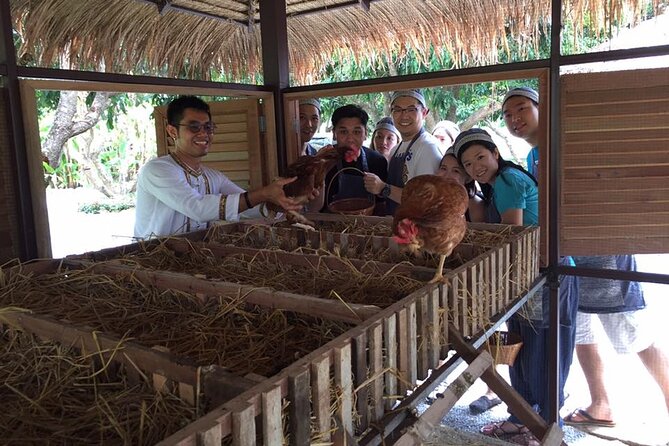
- Organic farm time: herbs, mushrooms, and egg collecting
- The pavilion kitchen: small group cooking with real coaching
- What you actually cook: soup, stir-fry, curry, plus dessert served
- How the menu choice works
- Taste lessons you can use back in Chiang Mai, then at home
- Price and value: is $50.50 worth it?
- Logistics you should plan for, especially pickup and weather
- Should you book this morning cooking class in Chiang Mai?
- FAQ
- What is the duration of the Chiang Mai morning cooking class?
- Where does the experience start?
- What time does it start?
- Is pickup offered?
- How many people are in the group?
- What will I cook during the class?
- Is dessert included?
- Can the menu change?
- What if the weather is bad?
- What is the cancellation policy?
Quick highlights you will care about
- Market first: choose ingredients with an instructor who talks you through what matters
- Organic farm tasks: you can learn about Thai herbs, plus harvest mushrooms and collect chicken eggs
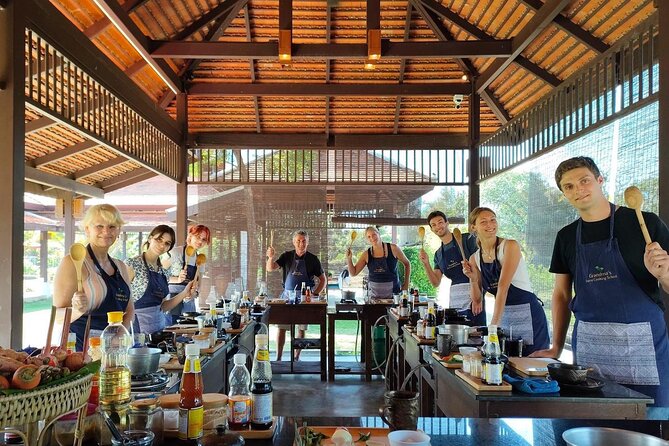
- Max 8 people: small group cooking with individual stations
- Hands-on Thai cooking: you cook 3 dishes, typically a soup, stir-fry, and curry
- Dessert included: mango sticky rice is listed as the dessert served
Start at Tha Phae Gate, and why the morning timing helps
You meet at Tha Phae Gate on Tha Phae Road, with the experience starting at 9:00 am. It is the kind of morning plan that makes Chiang Mai feel less like a checklist and more like a relaxed rhythm: market, farm, cook, eat, done.
A 4-hour block is also a sweet spot for your schedule. You get the full Thai cooking experience without stealing your whole day. And because you begin early, the city is still waking up, which makes the market stop feel focused instead of crowded.
If pickup is offered to you, it is worth treating that as a convenience, not a guarantee. At least one person had to scramble because a transfer did not arrive. I’d still plan to be proactive: confirm where the pickup driver will be waiting and what name the driver will use, so you can enjoy the morning instead of managing logistics.
Market shopping: learning Thai ingredients you can taste later
The class kicks off with a trip to a local market. This is not a random stroll where you take photos and hope for inspiration. In the market, your instructor explains the basic ingredients used in Thai cuisine and how to select them, which is exactly where most home cooking wins happen.
What I like about this part is that it gives you a framework. Thai dishes often depend on small things: fresh herbs that smell right, aromatics that are not past their prime, and ingredients that change flavor when you choose them well.
In practice, you will see categories of ingredients tied to the dishes you will cook later. For example:
- For soups like Tom Yam (hot and sour) and Tom Kha (coconut soup), the balance depends on aromatics and herbs.
- For stir-fry style dishes such as Pad Thai (Thai stir-fried rice noodles), you need the right noodle type and supporting ingredients.
- For curries like Green Curry and Red Curry, fresh elements and paste flavor are everything.
You also learn the human side of cooking. Markets teach you which ingredients are meant to be bright, fragrant, and fresh. Even if you never buy everything again, you will start recognizing what makes a Thai kitchen taste Thai.
Market run first, then into the kitchen
- Half-Day Thai Cooking Class at Organic Farm in Chiang Mai★ 5.0 · 19,087 reviews
- Chiang Mai: Cooking Class, Market & Thai Herbs Garden Tour★ 4.9 · 4,824 reviews
- Chiang Mai: Authentic Cooking Class with Market & Farm Visit★ 4.9 · 4,546 reviews
- Thai and Akha Cooking Class in Chiang Mai★ 5.0 · 4,358 reviews
Organic farm time: herbs, mushrooms, and egg collecting
After the market, you drive to the organic farm. This is where the experience turns from “learn about food” into “live near food.”
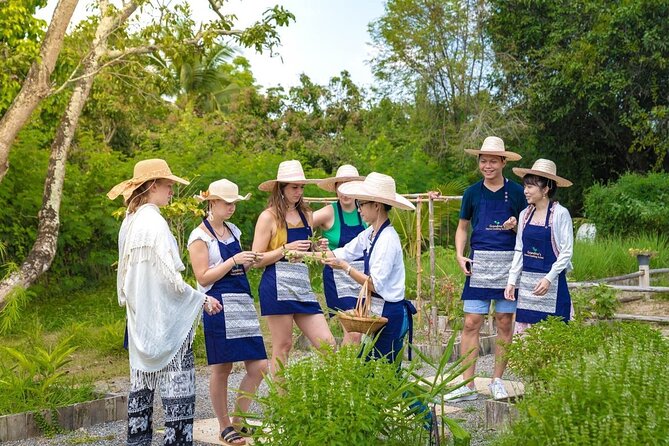
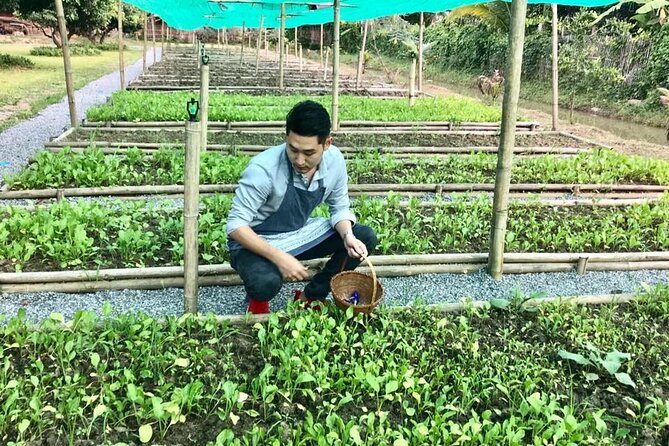
On the farm, you learn about Thai herbs and vegetables, and you get hands-on tasks such as harvesting mushrooms and collecting chicken eggs. That sounds simple, but it changes your attitude toward the cooking. When you pick an ingredient yourself, you stop treating it like a decoration. You pay attention to texture and freshness in a way that carries into the kitchen.
The farm setting also matters. One of the best comments in the provided feedback was about the place feeling clean and well kept, and the overall experience feeling aesthetic, meaning it was organized and comfortable, not chaotic. That matters because you are here to learn, and you do not want to spend your energy stepping around mess.
What you gain from the farm portion:
- You understand where herb flavors come from, not just which bottle to buy later.
- You see basic farming life, which makes Thai food feel less like takeout and more like daily culture.
- You get a calm pace that sets you up for cooking without rushing.
A small note: this part is weather-dependent in the sense that the whole experience requires good weather. If it is rainy or unsafe, you will need to accept a schedule adjustment or refund option as provided.
The pavilion kitchen: small group cooking with real coaching
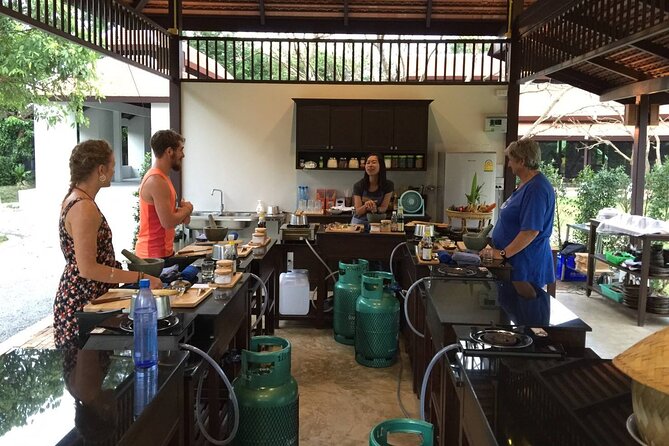
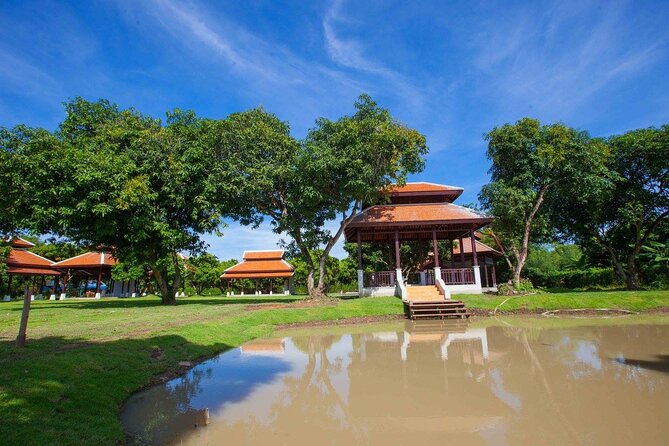
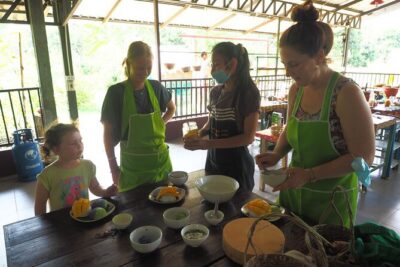
Back in the cooking area, you cook in a traditional pavilion setting with a beautiful garden. Each person has their own cooking station, which is a big deal for a class like this.
With a maximum of 8 participants, the instructor attention feels practical. In a larger class, you often end up waiting while others catch up. Here, the step-by-step demonstration model is set up so you can actually follow the process, then perform it yourself.
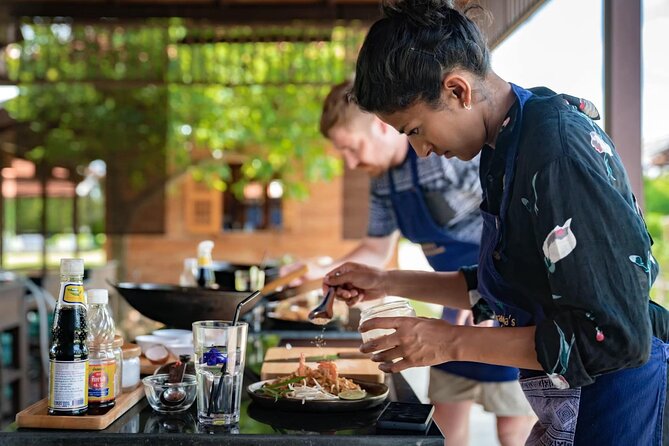
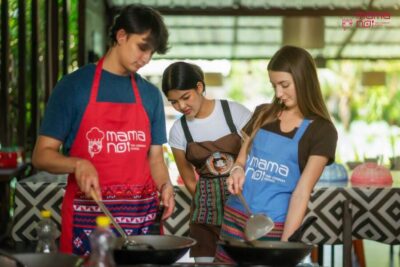
Your instructors demonstrate techniques first, then it’s your turn. That matters because Thai cooking is method-driven. Timing, heat control, and the order of adding ingredients affect the final taste. When you do it yourself, you learn the feel of it: when something needs to sizzle, when it should simmer, and when you should stop before it turns dull.
One nice detail from the positive feedback: the guide came across as nice and funny. That kind of energy helps, because cooking classes can feel intimidating if you worry you will mess up. When the atmosphere stays light, you spend less time panicking and more time learning.
Temples are quieter before the heat sets in
- Chiang Mai: Doi Suthep, Wat Umong, and Pha Lat Sunrise Tour
★ 4.7 · 1,425 reviews - Wat Phra That Doi Suthep spiritual Sunrise Tour with an Ex-monk
★ 5.0 · 798 reviews - Spiritual Sunrise Wat Doi Suthep, Pha Lat, Alms & Meditation
★ 4.9 · 674 reviews
What you actually cook: soup, stir-fry, curry, plus dessert served
This is the core of the value. You will cook 3 dishes plus dessert served.
The class is described as covering dishes such as:
- Tom Yam (hot and sour soup)
- Tom Kha (coconut soup)
- Pad Thai (Thai stir-fried rice noodles)
- Green Curry
- Red Curry
- and dessert such as Mango Sticky Rice
You should also expect that the menu can change based on season and ingredient availability. That is normal in Thailand, and it is also a good sign, because it means you are not being fed a fixed script that depends on imported ingredients no one can get.
How the menu choice works
The information provided indicates you select from dish categories and cook dishes in line with soup, stir-fry, and curry, while dessert is served. Practically, this means you will get a guided cooking flow for these major flavor families:
- Soup: often sour, fragrant, and bold, like Tom Yam or the creamy-herbal notes of Tom Kha
- Stir-fry: a quick-heat dish such as Pad Thai, where balancing sauce and texture is key
- Curry: a fragrant, simmered dish such as Green Curry or Red Curry, where paste flavor and coconut balance matter
- Dessert: mango sticky rice, served
Even if your exact dish lineup differs slightly day to day, the cooking lessons you take home stay relevant, because you learn the underlying techniques.
Taste lessons you can use back in Chiang Mai, then at home
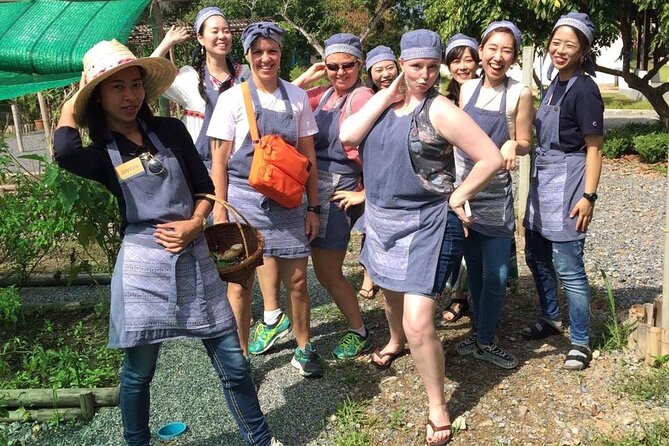
This class is not just about getting a meal. It teaches you how Thai flavor is built, which is what you want if you plan to eat Thai food after.
Here are the practical takeaways you should look for while cooking:
- Fresh aroma matters. When herbs and aromatics smell correct at the start, the dish tastes correct later. The market and farm steps reinforce this.
- Heat control is everything. Stir-fry dishes like Pad Thai depend on fast cooking and quick balance, not slow hovering.
- Balance beats complexity. Thai cooking often feels complex, but the lesson is usually balance: sour plus spice plus savory in soups, or curry paste plus coconut plus salt and sweetness in curries.
- Order of adding matters. In curry and soup, timing changes how the aromatics bloom and how the coconut integrates.
If you like the idea of learning, then eating your way through Chiang Mai after class becomes easier. You start spotting why one Tom Yam feels sharper and another feels rounder. You can even use the ingredient categories you learned in the market to guide what you order.
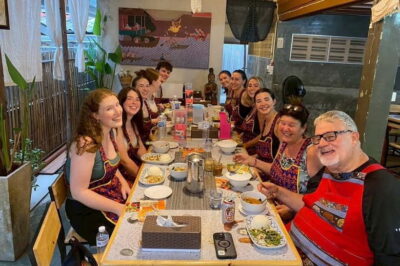
And because you will be cooking in a calm, small-group setting, you get the chance to ask questions in real time. That is the kind of learning that sticks.
Price and value: is $50.50 worth it?
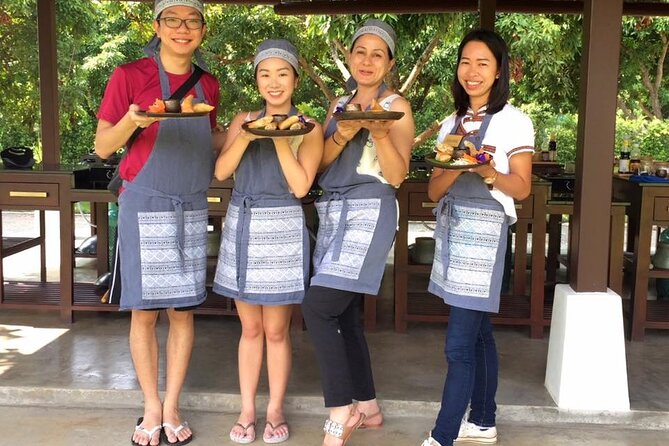
At $50.50 per person for about 4 hours, this is not a budget street-food snack. You are paying for three things you usually cannot get together in one trip:
- a market component where someone explains ingredient selection
- a hands-on farm component that includes harvesting mushrooms and collecting eggs
- private-feeling cooking stations for a small group, plus instructors who demonstrate techniques step by step
For Chiang Mai, cooking classes are common, but the best value is when you get more than a single cooking session. Here, the farm work makes the whole experience feel like a complete food journey rather than a single kitchen lesson.
Is it perfect value for everyone? Not always. If you mainly want to eat your way through the city and do not care about understanding ingredients, a class like this may feel like more structure than you want. But if you want skills you can repeat, you are paying for that skill-building.
Also keep in mind that the menu can change due to ingredients and season. That can actually help you learn the real-world version of Thai cooking, not just a fixed menu that never changes.
Logistics you should plan for, especially pickup and weather
The activity ends back at the meeting point near Tha Phae Gate, and it typically starts at 9:00 am. The plan is designed as a loop: city market, farm area, cooking pavilion, back again.
Pickup is offered, and there is also a mention of being near public transportation. If you want maximum control, you can plan to arrive at the meeting point yourself. If pickup is important to you, I would still double-check pickup confirmation and the exact pickup spot.
Weather is another practical consideration. The experience requires good weather, so if it is not suitable, you may be offered another date or a refund, depending on how the provider handles it.
Finally, group size is capped at 8 travelers. That cap affects your experience directly. When the group is small, the instructors can watch what you are doing, not just explain it.
Should you book this morning cooking class in Chiang Mai?
I’d book it if you want a hands-on morning with a clear learning payoff. The combination of market guidance, organic farm work (including mushrooms and eggs), and cooking multiple Thai dishes in a small group is exactly the kind of structured authenticity that makes you feel more connected to Chiang Mai than a quick tour bus ride.
Skip or reconsider if you are very sensitive to schedule disruptions. The data includes at least one missed pickup situation, so if you rely on pickup arriving on time, confirm everything in advance, or be ready to meet at Tha Phae Gate yourself. Also, if you hate weather uncertainty, keep your morning flexible since the class requires good conditions.
Overall, for $50.50, you are getting far more than a meal. You are getting a food workflow, from selecting ingredients to cooking soup, stir-fry, and curry, then finishing with mango sticky rice served. If you like Thai food and want to understand why it tastes the way it does, this one is a solid bet.
FAQ
What is the duration of the Chiang Mai morning cooking class?
It runs for about 4 hours.
Where does the experience start?
You start at Tha Phae Gate on Tha Phae Road in Chiang Mai, and it ends back at the same meeting point.
What time does it start?
The start time is 9:00 am.
Is pickup offered?
Pickup is offered, and a mobile ticket is used.
How many people are in the group?
The group size is limited to a maximum of 8 travelers.
What will I cook during the class?
You will cook 3 dishes, covering a soup, a stir-fry, and a curry. Specific options include items like Tom Yam, Tom Kha, Pad Thai, Green Curry, and Red Curry, depending on season and ingredient availability.
Is dessert included?
Yes. Dessert is served, and mango sticky rice is listed as the dessert.
Can the menu change?
Yes. The menu may change based on the season and the availability of ingredients.
What if the weather is bad?
The experience requires good weather. If it is canceled due to poor weather, you will be offered a different date or a full refund.
What is the cancellation policy?
You can cancel for a full refund up to 24 hours before the experience starts. If you cancel less than 24 hours before, the amount paid is not refunded.
Fresh listings for Chiang Mai
- Skydive Chiang Mai★ 5.0 · 1 review
- One day hiking tour in Chaing Mai★ 5.0 · 1 review
- One Day Non Tourist Trek 100% Guarantee★ 5.0 · 1 review
- Chiang Mai to Chiang Rai (Private 3 day Tour)★ 5.0 · 1 review
- San Kamphaeng Hot Springs and Thai Handicraft Tour from Chiang Mai★ 5.0 · 1 review
- Half day Doi Suthep Temple & Mae Ping River cruise (Private)★ 5.0 · 1 review
Northern Thai Cooking Classes, compared.
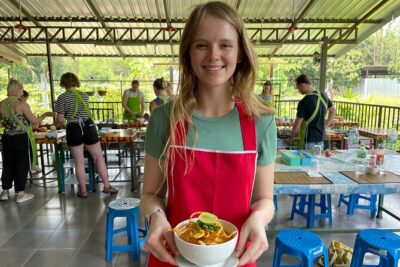
Half-Day Thai Cooking Class at Organic Farm in Chiang Mai
Read our review →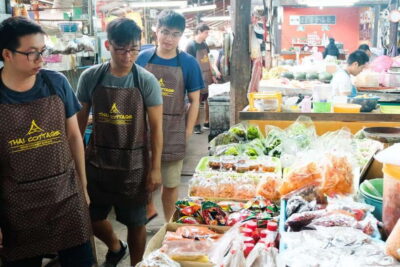
Cooking Class, Market & Thai Herbs Garden Tour
Read our review →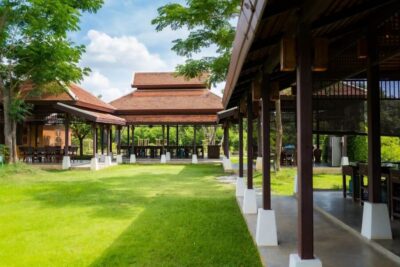
Authentic Cooking Class with Market & Farm Visit
Read our review →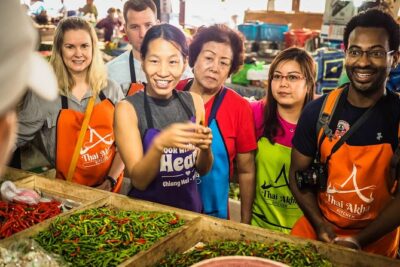
Full Day Thai Cooking at Farm (Chiang Mai)
Read our review →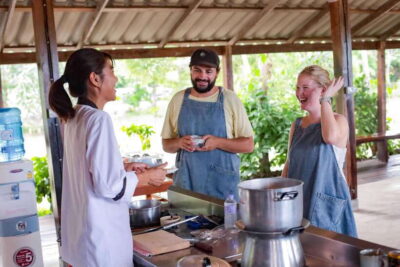
Browse the lists this tour appears in