
Reviewed · ETHICAL ELEPHANT SANCTUARY TOURS
Rantong elephant sanctuary Chiangmai
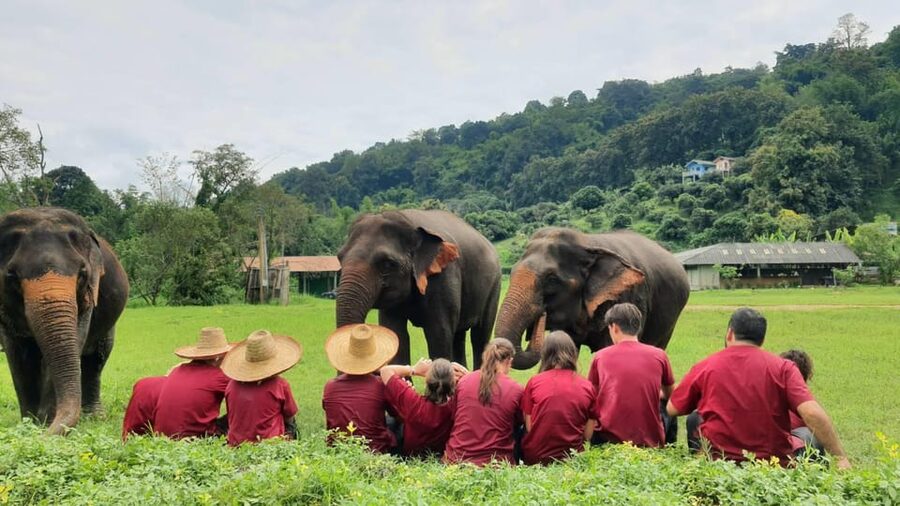
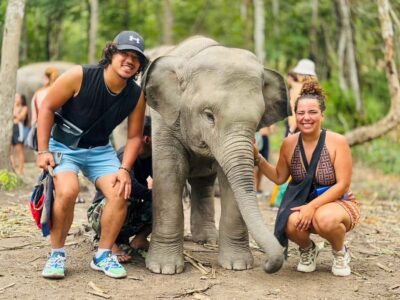
Elephants, up close, in a rescue camp. Rantong Elephant Sanctuary in Chiang Mai Province is built around a rescue mission, and you spend real time walking among the elephants and hand-feeding them with experienced guidance. It also skips the common tourist add-on: there is no horseback riding, which makes the whole experience feel more in line with a gentle, hands-on day.
One thing to consider is fit with your comfort level. This program involves close interaction, including bath time, and one person raised doubts about the ethical-santuary label, so you should go in with a critical eye and think about what you feel is respectful care.
In This Review
- Key Things You’ll Notice at Rantong Elephant Sanctuary
- Where Rantong Elephant Sanctuary Fits in Chiang Mai
- Entering The Rescue Camp Model: Love, Understanding, and Real Interactions
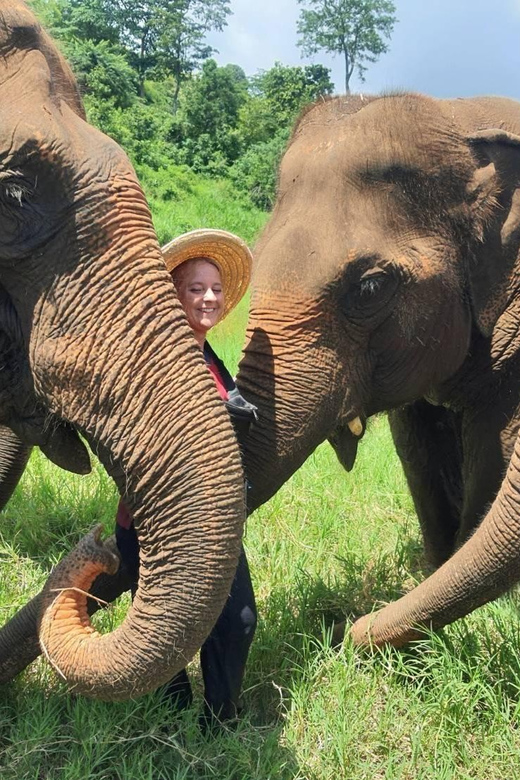
- Walking and Hand-Feeding: The Part Most People Remember
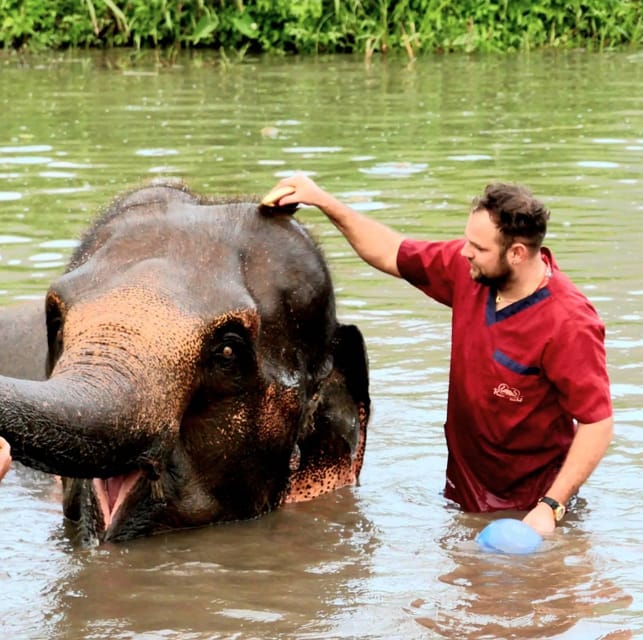
- Bathing Time: Fun, Wet, and Very Hands-On
- The 4-Hour Itinerary: How the Day Is Structured
- The Meal Break: Traditional Thai Lunch or Dinner Included
- Price and Value: What $57 Buys You in Real Life
- Ethical Checks You Can Do Before You Go
- What to Pack and How to Prepare for a Wet, Close-Day
- Who This Tour Suits Best (And Who Might Skip It)
- Should You Book Rantong Elephant Sanctuary in Chiang Mai?
- FAQ
- How long is the Rantong Elephant Sanctuary program?
- What is included in the price?
- Where do I get picked up?
- What activities are part of the experience?
- What languages are the live tour guides?
- Is free cancellation available?
Key Things You’ll Notice at Rantong Elephant Sanctuary
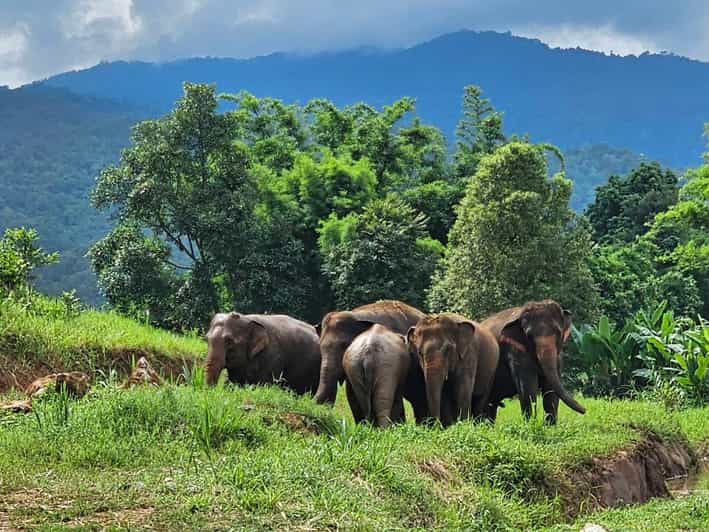
- Rescue-first mission: The camp’s focus is on abused, injured, and maltreated elephants, and your visit is framed as support.
- Walking and hand-feeding: You’re not watching from a distance. You’re part of the day, under guide direction.
- Bathing time is part of the deal: Expect wet, hands-on contact, plus gear to get you through it.
- No horseback riding: The experience avoids riding, so the elephant-human interaction is centered on walking and care.
- Half-day meal included: You’ll get Thai lunch on the morning program, or dinner on the afternoon program.
- Pickup from Chiang Mai Old City: Transportation is included, and it’s within a short radius of the Old City area.
Where Rantong Elephant Sanctuary Fits in Chiang Mai
If you’re in Chiang Mai, you’ll quickly notice there are a lot of elephant-related options, from highly commercial shows to hands-on camps. Rantong Elephant Sanctuary sits in the “care and interaction” category, with a stated goal of rescuing abused, injured, and maltreated elephants and giving them a life they deserve. That mission matters because it shapes what your day feels like: less about performance, more about meeting animals as individuals.
You’ll also like the pace. This is a 4 hour, half-day style program, so it does not hijack your whole day. That gives you time afterward to explore Chiang Mai at your own speed, whether that means wandering the Old City streets or grabbing a drink somewhere local. The camp also includes transportation, and that ride is part of the experience because it gives you a look at how Chiang Mai looks beyond the main tourist core.
That said, elephant sanctuaries are an emotional topic. One person had a gut-level conflict with the ethical-santuary label. You do not have to ignore that. I’d treat it as a prompt: go in ready to ask yourself whether the kind of interaction you’re doing matches your definition of respectful care.
Entering The Rescue Camp Model: Love, Understanding, and Real Interactions
The core message at Rantong is simple: the elephants are there because they needed help, and your presence is positioned as part of that recovery story. The program is described as rescue-focused, and it emphasizes that the elephants need love and understanding. The camp also states that you do not need special training to participate, which is a big deal if you’re worried about “am I going to mess this up” stress.
In practical terms, this matters because the day is designed around guide support. You’re not left to figure things out on your own. Your live tour guide is there in English and Chinese, and the camp describes guides as extremely experienced, with a goal of making you comfortable getting closer to the elephants.
I like how that sets expectations. You’re going to be close to the animals. You’re also going to be doing specific activities, like feeding and bathing. So the question is less about skills and more about attitude. Bring a calm, respectful mindset and follow instructions closely. If you’re the type who gets flustered by animals being unpredictable, you’ll want to slow your pace and trust the guide.
Feed and bathe elephants, no riding involved
- Chiang Mai: Elephant Sanctuary, Waterfall & Bamboo Rafting★ 4.9 · 9,160 reviews
- Chiang Mai: Elephant Sanctuary & Waterfall Group Tour★ 4.9 · 5,780 reviews
- Chiang Mai: Elephant Sanctuary Feeding Program Half-Day Tour★ 4.8 · 4,527 reviews
- Chiang Mai: Elephant Sanctuary, Long Neck & Sticky Waterfall★ 4.9 · 2,262 reviews
Walking and Hand-Feeding: The Part Most People Remember
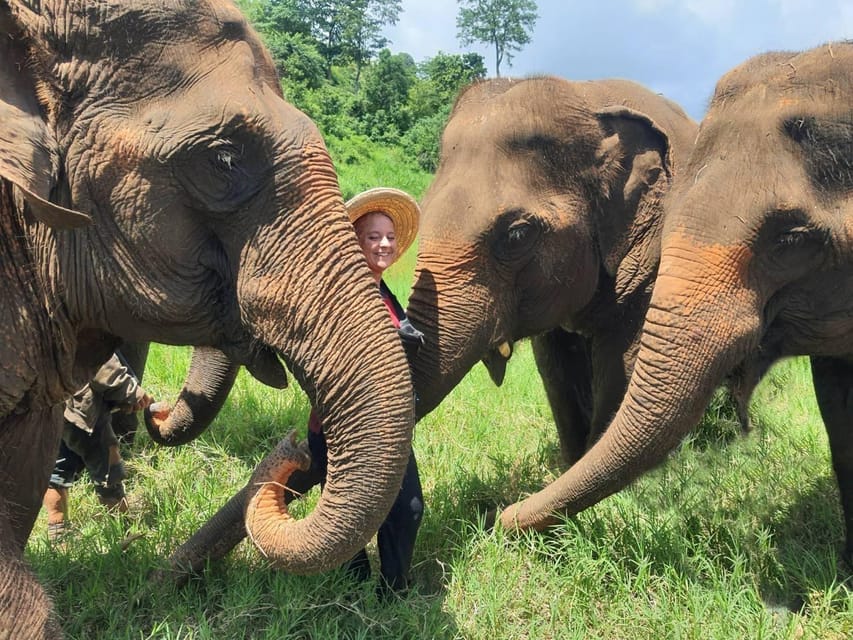
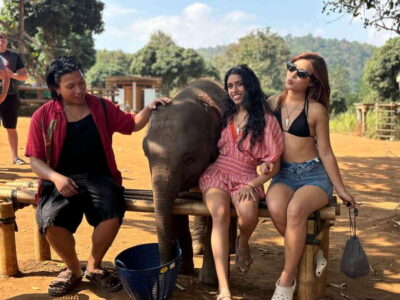
The headline activities are walking among and hand-feeding elephants. This is the heart of why this kind of sanctuary visit draws people in. Watching an elephant from afar is impressive, but it’s not the same as standing near one while it chooses what to do next. If you like animal encounters that feel interactive, you’ll probably love this.
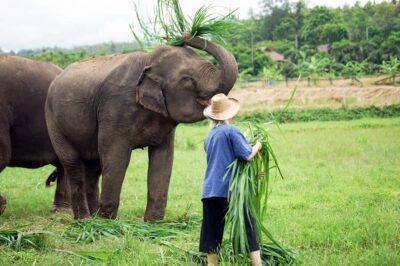
Here’s what you can expect in the flow of the program: you’ll be with your guide through camp activities that include walking and interacting, and you’ll feed the elephants as part of the experience. The camp includes food for feeding, so you’re not trying to bring your own snacks or figure out what’s safe. You’ll also get water during the day, which is a small but important detail when you’re spending your time close up and moving around.
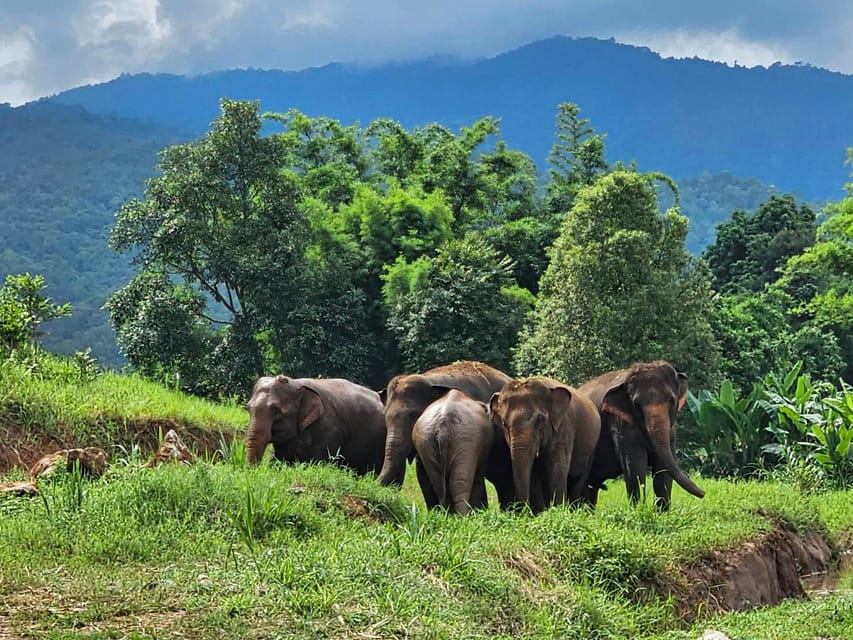
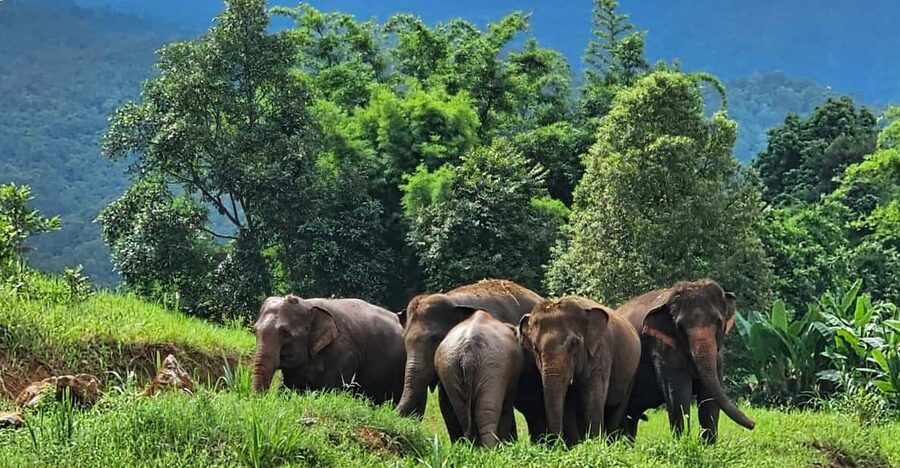
One of the reviews described the elephants as gentle and intelligent, and another highlighted that the elephants roam freely in a beautiful location where rescued animals can live more naturally. I can’t confirm the exact movement pattern for every day, but the overall promise is clear: the interaction is not a trick act, and you’re meant to observe the elephants’ character rather than force a staged behavior.
What to consider: this is still an encounter where a large animal is in the same space as you. So think practical. Keep your body language calm, listen for guide directions, and avoid sudden movements. If you’re traveling with kids, make sure they understand that patience matters here.
Bathing Time: Fun, Wet, and Very Hands-On
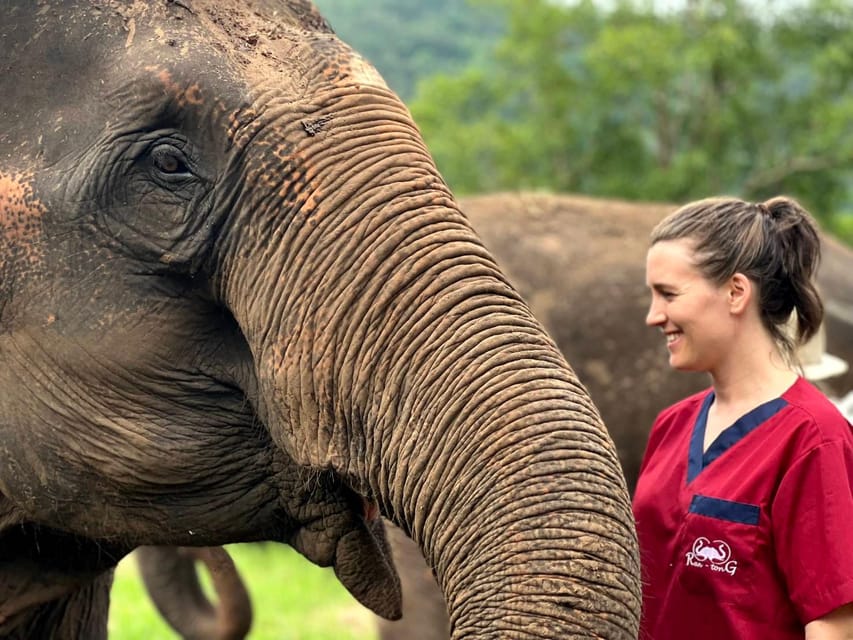
Bathing is included as part of the program experience. That matters because bathing changes the feel of the visit. It’s not only about viewing and feeding. You’ll be closer, you’ll get wet, and you’ll need to be comfortable with that.
The camp provides drinking water and also includes clothes to change during the activity, which is exactly the kind of practical support you want. One review also mentioned towels and bath gel being offered. So plan to show up ready to get wet and then get refreshed afterward.
A quick reality check for your decision-making: if you have issues with close contact or you dislike getting muddy or soaked, this tour can feel like too much. If you’re comfortable with hands-on activities and you treat it as part of the elephants’ care routine, it can be one of the most memorable moments of the day.
Add a day trip while you're up north:
- Half-Day Thai Cooking Class at Organic Farm in Chiang Mai
★ 5.0 · 19,087 reviews - Chiang Mai: Doi Inthanon National Park Eco-Friendly Tour
★ 4.6 · 6,667 reviews - Chiang Mai: Chiang Rai Temples, Karen Tribe and Hot Springs
★ 4.7 · 5,401 reviews
The 4-Hour Itinerary: How the Day Is Structured
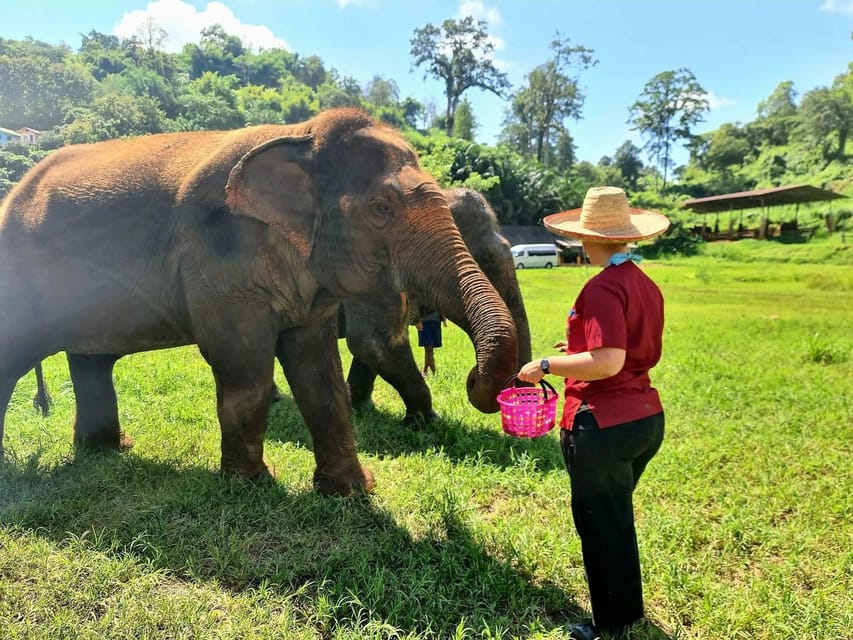
Rantong is built as a clean half-day program, starting with pickup in the Chiang Mai Old City area. Pickup is included for hotels or accommodations within 3 kilometers of the Old City, so you’ll likely avoid long transfers through traffic right away. You get a live tour guide on the day, and the program runs about 4 hours total.
From there, your time is focused on the camp and the elephant interactions. The day’s stated elements include a Chiang Mai visit, coffee or tea, lunch or dinner depending on which half-day you book, a guided tour, a walk, and camp activities. It’s not a lecture-heavy day. It’s more like a managed sequence of activities where you’re actively participating with support.
What makes this structure good value for you is that it bundles several small needs into one package:
- Transportation to and from your pickup point
- A guide to help you interact safely and confidently
- A meal (Thai lunch or Thai dinner depending on the session)
- Water and gear so you can do the wet parts without ruining your day
The only drawback to the structure is also the nature of a short visit: you won’t get unlimited time with the elephants. If you’re the type who wants an entire day of observation and slow, quiet watching, you might feel the 4 hour limit. But if you want a focused, well-supported introduction to elephant interaction, this time block fits nicely.
The Meal Break: Traditional Thai Lunch or Dinner Included
The program includes traditional Thai lunch for the morning half-day, and dinner for the afternoon half-day. That’s a meaningful convenience because it removes the need to figure out food timing around transport and activities.
I also like that the meal is included in the same price. In Chiang Mai, food options are plentiful, but paying extra for meals and then still paying for transport and a guide can add up. Here, you’re getting a full service experience for about $57 per person, at least on paper, and the meal is part of that.
A practical tip: if you’re sensitive to spice or you’re picky about heat, take a moment to communicate your preferences to the guide at the start. You’ll often have an easier time when you ask early instead of waiting once you’re seated.
Price and Value: What $57 Buys You in Real Life
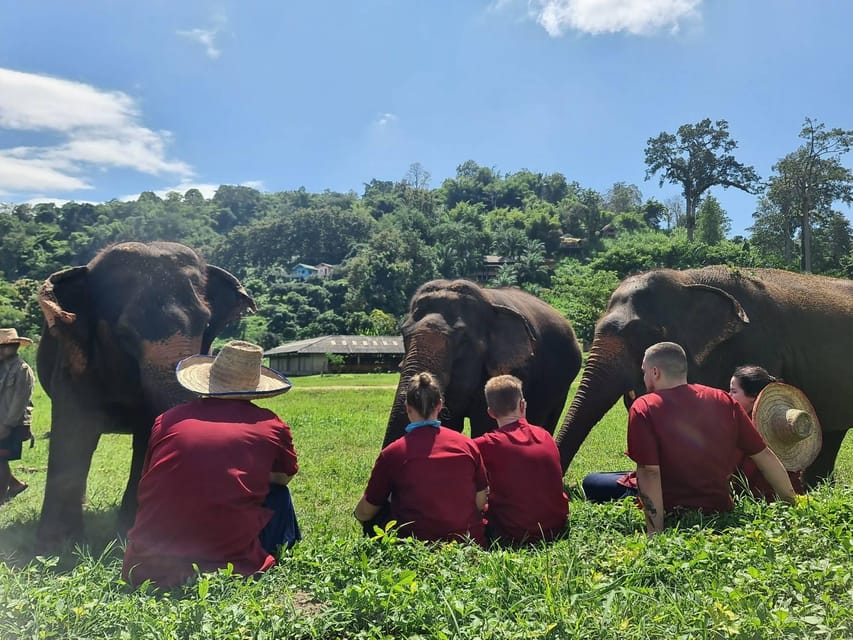
At around $57 per person for a 4 hour program, the price can feel fair or high depending on what you compare it to. The smart comparison is not just the elephant part, it’s the full bundle:
- Insurance included
- Live tour guide (English and Chinese)
- Transportation included from the Old City area
- Water during the activity
- Clothes to change for the wet part
- Food for feeding the elephants
- Lunch or dinner depending on the session
When you add it up, you’re basically paying for a guided, transport-included, meal-included half-day experience with wet activities. You’re also not paying extra for feeding items, which matters because a lot of animal encounters require you to purchase additional add-ons.
Is it cheap? No. But it’s not only an entry ticket. You’re buying access to interaction, time with the elephants, and a structured day with support.
Ethical Checks You Can Do Before You Go
Because one participant expressed concern about the ethical-santuary label, I think it’s smart to do your own quick check before committing. You can do this without being confrontational. Just treat it like responsible travel.
Here are safe questions to ask your guide on pickup or before the camp activities:
- What parts of the elephants care routine are you participating in?
- How are interactions managed so the elephants can rest and move freely?
- What should I do to keep the experience calm for the elephants?
- If bathing is included, what is your approach to safety and hygiene for both people and elephants?
You can also judge by how the day is run. Look for calm behavior, clear guidance, and respect for the elephants’ space. If the day feels rushed, chaotic, or overly performance-driven, that should raise a flag for you. If everything feels quiet, structured, and centered on care, you’ll likely feel more comfortable.
What to Pack and How to Prepare for a Wet, Close-Day
This is not a sit-in-a-bus-and-watch kind of tour. You’ll walk, feed, and bathe. So pack like you mean it.
What to bring:
- A change of clothes is handled for you by the camp, but bring comfy quick-dry clothes if you can
- Flip-flops or water-friendly sandals for getting wet and walking around
- A small towel of your own if you’re picky about comfort, even though towels may be provided during bathing
- Sunscreen and a hat, because you’ll be outdoors during part of the day
What to plan emotionally:
- Expect the elephants to be strong and present, not like a petting zoo
- Follow guide directions closely, especially during hand-feeding and bathing
Who This Tour Suits Best (And Who Might Skip It)
Rantong Elephant Sanctuary is a strong match if you want:
- Hands-on time with elephants, including walking and hand-feeding
- A no-riding approach, since horseback riding is not part of this program
- A guided, structured half-day that includes transport and a meal
It may not be a perfect fit if:
- You are uncomfortable with close contact and bathing time
- You prefer long viewing hours with minimal interaction
- You need a very specific definition of ethical animal care before you’ll feel good about any elephant program
For families, it can work well if kids can listen and stay calm. For solo travelers, it’s also a good choice because the guide handles the “what now” moments, and you’re not stuck trying to coordinate a visit.
Should You Book Rantong Elephant Sanctuary in Chiang Mai?
I’d recommend booking if you want an active, guided half-day that centers on rescue and hands-on elephant care, without horseback riding. The included meal, transportation from Old City, insurance, and support like clothes to change make it feel like more than just a ticket price. And the walking and hand-feeding are exactly the kind of experience that tends to stick with you.
I’d pause before booking if you know close contact and bathing are deal breakers for you, or if you’re uneasy with any “ethical sanctuary” label. In that case, message the provider or ask your guide direct questions about how care is handled, how interactions are managed, and whether elephants can rest.
If you go with the right attitude, this is the sort of day that reminds you why Chiang Mai draws people in the first place, elephants included.
FAQ
How long is the Rantong Elephant Sanctuary program?
The duration is 4 hours.
What is included in the price?
The price includes insurance, lunch for the half day morning program (or dinner for the half day afternoon program), drinking water and clothes to change during the activity, food to feed the elephants, and transportation.
Where do I get picked up?
Pickup is included from your hotel or accommodation within 3 kilometers of Chiang Mai Old City.
What activities are part of the experience?
The program includes guided tour activities such as walking among the elephants, hand-feeding, and bathing, with no horseback riding.
What languages are the live tour guides?
The live tour guide is available in English and Chinese.
Is free cancellation available?
Yes, you can cancel up to 24 hours in advance for a full refund.
Fresh listings for Chiang Mai
- Skydive Chiang Mai★ 5.0 · 1 review
- One day hiking tour in Chaing Mai★ 5.0 · 1 review
- One Day Non Tourist Trek 100% Guarantee★ 5.0 · 1 review
- Chiang Mai to Chiang Rai (Private 3 day Tour)★ 5.0 · 1 review
- San Kamphaeng Hot Springs and Thai Handicraft Tour from Chiang Mai★ 5.0 · 1 review
- Half day Doi Suthep Temple & Mae Ping River cruise (Private)★ 5.0 · 1 review
Ethical Elephant Sanctuary Tours, compared.
Elephant Sanctuary, Waterfall & Bamboo Rafting
Read our review →
Elephant Sanctuary Feeding Program Half-Day Tour
Read our review →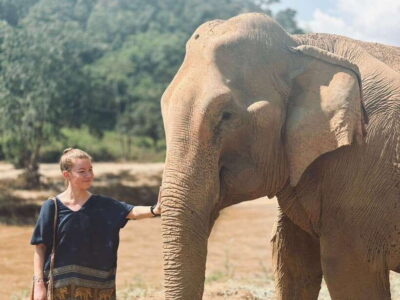
Elephant Sanctuary, Long Neck & Sticky Waterfall
Read our review →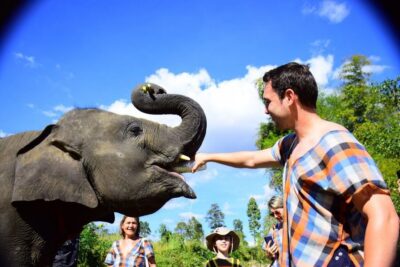

Browse the lists this tour appears in