
Reviewed · HIKING & TREKKING
Chiang Mai: 2 Days, 1 Night Non-Tourist Trek
Two days, no crowd in Chiang Mai. This non-tourist trek in Chiang Mai Province trades the usual “quick photo stops” for real jungle walking at higher elevation, small-group pacing, and hands-on nature time. You start early, meet elephants, cook in the forest, sleep with a hill-tribe family, then finish with a waterfall swim and bamboo rafting.
I love two parts most: the jungle cooking and the overnight stay with a local family. Cooking together in the jungle feels simple and real, and it also helps you slow down, notice what’s around you, and actually learn the ecosystem instead of just looking at it. And the homestay setting, with hill-tribe hosts and mountain views, makes the whole trek feel less like an organized excursion and more like you’re being welcomed into someone’s world.
One thing to plan for is comfort level, especially with rugged transport and rustic sleeping. Several people note the ride to the trail can be muddy and bumpy, sometimes with standing in the truck bed, and the night stay is basic, not a hotel.
In This Review
- Key things that make this trek worth your time
- Why this Chiang Mai jungle trek feels different from the usual days
- Day one, 7:00 to 7:30 pickup, elephant care, then straight into the jungle
- The jungle walk plus “cook your own lunch” is the best kind of education
- Evening campfire, lantern lighting, and a hill-tribe homestay night
- Day two: breakfast, a shorter trek, waterfall time, then rafting
- Gear, food, and transport: where your comfort plan matters most
- Price and value, is $144 actually fair?
- Who this Chiang Mai trek suits best, and who should think twice
- Should you book this non-tourist trek in Chiang Mai?
- FAQ
- What are the pickup and return times?
- How long is the trek, and does it include an overnight?
- How small is the group?
- What languages are used during the tour?
- What’s included besides transportation and guiding?
- What happens on the first day?
- What happens on the second day?
- What should you bring for this trek?
- Who is it not suitable for, and can you cancel?
Key things that make this trek worth your time
- Non-tourist trekking area and walking far from the usual crowds
- Small group size (limited to 14), which makes it easier to keep a steady pace
- Overnight with a hill-tribe family, plus campfire time and cultural lantern lighting
- Higher elevation trekking (around 2000 meters) where evenings can feel cooler
- Hands-on activities, including jungle cooking and bamboo rafting
Why this Chiang Mai jungle trek feels different from the usual days
Most Chiang Mai trekking options feel like a conveyor belt: one trail, a line of groups, quick stops, then back to town. This one is built around the idea that you want the real thing, away from crowds, with time to experience the jungle instead of sprinting through it.
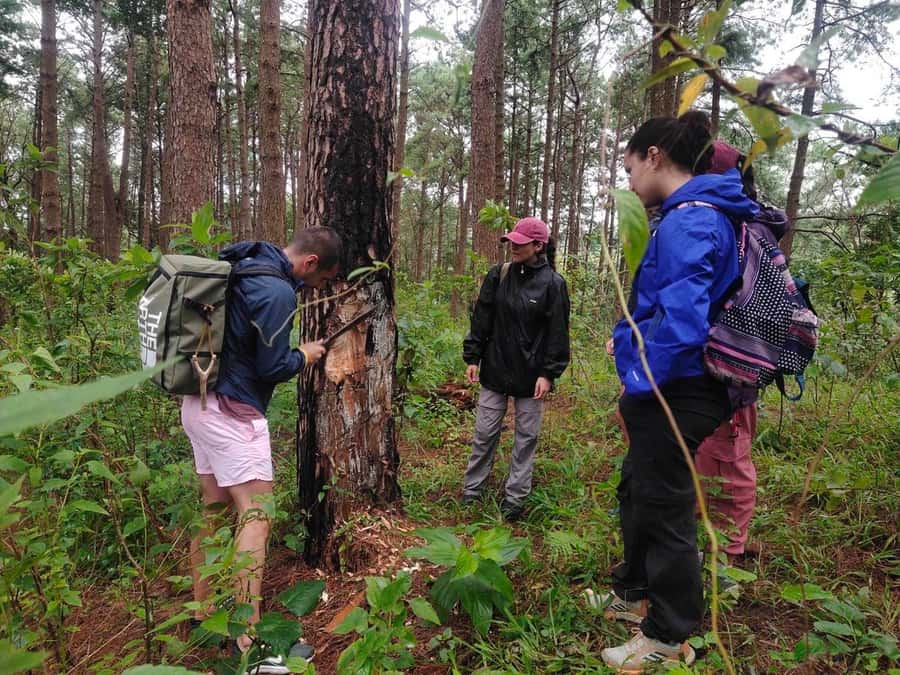
The biggest change is the vibe of the hike. You trek in a secret jungle area and spend multiple hours walking with a guide, plus you get eco-system education along the way. The higher elevation matters too. At around 2000 meters above sea level, the air can feel different, and that can make the early morning trekking either refreshing or a little chilly depending on season.
The second big difference is scale. With a small group limited to 14, you’re less likely to feel rushed. In practical terms, it also means the guide can point out plants, track what’s happening on the trail, and keep the group together when conditions change.
Day one, 7:00 to 7:30 pickup, elephant care, then straight into the jungle
Your day starts early. Pickup is typically between 7:00 and 7:30 AM from your hotel, so you’re already in motion before Chiang Mai’s traffic and heat get serious. This is also when the day’s pacing starts to feel more “trek” than “tour.” You’re not just being transported, you’re being staged for a day outdoors.
The first major stop is the elephant camp. Elephant care is included, and many people highlight the animal time as a meaningful part of the experience. After that, you transition from camp to walking. On the program, your first jungle trek runs about 3 to 4 hours, and you’ll learn about the eco-system around you as you go.
This is where the trip earns its name. You’re not hiking for views only. You’re hiking while learning how the jungle works, what to watch for, and how people interact with the forest. If you like nature, plants, and learning by doing, this structure helps.
Two days, enough time to leave the city
- Chiang Mai: 2-Day Jungle Trek with Elephant Farm & Raft Ride★ 4.7 · 881 reviews
- Chiang Mai 2-Day: Good Morning Elephant & Overnight Homestay★ 4.9 · 224 reviews
- Chiang Mai: 2-Days Jungle Trek, Waterfalls and Karen Village★ 4.8 · 103 reviews
- Chiang Mai 2-Day: Trekking, Tubing & Elephant Observation★ 4.9 · 95 reviews
The jungle walk plus “cook your own lunch” is the best kind of education
A lot of tours try to teach culture with a slideshow. Here, you get eco-system and local knowledge while your feet are moving. That combo tends to stick.
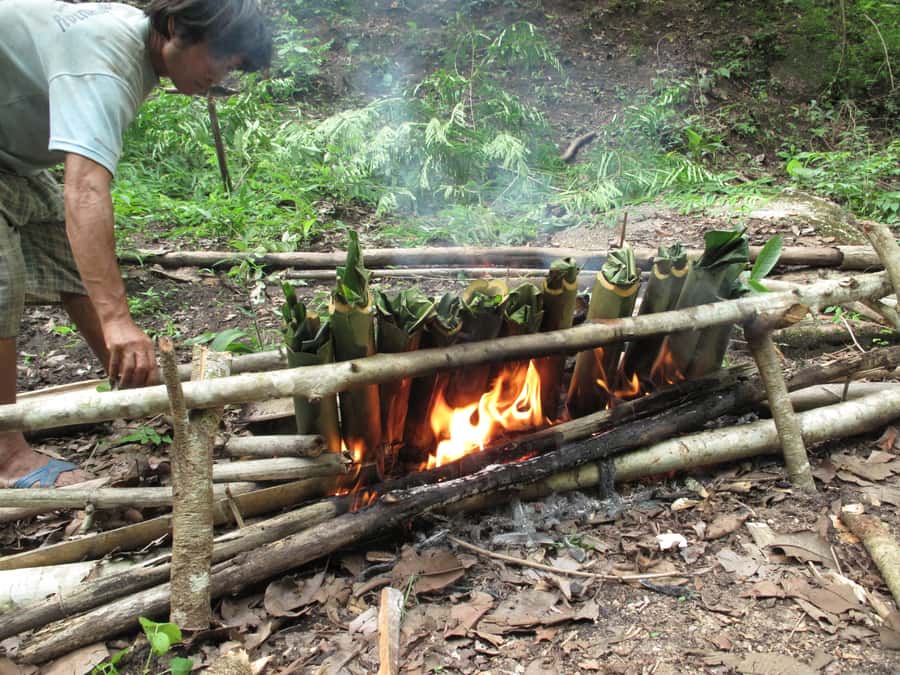
About halfway into your first day, you reach the cook-and-eat portion. You’ll cook and have lunch in the jungle. Then later, you cook and eat dinner together. People consistently mention the meals are tasty, with big portions, and some say vegetarians can be accommodated.
What I like about this for your planning is that it cuts down on “food logistics stress.” You’re not wondering where to grab lunch, or if you’ll find something that works for your tastes. It’s also a nice reset after trekking hours, because you can sit, eat, and actually look around without rushing.
You’ll also want to have your basics ready: sturdy shoes, water, and insect repellent. In the jungle, comfort comes down to small choices. Closed-toe shoes and long sleeves can help. And if rain shows up, a poncho-style layer is a lifesaver.
Evening campfire, lantern lighting, and a hill-tribe homestay night
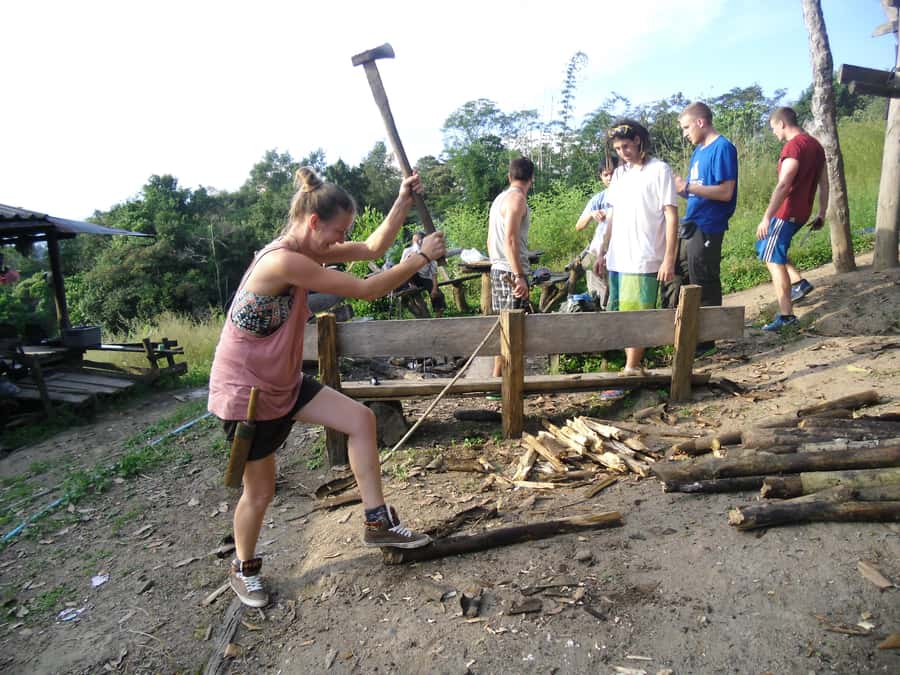
After your first full day, the night portion is what makes this feel more personal than a two-day hike. You’ll spend the evening with campfire time and traditional Thailand lantern release. Then you overnight in a cottage with a hill tribe family.
From the accounts I’ve seen, this is the moment people remember most. You’re not just sleeping in a lodge. You’re in a family setting, and the hosts often share daily life, hospitality, and local knowledge. Some groups specifically mention meeting Karen tribe family members and learning how they live.
Expect the accommodations to be rustic. That’s part of the deal. You may have basic facilities like mosquito netting and a simple shower, and you should plan for cooler conditions at night. One New Year’s Eve trip note called out that it gets cold at night, so bringing warm clothes matters more than you might expect.
If you’re sensitive about bathrooms, this is worth thinking through before booking. The experience can be unforgettable, but it is not a “resort bedtime” kind of stay.
A few more ways to fill a day here
- Chiang Mai: Doi Suthep and Wat Umong Enchanting Evening Tour
★ 4.6 · 1,811 reviews - Small-Group Chiang Mai Evening Street Food Tour
★ 4.5 · 826 reviews - Chiang Mai: Evening Cooking Class and Local Market Visit
★ 4.9 · 648 reviews
Day two: breakfast, a shorter trek, waterfall time, then rafting
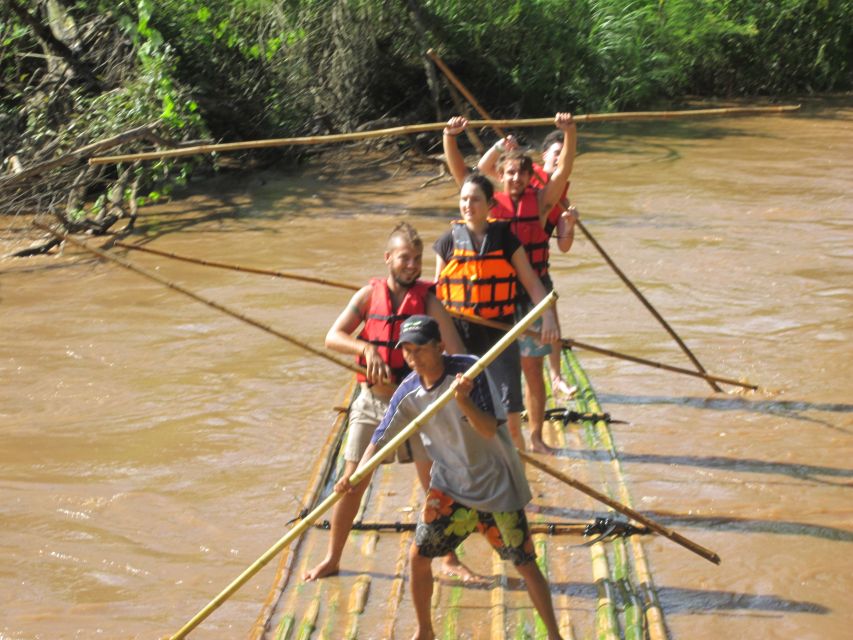
Day two starts with breakfast, plus coffee or tea. You’re then back on the trail with another jungle trek, about 2 to 3 hours. The second day walk tends to feel more focused and less chaotic, mainly because you already know what to expect from the first day.
After the trek, you have lunch, and then the schedule shifts into water time. You’ll swim and relax at a waterfall. This is a welcome change of pace, but still treat it like an outdoor activity. Bring swimwear and plan for wet gear changes.
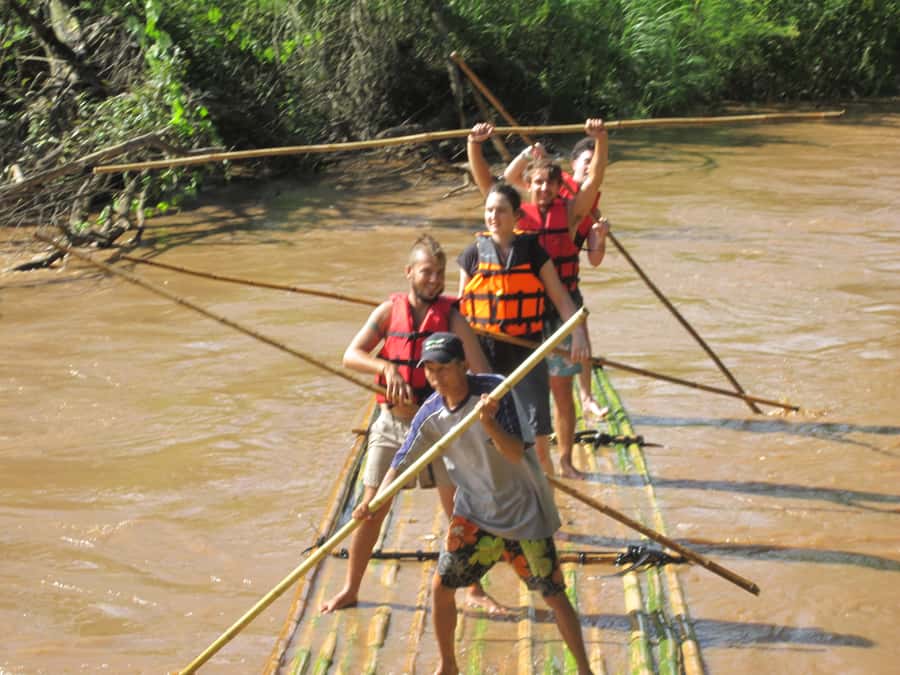
Then comes bamboo rafting, 30 to 45 minutes. This part gets described as fun and sometimes more relaxing than you’d guess, especially if you’re tired from trekking. You’ll feel the difference between land effort and water effort quickly, and it makes a good finish before returning to Chiang Mai.
You’ll head back to Chiang Mai around 5:00 to 5:30 PM, which helps if you want dinner plans afterward but still want a full day recovery.
Gear, food, and transport: where your comfort plan matters most
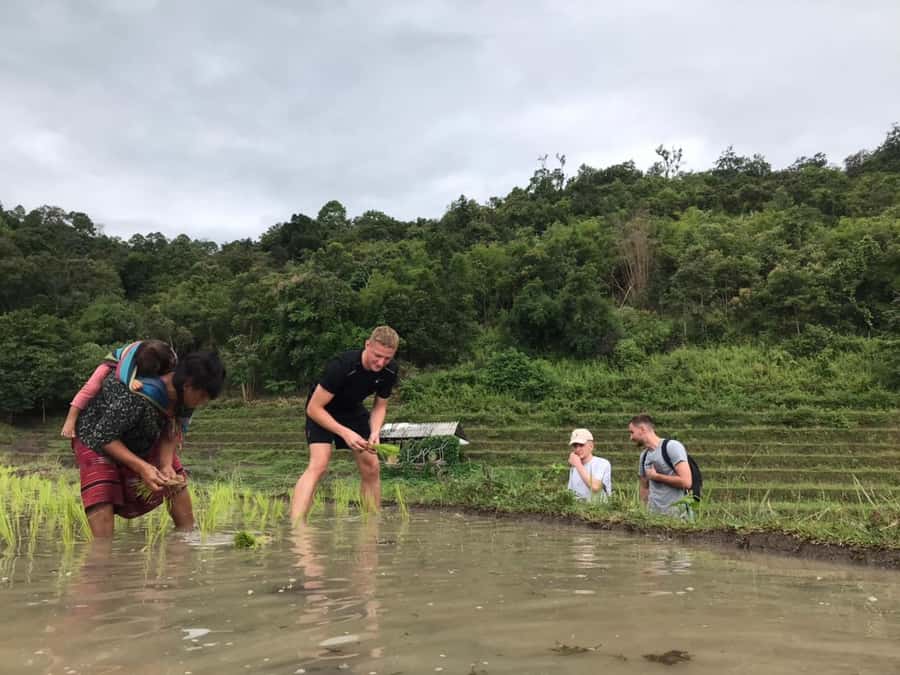
This is a “bring what you can’t buy there” trip. The packing list is solid, and you’ll thank yourself for following it.
Must-haves you should not skip:
- Comfortable shoes (often best with ankle support)
- Hat and sunscreen, ideally biodegradable sunscreen
- Insect repellent
- Swimwear, towel, and change of clothes
- A daypack and closed-toe shoes for the trail
- Hand sanitizer or tissues
Also, pack for weather changes. Even if daytime feels warm, nights can cool down at elevation. A poncho or anorak helps if rain hits. One trip note said it poured for about 1.5 hours, and people felt better when they had proper rain protection.
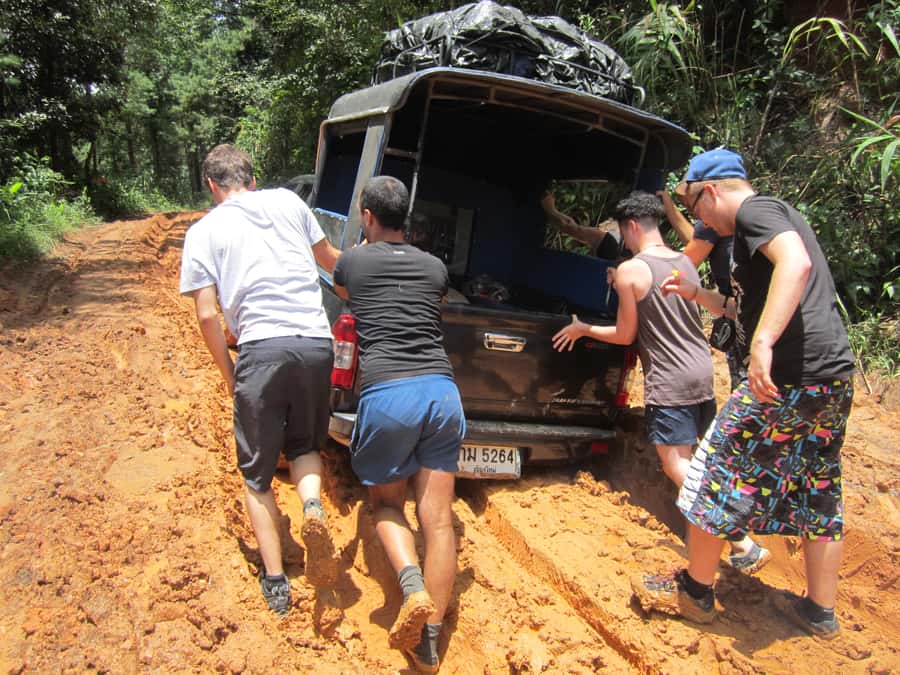
Now the part people don’t always expect: transportation can be rugged. Multiple accounts describe muddy, bumpy dirt roads and even standing in the bed of a truck. On some departures, you might have to hold on tight, or you may even get out and push if the vehicle needs help. This is not unsafe by default, but it is physical. If you’re the type who hates shaking roads, plan your attitude for it.
Good news: the trip is designed to reduce gear burden. Included items can include a head torch, sleeping bag, and even a knife and slingshot. You still need personal clothing and hygiene items, but the essentials for nighttime and trail basics are handled.
Price and value, is $144 actually fair?
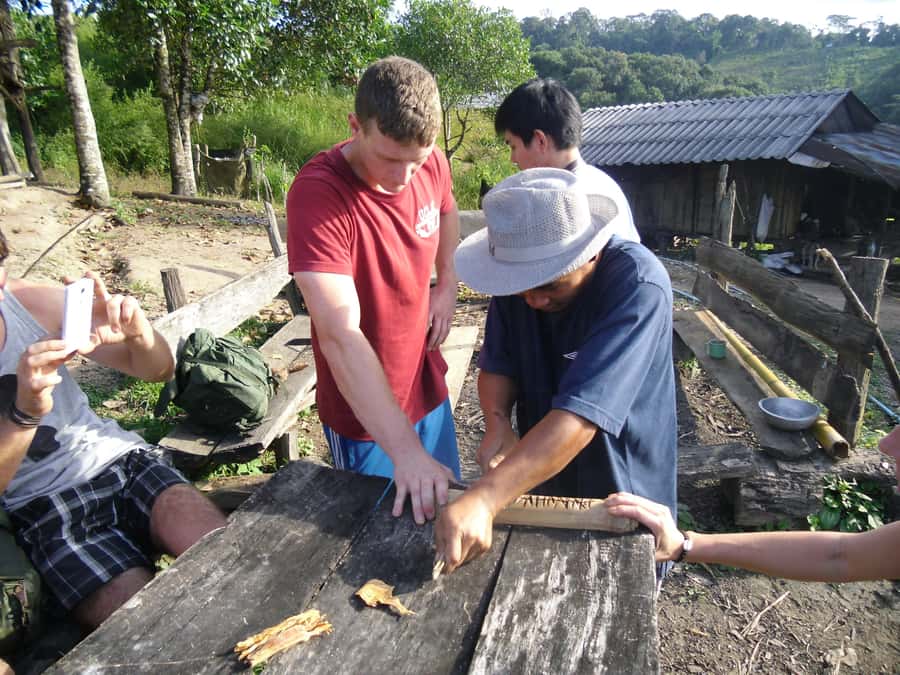
At $144 per person for a 2-day, 1-night experience, the value is in what’s included, not just the “headline activities.”
Here’s what your money is buying:
- Hotel pickup and drop-off
- Elephant care time
- Trekking guide
- Bamboo rafting
- All meals during the trek
- Accommodation for the night
- Gear support like head torch and sleeping bag
When a trek like this includes guides, transport, meals, lodging, and rafting all together, it’s usually cheaper than building the same day-by-day plan on your own. The small group limit to 14 also adds value because you’re not just sharing a guide, you’re getting a more workable ratio for hiking and teaching.
One more value point: the program includes English audio support, and the live guide is English and Thai. If you don’t speak Thai, you’re not trapped in silence. You can ask questions, and you’re likely to get clear explanations for what you’re seeing.
Who this Chiang Mai trek suits best, and who should think twice
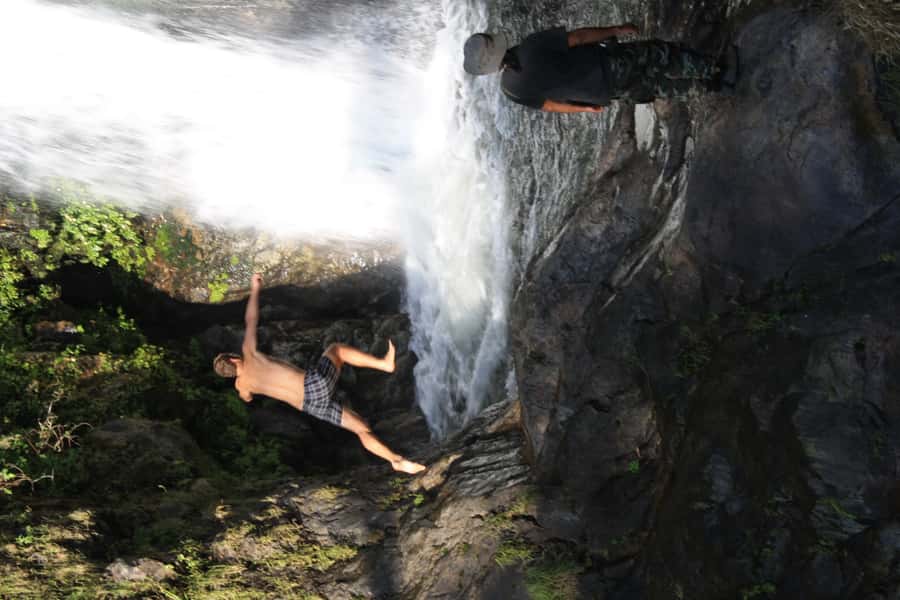
This trek is best for people who want a more active, nature-first Thailand experience. If you like cooking meals as part of the day, learning about plants and how people live nearby, and spending more time outside than in cars, you’ll probably love it.
You should also like group travel, at least a little. With small groups, you’ll spend a lot of time with the other people in your trek. Some people note they did not know who would be in the group before meeting up, which can be a surprise, but it usually turns into a friendly shared rhythm.
Who should consider skipping:
- Pregnant women
- Wheelchair users
- People over 95 years old
If you have mobility issues, the rugged transport and uneven trail terrain may not work for you. And if rustic facilities are a hard no, think carefully about the homestay night.
Should you book this non-tourist trek in Chiang Mai?
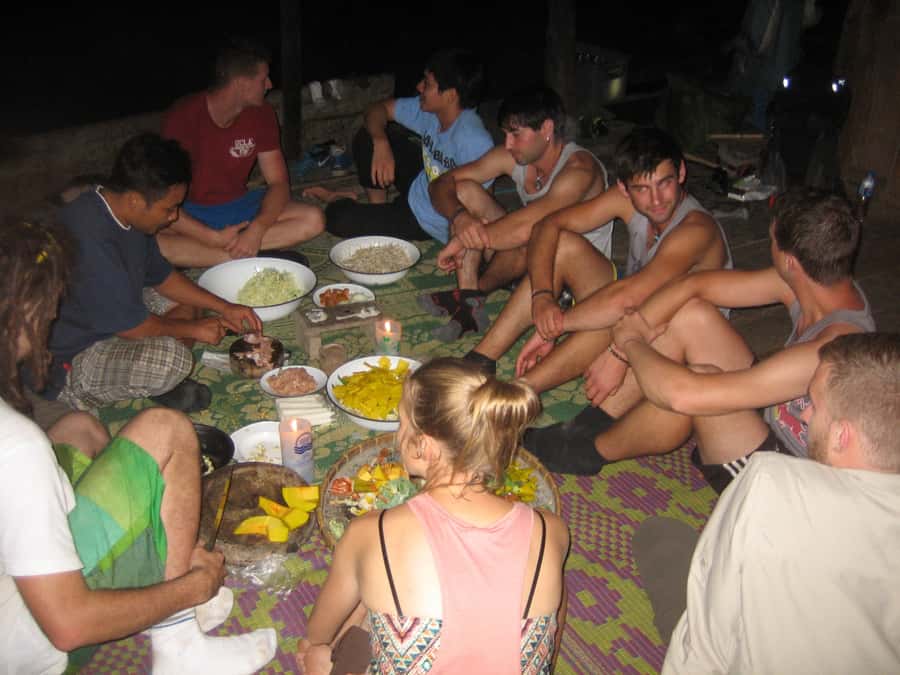
I think you should book if you want your Chiang Mai trip to feel less scripted and more outdoors. The mix of non-tourist jungle trekking, jungle cooking, hill-tribe homestay time, and then waterfall plus bamboo rafting makes it a full experience that doesn’t feel like a checklist.
Book with confidence if you’re comfortable with basic accommodations and muddy roads. Also book if you enjoy learning by doing, because the eco-system education is part of the hike, not a separate talk.
Skip or choose a different style if you need hotel-level comfort, dislike being on unpaved roads, or know you cannot handle rustic bathroom setups. The trek is authentic by design. That authenticity is exactly why it works for the right fit.
FAQ
What are the pickup and return times?
Pickup is from your hotel between 7:00 and 7:30 AM. You return to Chiang Mai around 5:00 to 5:30 PM.
How long is the trek, and does it include an overnight?
It’s a 2-day, 1-night trek, with an overnight stay in a cottage with a hill tribe family.
How small is the group?
The group is limited to 14 participants.
What languages are used during the tour?
The live tour guide speaks English and Thai. An English audio guide is also included.
What’s included besides transportation and guiding?
In addition to pickup and drop-off and a trekking guide, the trek includes elephant care, bamboo rafting, all meals during the trek, accommodation, and some provided items like a head torch and sleeping bag. A knife and slingshot are also listed as included.
What happens on the first day?
You start with hotel pickup, then visit an elephant camp. After that you do jungle trekking for about 3 to 4 hours, cook and eat lunch in the jungle, cook and have dinner together, then enjoy a campfire and lantern release. You overnight with a hill tribe family.
What happens on the second day?
You have breakfast with coffee or tea, then trek in the jungle for about 2 to 3 hours. Lunch is included, then you swim and relax at a waterfall. You also do bamboo rafting for 30 to 45 minutes, and then return to Chiang Mai around late afternoon.
What should you bring for this trek?
Bring comfortable shoes, a hat, sunscreen, insect repellent, swimwear, a towel, a change of clothes, a daypack, and hiking pants. You’ll also want closed-toe shoes, water, a camera if you’d like photos, and personal medication if needed.
Who is it not suitable for, and can you cancel?
It’s not suitable for pregnant women, wheelchair users, and people over 95 years old. Free cancellation is offered up to 24 hours in advance for a full refund.
More Hiking & Trekking in Chiang Mai

Fresh listings for Chiang Mai
- Skydive Chiang Mai★ 5.0 · 1 review
- One day hiking tour in Chaing Mai★ 5.0 · 1 review
- One Day Non Tourist Trek 100% Guarantee★ 5.0 · 1 review
- Chiang Mai to Chiang Rai (Private 3 day Tour)★ 5.0 · 1 review
- San Kamphaeng Hot Springs and Thai Handicraft Tour from Chiang Mai★ 5.0 · 1 review
- Half day Doi Suthep Temple & Mae Ping River cruise (Private)★ 5.0 · 1 review
Hiking & Trekking, compared.
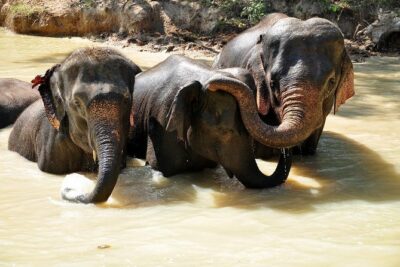
3-in-1: Doi Inthanon Tour, Elephant Sanctuary, and Trekking Trail
Read our review →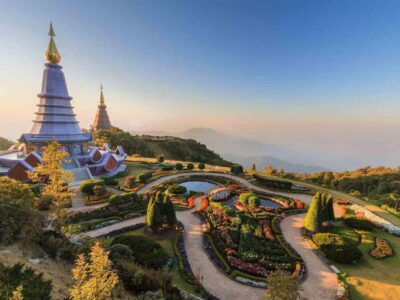
Doi Inthanon Trip with Pha Dok Siew Guided Trek
Read our review →
2-Day Jungle Trek with Elephant Farm & Raft Ride
Read our review →
Doi Inthanon Park with Kew Mae Pan Hike Day Trip
Read our review →

Doi Inthanon Private Tour with Trek & Lunch from Chiang Mai
Read our review →Browse the lists this tour appears in