
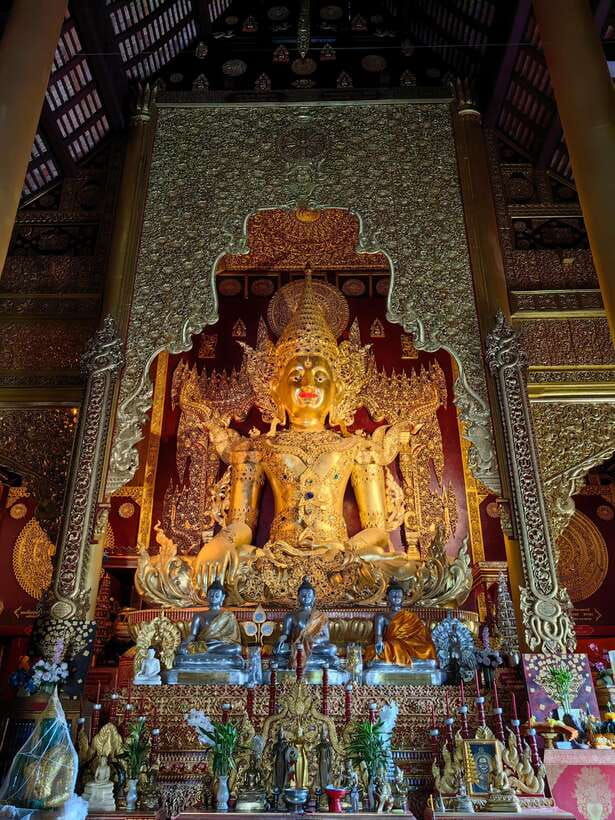
Reviewed · LANNA TEMPLE TOURS
Chiang Mai: Temple & City Tour Part II
Wat temples come with a lot of big claims. This one focuses on four specific places and the stories tied to them, so you actually understand what you are looking at. You will walk past carved doorways and aged chedis, then hear how different communities shaped Chiang Mai’s Buddhist culture.
What I love most is the guide style. You get clear explanations, and in multiple guide profiles linked to this route, former monks like Eddy and Katoon show up to talk Buddhism in plain, practical terms. I also like that the stops are varied, from the oldest temple in town to a Shan Burmese style site, so the day feels like more than a checklist.
The only real drawback is the walking and the heat. It is a walking tour that can take hours, so bring protection and plan for slow, steady pacing, especially if you are not used to Chiang Mai weather.
In This Review
- Key highlights I’d mark on your map
- What this Chiang Mai Temple Part II route does best
- Timing and the walking reality (08.20, heat, and pace)
- Wat Chiang Man, the 1296 temple that sets the tone
- Wat Chiang Yuen and the Shan residential past
- Wat Pa Pao, a Shan Burmese style temple outside the moat
- Wat Ku Tao and the unusual chedi with Prince Saravadi ties
- Temple etiquette you’ll actually use (dress, quiet, and worship basics)
- Guide impact: former monks, patient answers, and better viewing
- Price of $31 and whether it feels like value
- Who should book this tour, and who should skip it
- Should you book Chiang Mai Temple & City Tour Part II?
- FAQ
- What time does the tour start?
- How long is Chiang Mai Temple & City Tour Part II?
- Which temples are included on the tour?
- Are meals and drinks included?
- What languages are offered for the live guide?
- Can I book a private or small group?
- What should I bring?
- Is this tour fully refundable if plans change?
Key highlights I’d mark on your map
- Wat Chiang Man (1296): the oldest temple in Chiang Mai town, connected to the crystal Buddha statue story
- Wat Chiang Yuen: a 16th-century temple tied to the Shan residential area
- Wat Pa Pao: a Shan Burmese style temple outside the old city walls and moats
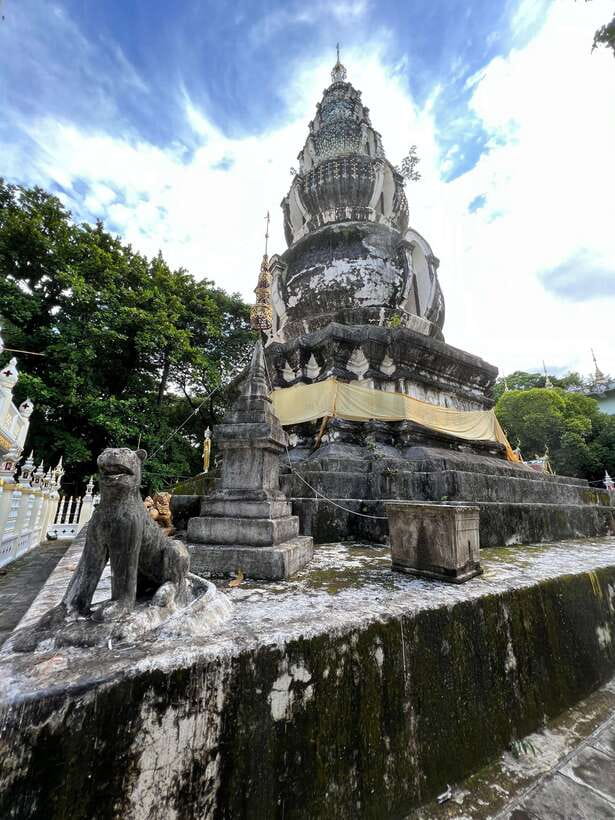
- Wat Ku Tao: a very unusual chedi said to date to 1613, tied to Prince Saravadi
- Small-group energy: private or small groups with an English-speaking live guide, plus photo help
- Low-impact by design: the activity prioritizes offsetting carbon emission and reducing environmental impact
What this Chiang Mai Temple Part II route does best
If you want Chiang Mai temples without the usual rush-and-random-stop feeling, this is a strong format. It is built as a walking route that strings together four historically meaningful temples, then uses your guide to connect the art, the religious practice, and the local culture.
You will also get a tour structure that helps you look better. Instead of you guessing what matters, your guide explains what to notice, how people approach worship, and why certain features show up at each site. One review even mentioned basic meditation and simple etiquette for entering temples, which is exactly the kind of context that makes temples feel less like scenery and more like living places.
The day starts at 08.20 am, and the pace is described as relatively easy. Still, “easy” does not mean “sit down.” You are on foot for hours, so you should come ready for a comfortable walking day with shade and water.
Timing and the walking reality (08.20, heat, and pace)
The start time matters here. Beginning at 08.20 am is a smart move because you get more comfortable temperatures and lighter crowds compared to later in the day. Even with an early start, you will still be walking enough that your feet and legs will notice by the end, as some guides and reviews have hinted.
I suggest you treat this like a morning-to-early-afternoon temple walk, not a quick city stroll. Wear light, breathable clothes, and bring an umbrella even if the forecast looks calm. Rain can show up fast, and shade also helps when the sun gets strong.
If you are sensitive to heat, go slower than you think you need to. The best temple visits happen when you are not rushing to keep up. Your guide should be able to pace the group, and the reviews repeatedly mention that guides do not rush and they take time for questions at quieter stops.
Still haven't picked a temple to start with?
- Chiang Mai: Chiang Rai Temples, Karen Tribe and Hot Springs★ 4.7 · 5,401 reviews
- Chiang Rai White Temple and Blue Temple Day Tour★ 4.6 · 3,366 reviews
- Chiang Mai: White, Red/Black & Blue Temples Tour with Lunch★ 4.2 · 2,017 reviews
- Chiang Mai: Doi Suthep and Wat Umong Enchanting Evening Tour★ 4.6 · 1,811 reviews
Wat Chiang Man, the 1296 temple that sets the tone
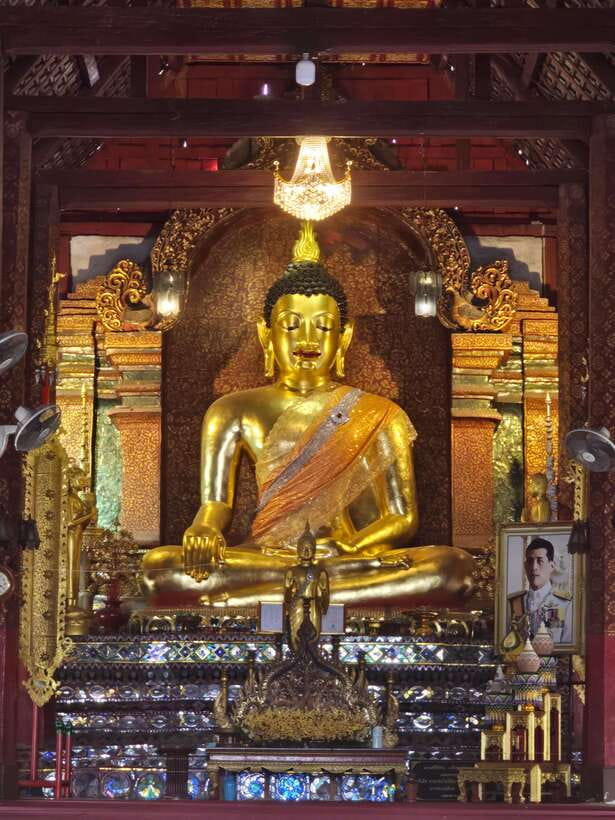
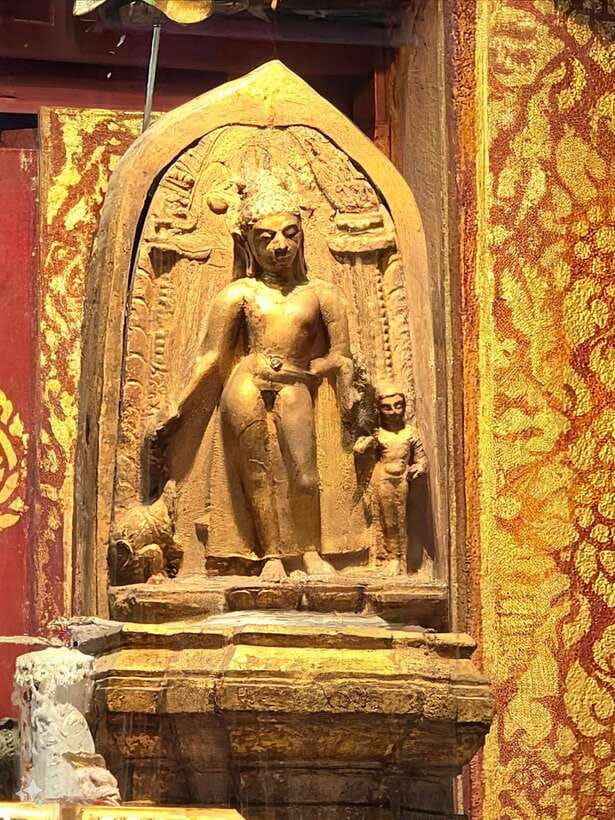
Wat Chiang Man is your first stop, and it is a great one to open with. This temple is described as the oldest in Chiang Mai town, built in 1296 by King Mengrai. Starting here gives you a “baseline” temple to compare everything else against later in the route.
Here is what to pay attention to. When a temple is this old, the layout, age of materials, and layers of religious tradition can feel different from the later sites you will visit. Your guide will likely explain the meaning behind key features and the local interpretation of Buddhist practice as it developed in the region.
You will also hear the story tied to the crystal Buddha statue being enshrined there. Even if you have seen Buddha images before, a specific statue story helps you understand that these are not generic decorations. They are objects with history, belief, and community meaning behind them.
Practical tip: arrive ready to look up. Early temple architecture rewards attention to detail, and a guide can point out what you might otherwise miss when you are just walking past.
Wat Chiang Yuen and the Shan residential past
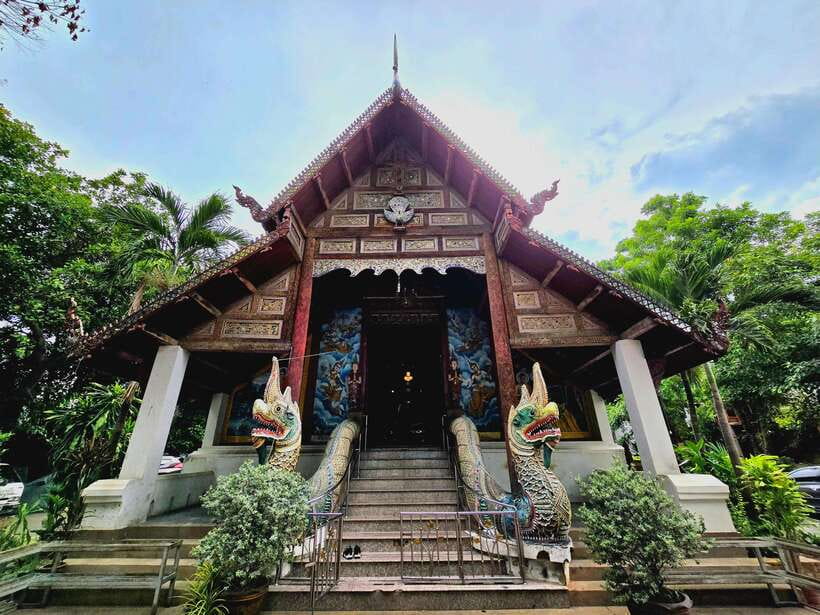
The next stop, Wat Chiang Yuen, shifts your focus from “oldest temple in town” to a more specialized historical layer. This is a unique 16th-century temple located in an area of Chiang Mai that once served as a residential zone for the Shan people.
That context matters because it helps you read the temple as part of a community story, not just a standalone monument. When you understand who lived nearby, what languages and traditions traveled through the region, and how communities organized worship, the temple stops feeling like a random stop on a map.
A good guide will connect that background to what you see in temple design and religious emphasis. In this tour, the guide role is central, and many of the most positive comments mention patience, time for questions, and explanations about Buddhism and how it is practiced day to day.
Also, expect the atmosphere to feel different from a “big, loud highlight.” Sites like this often provide calmer moments where you can slow down, look at carvings, and absorb the surroundings without feeling like you are in a constant crowd.
A few more ways to fill a day here
- Chiang Mai: 3 Hour Old City and Temples Guided Walking Tour
★ 4.6 · 1,568 reviews - Chiang Mai: Historic Temples and City Guided Walking Tour
★ 4.7 · 650 reviews - Chiang Rai Day Trip from Chiang Mai City with Golden Triangle
★ 4.5 · 531 reviews
Wat Pa Pao, a Shan Burmese style temple outside the moat
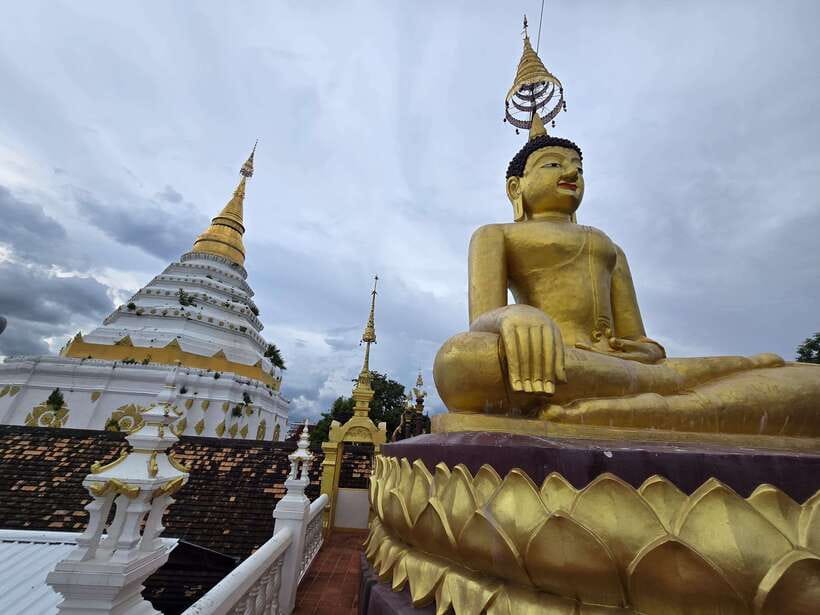
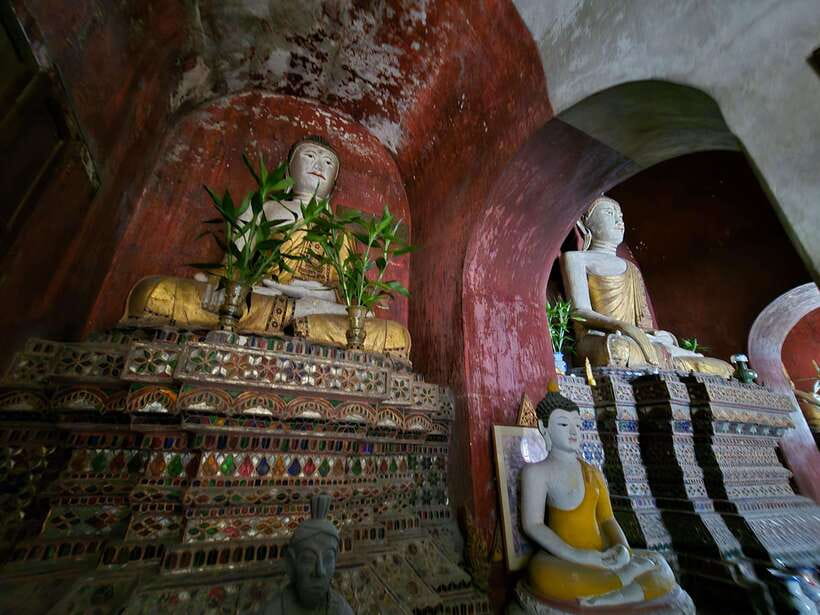
Wat Pa Pao adds a style change that keeps the tour from feeling repetitive. It is described as a Shan Burmese style temple, and it sits outside the old city walls and moats. That location detail is useful, because it hints that not every religious site served the same role or the same neighborhood.
If you already like architectural differences, you will appreciate this stop. A “style” temple usually means you can spot variations in forms, decorative choices, or the way spaces are used for worship. And when your guide explains where this influence came from, the architecture becomes a visible clue for the region’s cross-cultural history.
Another value here is the walk itself. Moving from one temple zone to another gives you a real sense of Chiang Mai’s urban shape. You are not stuck in one bubble, and that makes the day feel more like a guided city walk with historic anchors.
Wat Ku Tao and the unusual chedi with Prince Saravadi ties
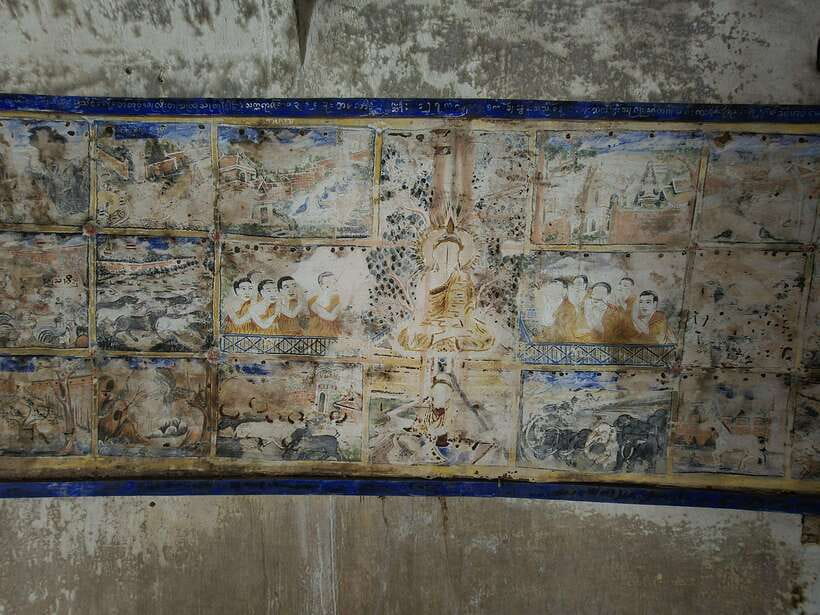
Wat Ku Tao is the most unusual stop on paper, and that usually means it is the most memorable in person. The tour describes this site as having a chedi thought to have been built in 1613, intended to hold the ashes of Prince Saravadi, who lived from 1578 to 1607. He is described as the first Burmese overlord of Chiang Mai.
This is where the tour becomes more than “pretty temple photos.” You get a direct connection between power shifts, regional influence, and how Buddhist monuments can function as memorial and religious symbolism.
A chedi that holds ashes linked to a political figure can feel strange at first if you only associate temples with worship. But that is exactly why this stop works. Your guide can explain the logic behind memorial practice in Buddhist settings and how communities interpret sacred spaces.
Practical tip: this is a site where details matter. Slow down, look closely, and be ready to ask questions. Reviews tied to this tour style frequently mention that guides answer many questions with patience, and that you learn practical etiquette and how to approach temples respectfully.
Temple etiquette you’ll actually use (dress, quiet, and worship basics)
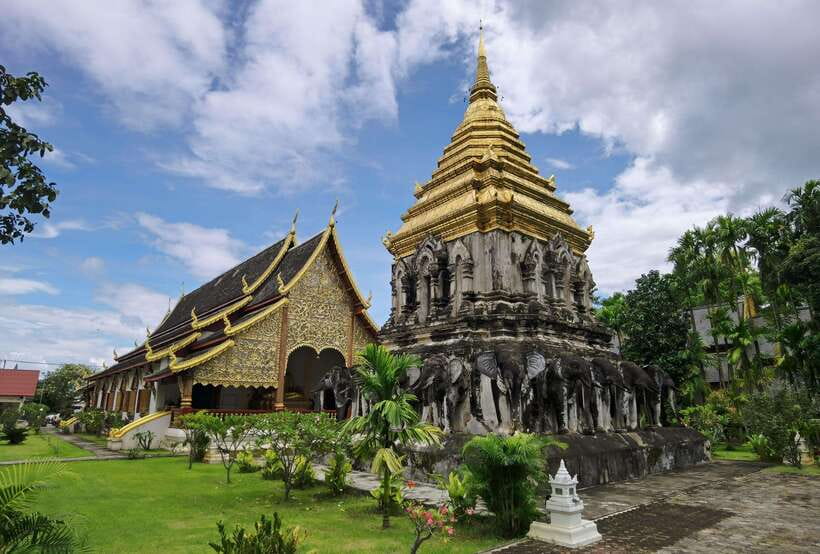
Temple rules are not just “be respectful” advice. They are what keep your visit smooth, comfortable, and culturally correct. For this tour, there are clear guidance points on what is not allowed, including short skirts and loud behavior.
I recommend you dress with coverage in mind, especially around your shoulders and knees. If you show up in something borderline, you can lose time dealing with adjustments instead of enjoying the visit.
You should also expect quiet expectations inside temple spaces. The activity notes that making noise is not allowed, and that helps you understand the tone of these places. This is also why a guide matters. Someone who has lived the routine, even in the past, tends to teach the right mindset, not just the checklist.
One of the most praised aspects from the guides on this route is that they teach how to pray, and how monks live, at least in terms newcomers can understand quickly. That is helpful because you do not have to guess how to act. You can focus on being present.
If you want photos, do not treat it like a free-for-all. Some guides, including Eddy, are described as attentive to taking pictures. Let your guide help you time shots, then step aside when worship is happening.
Guide impact: former monks, patient answers, and better viewing
This tour lives or dies with the guide. The reviews repeatedly highlight that the guides are friendly, accommodating, and genuinely good at explaining what you are seeing.
A standout theme is monk experience. Guides such as Katoon and Mr Big are described as ex-monks, and one review mentions 18 years as a monk. That kind of background shows up in how they talk about Buddhism, meditation basics, monk life, and how temples function as parts of everyday belief, not only tourist stops.
Another strong theme is patience. Several comments mention that guides never rush and will answer plenty of questions, including at calmer temple spots. That is exactly what you want if you are the type who asks why something looks the way it does, or what a specific symbol means.
If you like photos, you will probably appreciate how your guide helps you frame them. Eddy is specifically mentioned as attentive to taking pictures, and other guides are described as taking amazing photos along the way. You will still need to protect your own gear from sweat and rain, but you can benefit from guidance on where to stand and when to shoot.
One practical note: meeting points can be tricky if you receive a code-like address. One review complained that the plus-code style location did not make sense to taxis. My advice is simple: save the confirmation details, and if it feels confusing, show it to the driver along with a nearby landmark you can recognize, like the 3 Kings Monument area mentioned in feedback.
Price of $31 and whether it feels like value
At $31 per person for a full day walking temple route, this is positioned as very good value if you actually want context. You are paying for a live guide, guided walking between multiple temples, and hotel pickup and drop-off if you select a private option.
Why that matters: Chiang Mai’s major temples are easy to find, but the meaning is not. A guide can turn the same scenes into an understanding of why these communities built, influenced, and memorialized. When the guide explains Buddhism in practical terms and points out details you would likely miss, the cost starts to make sense quickly.
It also helps that the tour is small group or private. In practice, smaller groups usually lead to more question time and easier pacing. Reviews repeatedly mention time given generously for explanations and that guides do not rush you.
Not everything is included. Food and additional drinks are not included, so plan a meal break yourself or budget for water and snacks. That is normal for temple walks, but it changes your day slightly. You will want cash on hand because you will likely want to buy something along the way.
Who should book this tour, and who should skip it
This is a great match if you want temples with explanation and a structured walking route. It is especially ideal if you are interested in how Buddhism shaped daily life, or if you like learning the background behind temple architecture and religious memorials.
It can also work well as a follow-up if you already did a different Chiang Mai temple tour earlier. Part II format makes it easier to build a bigger picture across the city.
Skip it if you cannot handle several hours on your feet. The tour is described as relatively easy to walk, but it is still a walking tour. It is also not suitable for wheelchair users, and it is not suitable for pregnant women. It is also not for very young children, based on the age limits listed.
If you are the type who hates rules and worship etiquette, you might find temple visits stressful. But if you like learning how to behave respectfully, the guide-led approach should feel like a relief rather than a burden.
Should you book Chiang Mai Temple & City Tour Part II?
If you want the shortest path to understanding Chiang Mai’s temple culture, I think you should book it. You get four specific temples, linked stories from the Shan and Burmese influence, and a guide style that focuses on teaching, not just showing.
I would book this if you care about Buddhism and the reasons behind temple features, and especially if you prefer calm pacing with time for questions. Bring your basics, protect yourself from the heat, and plan to buy your own food since meals are not included.
If you want a purely relaxed sightseeing loop with no etiquette, this might feel a bit too “learn the meaning” for your taste. But for most people looking for a smart, respectful, high-value temple morning, this one is a strong pick.
FAQ
What time does the tour start?
The tour starts at 08.20 am.
How long is Chiang Mai Temple & City Tour Part II?
It runs for 1 day.
Which temples are included on the tour?
You visit Wat Chiang Man, Wat Chiang Yuen, Wat Pa Pao, and Wat Ku Tao.
Are meals and drinks included?
No. Food and additional drinks are not included.
What languages are offered for the live guide?
The live tour guide speaks English, Chinese, and Thai.
Can I book a private or small group?
Yes. Private or small groups are available.
What should I bring?
Bring an umbrella, drinks, and cash.
Is this tour fully refundable if plans change?
Yes. Free cancellation is offered up to 24 hours in advance for a full refund.
Fresh listings for Chiang Mai
- Skydive Chiang Mai★ 5.0 · 1 review
- One day hiking tour in Chaing Mai★ 5.0 · 1 review
- One Day Non Tourist Trek 100% Guarantee★ 5.0 · 1 review
- Chiang Mai to Chiang Rai (Private 3 day Tour)★ 5.0 · 1 review
- San Kamphaeng Hot Springs and Thai Handicraft Tour from Chiang Mai★ 5.0 · 1 review
- Half day Doi Suthep Temple & Mae Ping River cruise (Private)★ 5.0 · 1 review
Lanna Temple Tours, compared.
Chiang Rai Temples, Karen Tribe and Hot Springs
Read our review →
Chiang Rai White Temple and Blue Temple Day Tour
Read our review →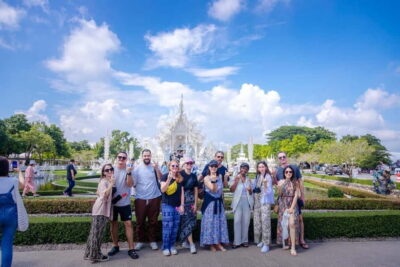
White, Red/Black & Blue Temples Tour with Lunch
Read our review →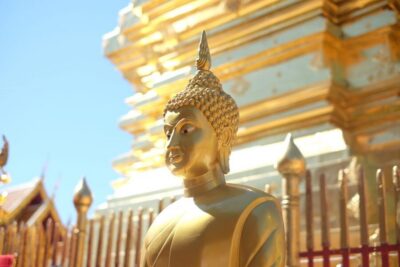
Doi Suthep and Wat Umong Enchanting Evening Tour
Read our review →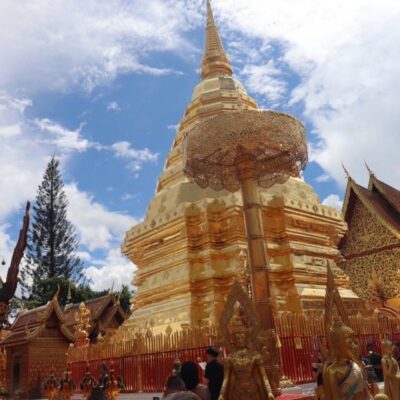
3 Hour Old City and Temples Guided Walking Tour
Read our review →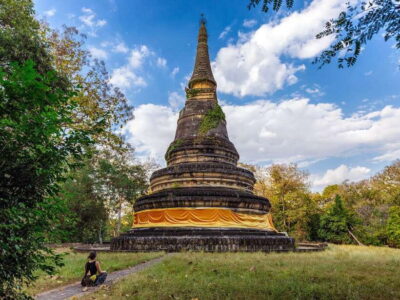
Doi Suthep, Wat Umong, and Pha Lat Sunrise Tour
Read our review →
Chiang Rai Temples: Private Tour from Chiang Mai
Read our review →Browse the lists this tour appears in