
Reviewed · LANNA TEMPLE TOURS
Chiang Mai Temples Visit Walking Tour with Ex-Monk Guide Part 2
A temple walk can be history, but this one is also a human story. You’ll follow an ex-monk guide, Katoon, through some of Chiang Mai’s most meaningful sites and learn how Buddhism shows up in daily life. I like that the group stays small, and I like that the temples are free to enter.
What makes this tour especially good is the way Katoon explains things in plain language. You’ll cover major Lanna landmarks like Wat Chiang Man (built in 1296) and also get cultural threads that connect to the Tai Yai (Ngiaw) community at Wat Pa Pao. If you want a guided answer to the usual questions, this is the type of tour where questions are welcomed, not brushed off.
One consideration: it’s a walking tour with a weather requirement, so if it’s hot, rainy, or you hate uneven stone and temple paths, plan accordingly.
In This Review
- Key points to know before you go
- Ex-monk Katoon is the main attraction
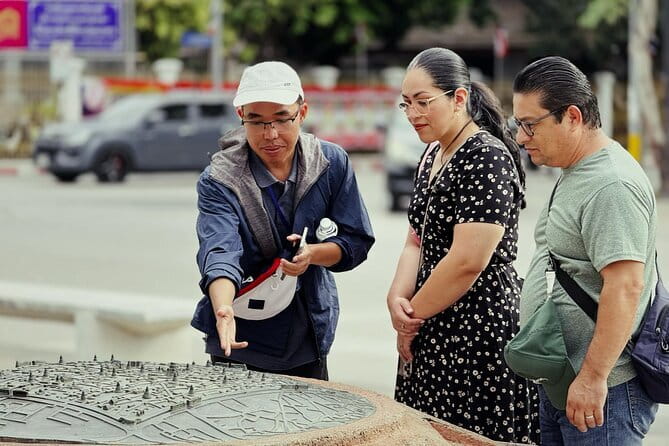
- The walk begins at the Three Kings Monument, then you move fast
- Wat Chiang Man, built in 1296 and still setting the tone
- Wat Pa Pao and the Tai Yai story, guided by Lady Bua Lhai
- Wat Chiang Yuen, where a Burmese colonial gate changes the look
- Wat Lok Molee, a wooden chanting hall and classic Lanna design
- Price and value: what $25.92 really buys you
- The walking and weather reality check
- Who this tour is for, and who should skip it
- Should you book Chiang Mai Temples Visit Walking Tour Part 2?
- FAQ
- How long is the Chiang Mai temples walking tour (Part 2)?
- Where does the tour start?
- What time does the tour begin?
- Which temples are visited on this tour?
- Is there an admission fee for the temple stops?
- Is the guide available in multiple languages?
- Can I get a full refund if I cancel?
Key points to know before you go
- Ex-monk guide, Katoon explains Buddhism through real temple details, with lots of Q and A
- Small group size (max 20) keeps the pace friendly and the conversation practical
- Wat Chiang Man dating to 1296 gives you a solid starting point for Chiang Mai temple history
- Wat Pa Pao and Lady Bua Lhai connect the visit to Tai Yai (Ngiaw) roots and 19th-century Lanna ties
- Burmese colonial gate at Wat Chiang Yuen adds a different regional flavor beyond standard Lanna architecture
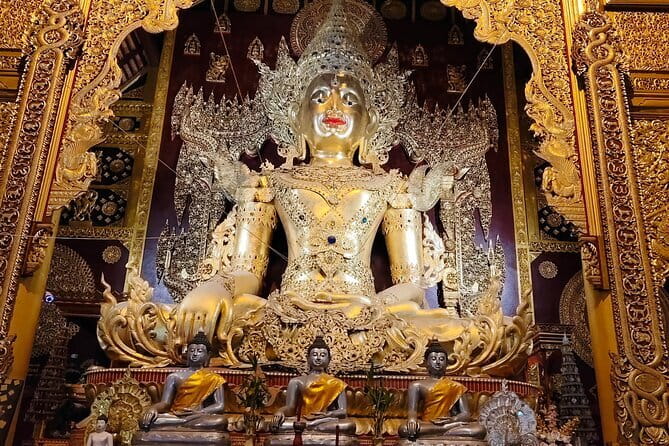
- Wooden chanting hall at Wat Lok Molee shows off traditional Lanna building style up close
Ex-monk Katoon is the main attraction
If you’ve ever toured a temple and thought, I get the basics, but I still don’t understand the point, this is where the tour changes. Katoon is an ex-monk guide, and that background shows in how he frames what you see. Instead of treating each wat like a photo stop, he links the architecture and ritual space to Buddhist ideas and daily practice.
I also like how the tour stays grounded. You visit key sites, then you learn what to look for, how to interpret design choices, and what local people might mean when they behave a certain way in and around temples. In the experience you get from Katoon, questions are part of the program, not an awkward afterthought.
One reason this works for many people is simple: the tour is not written like a lecture. It feels like a conversation that moves site to site. That’s especially valuable when you’re with kids, because the guide can be patient and keep answers clear without making it feel childish.
The walk begins at the Three Kings Monument, then you move fast
Your tour meets at Three Kings Monument on Prapokklao Road (Si Phum area). The tour starts at 1:00 pm, and the first stop is basically a warm-up. You get an introduction before you set off, which matters more than it sounds. Temple tours can feel random if you start with buildings and no context. Here, you get the frame early, then the walking makes sense.
From there, you keep a steady rhythm. The itinerary is built around short, focused visits: about 10 minutes for the monument intro, then roughly 30 to 45 minutes per wat. That timing is a good balance. You have time to look closely and still move on before the heat or crowds become a problem.
The tour also runs as a loop, ending back at the meeting point. That’s convenient, and it helps you avoid the annoying logistics of trying to catch a ride from the far side of town. Since the meeting point is noted as near public transportation, you can also plan arrival and departure without stress.
Still haven't picked a temple to start with?
- Chiang Mai: Chiang Rai Temples, Karen Tribe and Hot Springs★ 4.7 · 5,401 reviews
- Chiang Rai White Temple and Blue Temple Day Tour★ 4.6 · 3,366 reviews
- Chiang Mai: White, Red/Black & Blue Temples Tour with Lunch★ 4.2 · 2,017 reviews
- Chiang Mai: Doi Suthep and Wat Umong Enchanting Evening Tour★ 4.6 · 1,811 reviews
Wat Chiang Man, built in 1296 and still setting the tone
Stop 2: Wat Chiang Man is the kind of temple that teaches you what “old” really means. This wat is described as one of the oldest and most iconic temples in Chiang Mai, built in 1296. It’s also believed to be the first temple constructed in the city, so you’re not just seeing a landmark, you’re starting from a historical root.
What I like about beginning here is the clarity. If you want to understand later temples in the city, you need an anchor point. Wat Chiang Man gives you that. Katoon can explain how the temple’s age changes the way you read it. Instead of seeing one more ornate building, you start thinking in terms of continuity: why this site mattered, how it stayed important, and what traditions likely grew around it.
There’s also a practical benefit to this stop. At around 45 minutes, you can slow down without feeling like the tour is dragging. You can look at the temple layout, notice the areas people focus on, and learn what different features are trying to communicate.
If you come hoping for a purely scenic walk, you’ll still enjoy it. But the bigger win is understanding why Wat Chiang Man has a reputation, and how that reputation fits into Chiang Mai’s Buddhist culture.
Wat Pa Pao and the Tai Yai story, guided by Lady Bua Lhai
Stop 3: Wat Pa Pao adds a different angle to the Chiang Mai temple picture. This wat is described as the first temple of the Ngiaw or Tai Yai in Chiang Mai. That matters, because it shows how Chiang Mai’s Buddhist landscape connects to specific ethnic and regional communities, not just one single cultural thread.
You also get a named person in the story, which makes it easier to remember. Wat Pa Pao was constructed during the reign of Prachao Intawichayont, and it was built in 1883 by Lady Bua Lhai, described as a Tai Yai concubine of the king. That kind of detail turns a temple stop into a narrative. You’re not only reading stone and wood, you’re learning about relationships, power, and patronage that helped shape what was built.
The tour gives you about 30 minutes here. That’s long enough to take in the main features and learn the cultural context without letting it turn into information overload. I like that. With temple tours, the danger is trying to absorb everything at once and leaving with no clear mental map. This timing helps you keep the story crisp.
One more thing: if you already know some Thai temple basics, this stop is still worth it because it broadens your understanding of who shaped Chiang Mai’s religious sites. If you’re curious about how different communities influence temple style and practice, Wat Pa Pao is one of the best places to see that in a short time.
The old city's temples, covered on foot
- Chiang Mai: 3 Hour Old City and Temples Guided Walking Tour
★ 4.6 · 1,568 reviews - Chiang Mai: Historic Temples and City Guided Walking Tour
★ 4.7 · 650 reviews - Chiang Mai: Temple And City Walking Tour Part I
★ 4.7 · 244 reviews
Wat Chiang Yuen, where a Burmese colonial gate changes the look
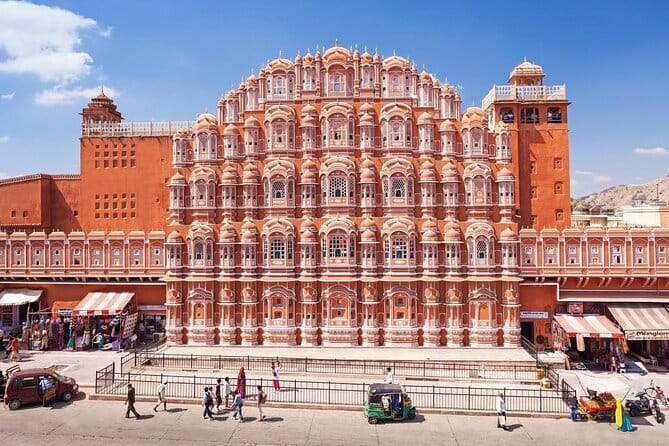
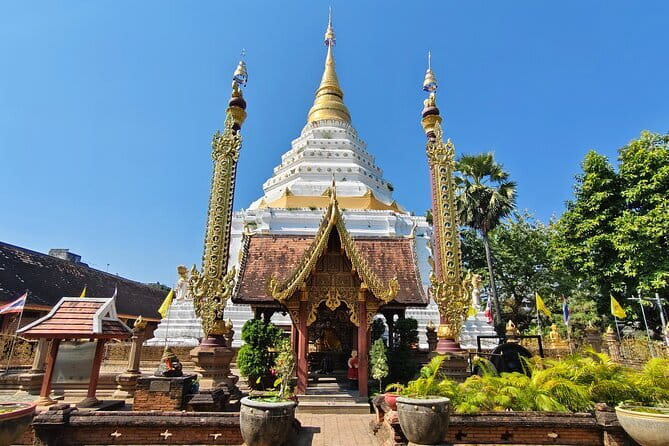
Stop 4: Wat Chiang Yuen Temple is famously known for its ancient Burmese colonial gate and a beautiful pavilion. Even if you’re not a temple architecture nerd, that description tells you you’ll see something you can recognize. The gate is a visual hook, and it gives Katoon a chance to explain cross-regional influence in a way that feels grounded in what you’re seeing.
The tour time here is about 30 minutes. That works because this site is a “notice and understand” kind of stop. You look first, then you connect it to the historical role the temple played in the Lanna kingdom era, based on the way it’s presented in the tour description.
A benefit of having this site in the middle of the walk is momentum. After Wat Pa Pao, your brain is already open to ethnic and regional stories. Then Wat Chiang Yuen shifts the focus to architectural influence, especially the Burmese element. It keeps the tour from feeling repetitive, like you’re just moving between five similar-looking wats.
If you prefer variety over pure sameness, this is the stop that often feels different in the best way. You’ll probably remember the gate long after the walking part is over.
Wat Lok Molee, a wooden chanting hall and classic Lanna design
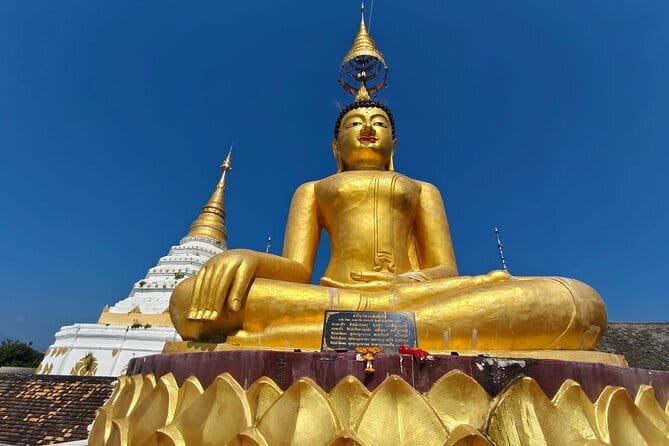
Stop 5: Wat Lok Molee brings you to a wooden chanting hall with traditional Lanna architecture. It’s a great closing act because it’s not just about age or gate structures. It’s about materials, form, and the way a building supports worship and community practice.
You get about 45 minutes at this final temple, which is plenty of time to take in the details without rushing. I like that the tour ends with a spot that encourages slower looking. By now, you’ve learned a lot of context, so the architecture reads differently. You’re not only noticing what’s visually interesting, you’re also understanding why that style would matter in the way people gather and practice.
This stop can also help you connect everything you learned earlier. Earlier you saw historical depth at Wat Chiang Man, a community-specific story at Wat Pa Pao, and a regional architectural influence at Wat Chiang Yuen. Wat Lok Molee helps tie the whole walk together with the everyday role of worship space and community rhythm.
Price and value: what $25.92 really buys you
At $25.92 per person, this tour is priced in the range where you want to feel like you got more than just a checklist. Here, the value comes from two things: the TAT licensed English or Chinese-speaking guide, and the fact that Katoon’s ex-monk background shapes how you understand each temple.
You also benefit from clear time structure: about 3 hours 30 minutes total, with the tour returning to the meeting point. That makes it easier to plan the rest of your Chiang Mai day. You’re not stuck wondering where you’ll end up.
Admission is listed as free at the temple stops, so you are not paying extra just to see the sites on the itinerary. The main non-included items are fees and taxes (so keep some flexibility) and bottled water. Bring your own water if you can. It’s a walking tour, and it’s much easier to enjoy temple details when you’re not scrambling for hydration.
The tour uses a mobile ticket, which is convenient. No one wants to waste time with paperwork during a short afternoon.
The walking and weather reality check
This is not a long-distance trek, but it is still a walking tour with multiple temple visits. If you’re the type who needs breaks every few minutes, this may feel like a steady pace. That said, it’s framed for most travelers to participate, and the group limit of up to 20 suggests a manageable flow rather than a mass-tour situation.
The experience also notes that it requires good weather. If the weather is poor, it can be canceled, with a different date offered or a full refund. That’s not unusual in Chiang Mai, and it’s good to know ahead of time.
My practical tip: choose comfortable footwear and plan your timing around the afternoon start. 1:00 pm is a common sweet spot, but it can still be warm. If you’re sensitive to heat, adjust your plans earlier in the day.
Who this tour is for, and who should skip it
This tour makes the most sense if you want more than scenery. You’ll probably enjoy it if you like explanations that connect Buddhist ideas to what you see, and if you enjoy asking questions and getting clear answers.
It’s also a solid pick for families when the guide is patient and you want a structured walk that still feels human. The route includes major Chiang Mai names, but it’s not only about famous facades. It’s about meaning.
You might skip this one if you only want a quick photo tour with minimal talking. This experience leans into learning, and the value is tied to the guide’s interpretation.
Should you book Chiang Mai Temples Visit Walking Tour Part 2?
If you’re already curious about Chiang Mai’s temples and you want a guide who can answer real questions, I’d book it. The price is reasonable for a guided walk, the group size is capped at 20, and the stops cover several story types: oldest temple roots, Tai Yai (Ngiaw) community history tied to Lady Bua Lhai, and a Burmese colonial gate influence at Wat Chiang Yuen.
One more reason to book: it’s scheduled with an afternoon start and uses mobile tickets, which makes it easy to slot into a day. Since it’s commonly booked about 11 days in advance, you might want to reserve early so you’re not stuck with limited options.
If you want a temple experience that feels like it has a point, this is a strong choice. If you want only quick photos, you may find it more satisfying to take a self-paced route instead.
FAQ
How long is the Chiang Mai temples walking tour (Part 2)?
The tour lasts about 3 hours 30 minutes.
Where does the tour start?
It starts at Three Kings Monument (QXRP+3WX, Prapokklao Road, Tambon Si Phum, Amphoe Mueang Chiang Mai, Chang Wat Chiang Mai 50200, Thailand). The tour ends back at the same meeting point.
What time does the tour begin?
The start time is 1:00 pm.
Which temples are visited on this tour?
The tour includes Three Kings Monument (meeting and introduction), Wat Chiang Man, Wat Pa Pao, Wat Chiang Yuen, and Wat Lok Molee.
Is there an admission fee for the temple stops?
The tour information lists admission tickets for each stop as free.
Is the guide available in multiple languages?
Yes. The guide is listed as available in either English or Chinese.
Can I get a full refund if I cancel?
Yes, free cancellation is available up to 24 hours in advance for a full refund. If you cancel less than 24 hours before the start time, the amount paid is not refunded.
Fresh listings for Chiang Mai
- Skydive Chiang Mai★ 5.0 · 1 review
- One day hiking tour in Chaing Mai★ 5.0 · 1 review
- One Day Non Tourist Trek 100% Guarantee★ 5.0 · 1 review
- Chiang Mai to Chiang Rai (Private 3 day Tour)★ 5.0 · 1 review
- San Kamphaeng Hot Springs and Thai Handicraft Tour from Chiang Mai★ 5.0 · 1 review
- Half day Doi Suthep Temple & Mae Ping River cruise (Private)★ 5.0 · 1 review
Lanna Temple Tours, compared.
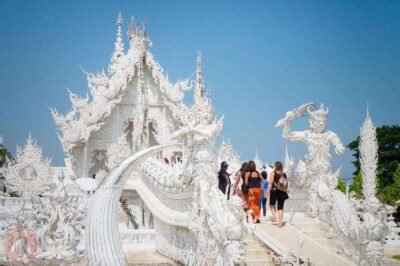
Chiang Rai Temples, Karen Tribe and Hot Springs
Read our review →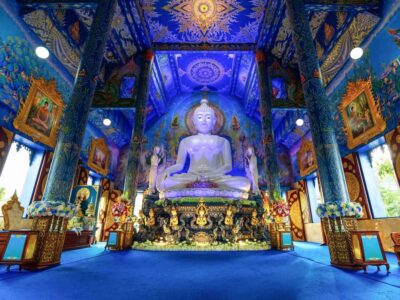
Chiang Rai White Temple and Blue Temple Day Tour
Read our review →
White, Red/Black & Blue Temples Tour with Lunch
Read our review →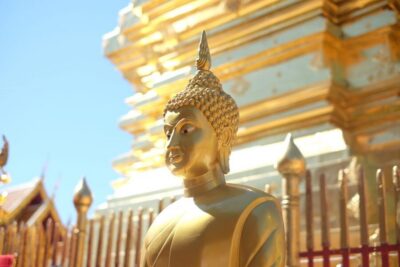
Doi Suthep and Wat Umong Enchanting Evening Tour
Read our review →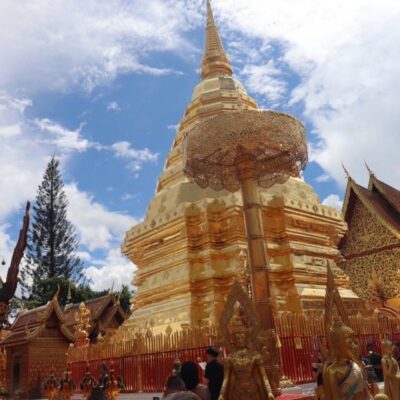
3 Hour Old City and Temples Guided Walking Tour
Read our review →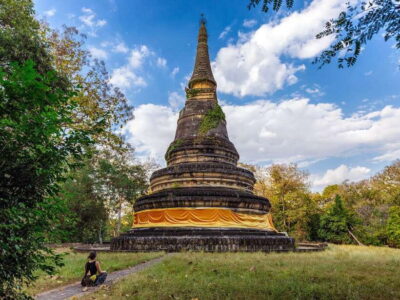
Doi Suthep, Wat Umong, and Pha Lat Sunrise Tour
Read our review →
Chiang Rai Temples: Private Tour from Chiang Mai
Read our review →Browse the lists this tour appears in