
Reviewed · 2-DAY EXPERIENCES
Two Days Pa Pong Piang
Rice terraces, quiet enough to hear yourself breathe. This two-day trip turns Pa Pong Piang rice terraces into a slow, memorable overnight stay, with big scenery and time to actually relax, not just pose. I also like the organic Karen hill-tribe coffee stop, where you can taste what the owner grows and roast, then buy beans or powder if you want.
You’ll do short hikes and waterfall time, with Mae Pan Waterfall on Day 1 and Wachirathan on Day 2. The possible drawback is simple: sleeping arrangements are limited in the village. If rooms are full, you may be moved to a tent option, and the area is rural, so non-Thai speakers should plan to rely on the guide more than you would in a city.
This is best suited for you if you like nature plus simple logistics: pickup is offered, you’ll get a mobile ticket, and the group is capped at 50 people. The tour also has a clear seasonal recommendation, and it matters for what you see.
In This Review
- Key highlights worth booking for
- Why Pa Pong Piang feels calmer than the usual Chiang Mai stops
- Day 1: Ban Kat market, Karen coffee, Mae Pan hike, and the overnight in the terraces
- Day 2: Foggy rice fields, Phra Mahathat pagoda rules, and Wachirathan’s big drop
- Rainy season timing matters more than you’d think
- Price and value: what $163.30 buys you in real-life terms
- Logistics you’ll want to plan for
- Who this two-day rice terrace experience is best for
- Should you book Pa Pong Piang with Tee Watertown?
- FAQ
- What is the duration of the Two Days Pa Pong Piang tour?
- Is pickup included?
- What meals are included in the price?
- Are drinks included?
- What is the best time to visit Pa Pong Piang?
- What is the cancellation policy?
Key highlights worth booking for
- Pa Pong Piang overnight so you see the rice terraces beyond a quick daytime stop
- Organic coffee at กาแฟสมศักดิ์ โถ่บิเบ with unlimited tasting and a chance to buy beans or powder
- Mae Pan Waterfall hike plus additional falls on the return route
- Doi Inthanon royal stupa visit at Phra Mahathat Nabhapolbhumisiri (2565 m)
- Wachirathan Waterfall at 70 to 80 m, including an experience with Chiang Mai’s most-visited falls
- Meals and fees included, with lunch options that can include pork, beef, or crocodile
Why Pa Pong Piang feels calmer than the usual Chiang Mai stops
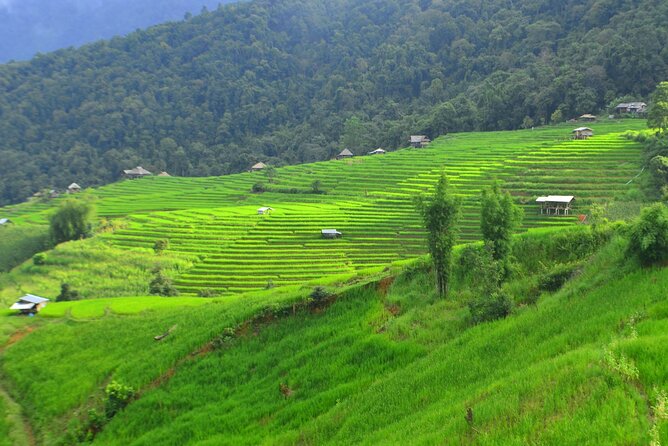
Pa Pong Piang is famous in Chiang Mai circles, but it still feels “off the main track” compared with the most heavily marketed viewpoints. The big advantage is time. You’re not just driving in, taking photos, and leaving. You spend the night in or near the village so the terraces are part of your morning and night too.
Another reason I think you’ll like this experience is the mix. Yes, it’s about rice terraces, but it’s also about the water and forest around Doi Inthanon. On one day you’re hiking Mae Pan Waterfall with a bit of jungle trail energy, then later you’re in the national park for the more formal sightseeing around the pagodas.
If you’re choosing between day tours, this one also has a practical edge: all fees and taxes are handled, and meals are included. You still decide what you want to buy during the market stop, but you’re not paying for the core pieces of the itinerary one by one.
Day 1: Ban Kat market, Karen coffee, Mae Pan hike, and the overnight in the terraces
The Day 1 flow starts with a quick orientation into local life. First up is Ban Kat, where you get about 20 minutes at an outdoor market. It’s a short window, but it’s useful for grabbing fruit, snacks, and drinks for later. The stop is free of admission fees, so it’s more about options and photos than a formal ticketed activity.
Next you’ll head to กาแฟสมศักดิ์ โถ่บิเบ, a local coffee stop tied to a Karen hill-tribe grower. The key detail here is that it’s organic and described as fully manual, from growing to roasting and processing. You can drink as much as you want during the visit, and if you want souvenirs, you can buy coffee beans or coffee powder.
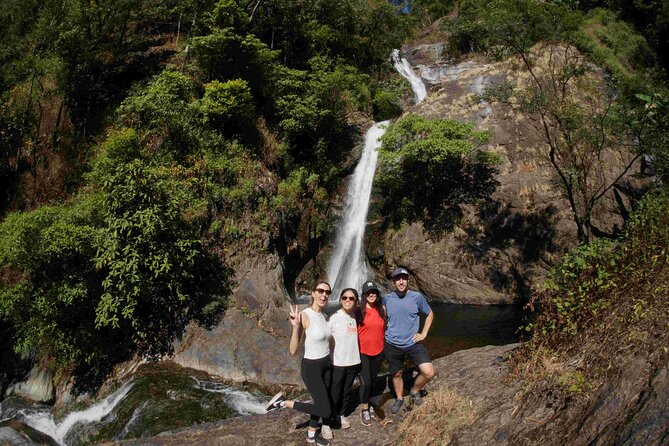
Then the pace turns into nature time at Mae Pan Waterfall in Doi Inthanon National Park. You hike about 20 minutes to reach the waterfall. It’s described as the highest waterfall in Chiang Mai, over 100 m. The return route is more than just walking back. You pass a second waterfall along the way, and then reach a third spot where you can refresh yourself above the water. The description emphasizes clean mountain water, and the feel of being at the higher elevation edge.
The final and most important Day 1 moment is overnight in the Pa Pong Piang village area, specifically Ban Rabiang Na Pa Bong Piang. This is where the trip stops being a checklist. You get time to be there in real life conditions, with the foggy air mentioned around the room in the morning.
One thing to know before you go: local accommodation options are limited. The operator confirms the room closer to the trip, and if there’s no room available, they may arrange tent sleeping instead. That doesn’t make it bad, but it does change what you should expect. Pack like someone who’s comfortable sleeping somewhere simple, and keep your expectations flexible.
Two days, enough time to leave the city
- Chiang Mai: 2-Day Jungle Trek with Elephant Farm & Raft Ride★ 4.7 · 881 reviews
- Chiang Mai 2-Day: Good Morning Elephant & Overnight Homestay★ 4.9 · 224 reviews
- Chiang Mai: 2-Days Jungle Trek, Waterfalls and Karen Village★ 4.8 · 103 reviews
- Chiang Mai 2-Day: Trekking, Tubing & Elephant Observation★ 4.9 · 95 reviews
Day 2: Foggy rice fields, Phra Mahathat pagoda rules, and Wachirathan’s big drop
Day 2 starts gently, with breakfast included where you stayed. Then you walk in the rice fields and learn about rice culture. It’s a short, practical introduction, about 30 minutes, but it fits the whole theme of the trip. This is how you connect what you see in photos with how people actually live around it.
After that, the itinerary shifts to the national park highlights at Doi Inthanon. You visit the area for Phra Mahathat Nabhapolbhumisiri, the royal stupa built to commemorate Queen Sirikit’s 60th birthday anniversary in 1992. The guide explanation also includes the royal naming meaning and the height of the site at 2565 m. If you like cultural context, this part gives you a reason for why the viewpoint matters, not just what it looks like.
There’s also a dress rule you should respect. The information notes that women must wear proper suits out of respect for the king and queen. That means you should plan modest clothing ahead of time so you are not scrambling for a workaround.
Then it’s waterfall time again, at Wachirathan Waterfall in the Mae Klang Doi Inthanon protection area. This is described as the most visited waterfall in Chiang Mai, with more than one million visitors per year. It’s also big, around 70 to 80 m high, and your time there is about 30 minutes. Because it’s popular, this is where you should expect more people and a more managed visitor feel than the earlier hike.
The last stop on Day 2 is lunch at Ban Kat. You order noodles and can choose your meat: pork, beef, or crocodile. The information also says this is the only shop that is delicious in the area, and it notes that every Thursday it closes, so the team finds another food option. Lunch time is about one hour, so it’s enough to reset without dragging out the day.
Rainy season timing matters more than you’d think
The tour recommendation is clear: the best time to visit Pa Pong Piang is June to October, the rainy season. The terraces look their best when the landscape is actively growing, and this timing also matches the idea of enjoying the view by relaxing, not racing around.
Rainy season can also change the feel of the trails. You might find paths wetter, and mornings can be foggy. Since the itinerary already mentions fog on Day 2, it’s a good reminder to bring clothing that handles damp air.
If you’re traveling from November to April, the guidance is to book a different option tour focused on two days in Doi Inthanon National Park. That’s not a small note, it’s a sign that the “rice terraces at their best” mood may not line up with what you want during those months.
Add a day trip while you're up north:
- Half-Day Thai Cooking Class at Organic Farm in Chiang Mai
★ 5.0 · 19,087 reviews - Chiang Mai: Elephant Sanctuary, Waterfall & Bamboo Rafting
★ 4.9 · 9,160 reviews - Chiang Mai: Doi Inthanon National Park Eco-Friendly Tour
★ 4.6 · 6,667 reviews
Price and value: what $163.30 buys you in real-life terms
At $163.30 per person for a two-day experience, the price only feels fair when you understand what’s included. Here, you’re covered for breakfast and dinner, plus two lunches. All fees and taxes are included, which can be a big deal on multi-stop outings in national parks and rural areas.
You also get transportation support through a pickup offering and a coordinated itinerary that includes both Pa Pong Piang area time and Doi Inthanon National Park. Since Ban Rabiang Na Pa Bong Piang is about 121 km from Chiang Mai city, with roughly 2.5 hours driving time, paying for a structured transfer plus on-the-ground guidance is part of the value. There’s also a practical advantage: there is no public transportation to the village mentioned, so this is the kind of trip that stays hard without an organized plan.
What’s not included is also straightforward. Beers and soft drinks are not included. That means you should budget a little extra if you plan to buy drinks during market time or at stops.
One more value detail: the group size is capped at 50. That’s not “small enough to be private,” but it’s large enough that you get the logistics of a group tour without feeling like you’re in an oversold bus cattle call.
Logistics you’ll want to plan for
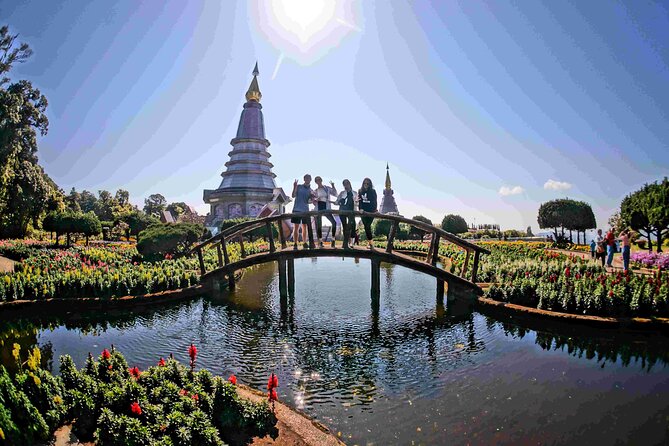
This tour runs for about two days, and confirmation happens at the time of booking. You’ll also receive a mobile ticket, which is simple, and pickup is offered.
You should consider booking ahead. The average booking window is about 19 days, which suggests demand builds as the rainy-season viewing window approaches. If you’re set on dates, I’d rather you not wait until the last moment.
For packing, the itinerary is light on formal gear lists, but it includes waterfall hikes and short jungle-style walking. Plan for comfortable shoes with grip. Also bring a light layer for cooler, foggy mornings, since fog is mentioned around the overnight area.
If you care about temple rules, remember the national park stupa visit includes a dress expectation for women. For everyone, modest clothing makes the whole day easier.
Who this two-day rice terrace experience is best for
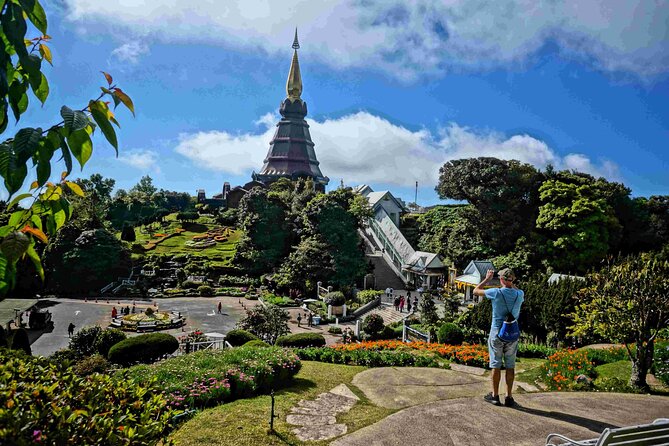
This trip fits you best if you want the quieter, lived-in side of Chiang Mai. I think it’s a strong choice for couples and families who like nature walks, short hikes, and photo time without rushing.
It’s also a good fit if you appreciate cultural details, because the itinerary includes the royal stupa explanation at Doi Inthanon and the rice culture walk the morning after your overnight. You’re not just staring at scenery, you’re learning how people talk about and live around it.
The one group for whom you should think twice is anyone who wants a super comfortable, city-style accommodation setup. The limited guesthouse situation, with a possible tent backup, means the experience is more rustic than hotel-based.
Also, if you’re going outside June to October, the guidance points you toward a different Doi Inthanon focused option. That tells me the terraces are not the same “main attraction” year-round in terms of the viewing mood.
Should you book Pa Pong Piang with Tee Watertown?
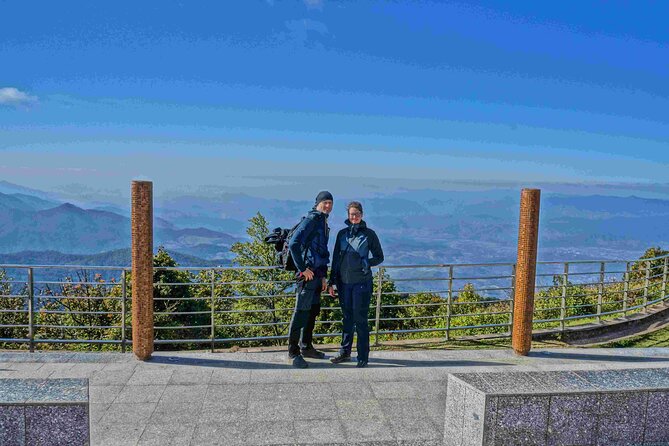
Yes, if your priority is rice terraces plus waterfalls and you’re okay with rural overnight conditions. The combination of a Karen hill-tribe coffee stop, the Mae Pan Waterfall hike sequence, and the next day’s national park sights gives you variety without turning the trip into a marathon.
I’d skip this option if you’re traveling from November to April and your main goal is the terraces at their best, since the tour guidance nudges you to choose a Doi Inthanon two-day alternative instead. I’d also reconsider if you strongly need guaranteed guesthouse sleeping, because accommodation is limited and tent sleeping can happen when rooms are not available.
If you like having a guide who helps you navigate areas that can be tricky for non-Thai speakers, this tour has that built in. The guide name Tee is associated with making the experience work smoothly, even with a young child in the group, and you should expect a similar supportive approach.
FAQ
What is the duration of the Two Days Pa Pong Piang tour?
It runs for two days, approximately.
Is pickup included?
Yes, pickup is offered.
What meals are included in the price?
Breakfast and dinner are included, and lunch is included (listed as two lunches). All fees and taxes are also included.
Are drinks included?
Beers and soft drinks are not included.
What is the best time to visit Pa Pong Piang?
The best time is June to October, the rainy season.
What is the cancellation policy?
You can cancel for a full refund up to 24 hours in advance of the experience start time. If you cancel less than 24 hours before, the amount paid is not refunded.
Fresh listings for Chiang Mai
- Skydive Chiang Mai★ 5.0 · 1 review
- One day hiking tour in Chaing Mai★ 5.0 · 1 review
- One Day Non Tourist Trek 100% Guarantee★ 5.0 · 1 review
- Chiang Mai to Chiang Rai (Private 3 day Tour)★ 5.0 · 1 review
- San Kamphaeng Hot Springs and Thai Handicraft Tour from Chiang Mai★ 5.0 · 1 review
- Half day Doi Suthep Temple & Mae Ping River cruise (Private)★ 5.0 · 1 review
2-Day Experiences, compared.
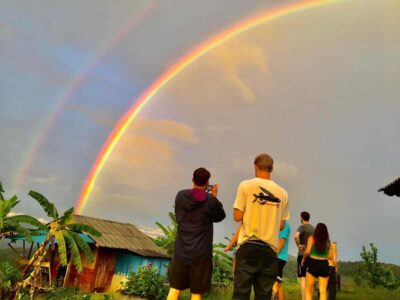
2-Day Jungle Trek with Elephant Farm & Raft Ride
Read our review →
Chiang Mai 2-Day: Good Morning Elephant & Overnight Homestay
Read our review →
2-Days Jungle Trek, Waterfalls and Karen Village
Read our review →
Chiang Mai 2-Day: Trekking, Tubing & Elephant Observation
Read our review →

Private Tour: 2-Day Authentic Hill Tribe Villages and Karen Hill Tribe Homestay
Read our review →
Chiang Mai 4 in 1 : 2 days – 1 Nights. Elephants Camp + Adventure
Read our review →
2-Day Best of Chiang Rai from Chiang Mai Private Package
Read our review →Browse the lists this tour appears in