

Reviewed · NORTHERN THAI COOKING CLASSES
Chiang Mai: Traditional Thai-Akha Cooking Class& Market Tour
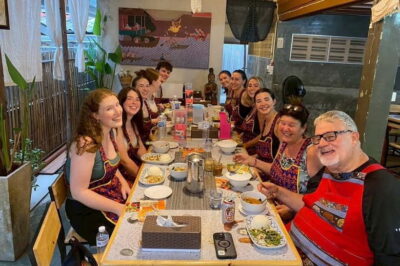
Akha food in Chiang Mai feels like a secret lesson. You start with a local market tour then cook a long list of Thai-Akha dishes at Thai Akha Kitchen. Two things I especially like: you get hands-on cooking with real ingredients, and the teachers bring the flavor story to life, including spice tips they can adjust to your taste (one instructor, An, stood out for her friendly, fun energy).
You also get a clear, structured meal plan, not some random menu shuffle. From papaya salad and fried spring rolls to Akha favorites like Sapi Thong tomato dipping sauce, you taste your way through Northern Thailand and the hill-tribe influence. One practical consideration: if you have allergies, you must tell the team in advance, because the class uses multiple fresh ingredients and lots of components across many dishes.
In This Review
- Key Highlights You’ll Notice Right Away
- Cooking With Akha Roots in Chiang Mai, Not Just Another Thai Class
- Hotel Pickup + Market Tour: The Fastest Way to Learn What Matters
- Thai Akha Kitchen: Where Your Hands Do the Learning
- The Menu Breakdown: What You’ll Cook and Why It Tastes Like It Does
- Appetizers: Salty, Crunchy, and Sour-Green
- Desserts: Mango Sticky Rice and Pumpkin in Coconut Milk
- Akha Dishes: The Signature Difference
- Curry and Paste: Choose Your Chicken Curry Style
- Thai Soup: Hot and Sour or Soft and Mild
- Stir-Fried Dish or Pad Thai: The Finish With Heat and Herbs
- Spice Control and Teaching Style: The Part That Makes It Fun
- Ingredients, Freshness, and Sustainability: What You Actually Learn
- Taking Home the Recipes: How to Use the Cookbook Later
- Price and Value for a Half-Day Food Plan
- Who This Cooking + Market Tour Suits Best
- Should You Book This Chiang Mai Akha Cooking Class and Market Tour?
- FAQ
- Where does the tour take place?
- How long is the experience?
- What is included in the price?
- What languages are used during the class?
- What if I have a food allergy?
- What dishes are on the menu?
- Is hotel pickup included?
- Is free cancellation available?
- Is there a reserve now and pay later option?
Key Highlights You’ll Notice Right Away
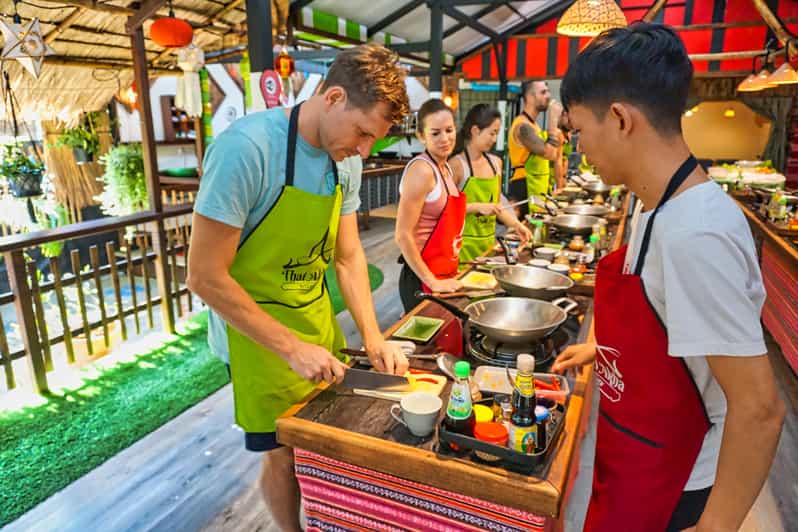
- Market-first flavor clues: you shop what you cook, so the food tastes more like the place you’re in
- Thai-Akha fusion, not fusion hype: Akha dishes like Akha salad and Akha soup sit next to classic Thai curry choices
- A full meal with variety: appetizers, desserts, curry, soup, and a stir-fry or Pad Thai option
- English or Thai instruction: the teacher communicates in the language you need
- Hotel pickup makes it easy: you spend less time figuring out transport in Chiang Mai
Cooking With Akha Roots in Chiang Mai, Not Just Another Thai Class
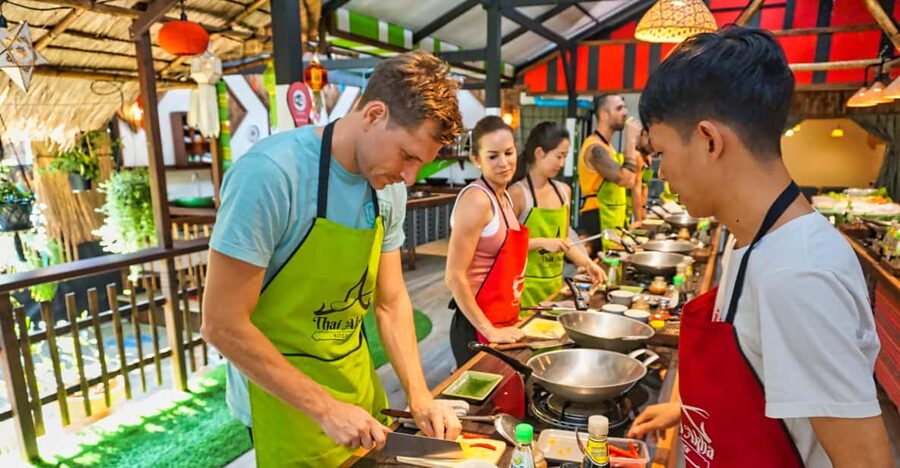
Northern Thailand food has a different rhythm than central Thai cuisine, and this class leans into that. You’re cooking Thai-Akha fusion, where Akha traditions meet familiar Thai techniques like curry pastes, stir-fries, and herb-forward salads. It’s not just about copying recipes. It’s about learning how fresh ingredients and simple balancing steps create flavor.
I like that the menu has both comfort-food anchors and Akha specialties. You’ll cover appetizers like papaya salad and fried spring rolls, then move into desserts such as mango with sticky rice and pumpkin in coconut milk. That mix matters because it makes the class feel like a real meal you could serve friends back home, not a cooking demo where you taste a bite and leave.
The other reason this works well is the teacher-led approach. In the classes I’m referencing, instructors like An, and others such as Xuan and Evelyn, come across as genuinely warm and helpful, not stiff or scripted. That kind of guidance helps if you’re busy chopping, stirring, and tasting all at once.
Hotel Pickup + Market Tour: The Fastest Way to Learn What Matters
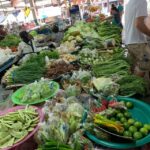
A lot of cooking classes skip the why and jump straight to the pan. Here, you start with a local market tour, and that changes everything. When you see ingredients up close, you start to notice what makes a dish taste right, like the smell of herbs, the look of fresh produce, and how spices are sold and used.
For you, the practical benefit is big: you’ll carry the ingredient logic into the kitchen. When your class later calls for things like lime juice, ground peanuts, or fresh herbs, you won’t treat them as random checklist items. You’ll understand what freshness looks like in real life.
Also, sampling local items during the market portion makes it easier to connect flavors. A market tour is where you learn what to buy later, too. Even if you never cook Akha food at home, you’ll get better at choosing produce and herbs in Chiang Mai.
Villages in the hills, still practicing old crafts
- Chiang Mai: Chiang Rai Temples, Karen Tribe and Hot Springs★ 4.7 · 5,401 reviews
- Thai and Akha Cooking Class in Chiang Mai★ 5.0 · 4,358 reviews
- Chiang Mai: Elephant Sanctuary, Long Neck & Sticky Waterfall★ 4.9 · 2,262 reviews
- 4-Hour Doi Suthep & Hmong Hill Tribe Village from Chiang Mai★ 4.7 · 696 reviews
Thai Akha Kitchen: Where Your Hands Do the Learning
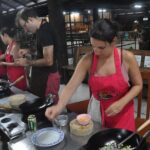
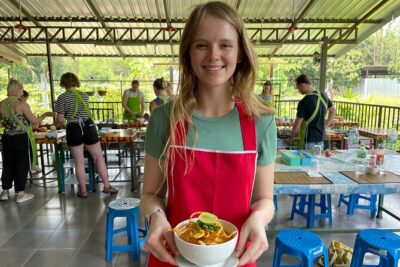
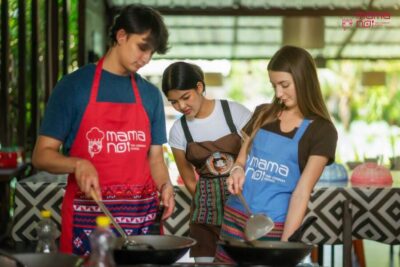
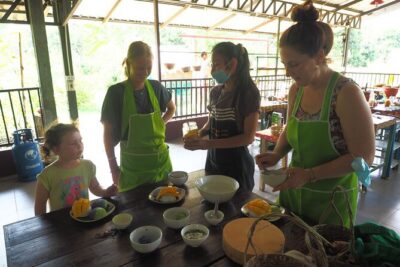
The cooking happens at Thai Akha Kitchen, and the format is designed for active participation. You’re not just watching. You’re cooking step-by-step with organic ingredients provided as part of the class. That means you can focus on technique and flavor balancing without hunting for specialty items.
The class also includes take-home materials: you receive a recipe and a cook book. That matters if you want to recreate dishes later, especially the Akha parts like Sapi Thong and Akha soup, which you might not find in every Thai cookbook.
One small detail that can make a difference: multiple dishes are prepared during the session, so you’ll want to come hungry and ready to stay engaged. The best results come when you listen, taste as you go, and ask questions early, not after the curry pot is already simmering.
The Menu Breakdown: What You’ll Cook and Why It Tastes Like It Does
This class is built like a full Northern Thai meal with Akha influence. Here’s what you should expect to cook during the session, based on the menu choices and fixed dishes.
Market run first, then into the kitchen
- Half-Day Thai Cooking Class at Organic Farm in Chiang Mai
★ 5.0 · 19,087 reviews - Chiang Mai: Cooking Class, Market & Thai Herbs Garden Tour
★ 4.9 · 4,824 reviews - Chiang Mai: Authentic Cooking Class with Market & Farm Visit
★ 4.9 · 4,546 reviews
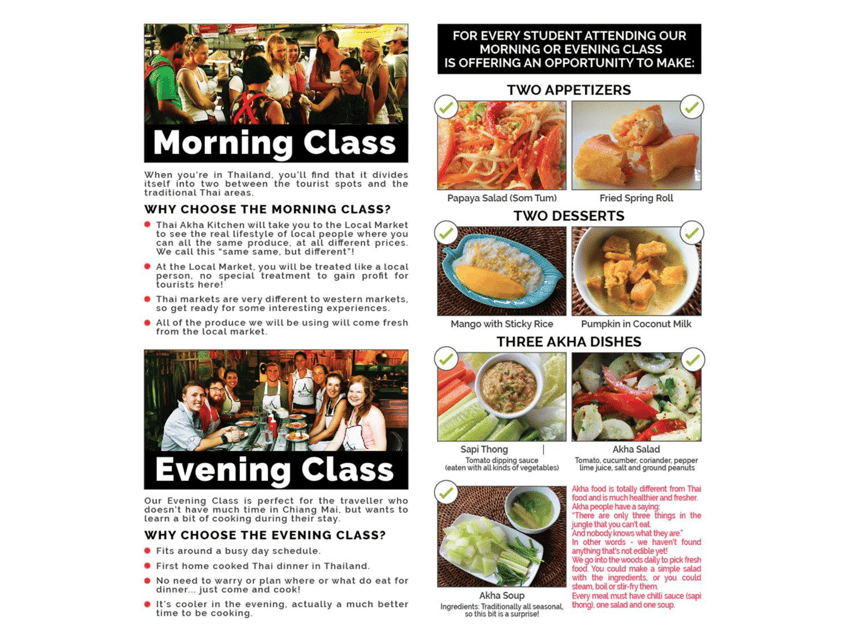
Appetizers: Salty, Crunchy, and Sour-Green
You’ll start with two appetizers:
- Papaya salad: It teaches you the sour-salty-sweet balancing act Thai food is famous for. Plus, you’ll work with lime juice and texture, not just heat.
- Fried spring roll: This is where you learn about filling consistency and frying results, so the roll stays crisp when served.
These two dishes are useful because they train different skills. Salad pushes flavor balancing. Spring rolls push texture and timing.
Desserts: Mango Sticky Rice and Pumpkin in Coconut Milk
Then you shift gears into dessert with two options:
- Mango with sticky rice
- Pumpkin in coconut milk
I like that the desserts aren’t an afterthought. They give you a palate reset. You’ll also learn how coconut sweetness and spice can play together, which connects back to the curry and soup later in the meal.
Akha Dishes: The Signature Difference
This is the part that makes the experience worth booking if you’re already a fan of Thai food. The Akha dishes on the menu are:
- Sapi Thong (Tomato Dipping Sauce)
- Akha Salad (tomato, cucumber, coriander, pepper, lime juice, salt, and ground peanuts)
- Akha Soup
If you’ve only tried Thai salads, the Akha salad may surprise you in a good way. The peanut element and the specific herb profile change the texture and aroma. It’s also a great learning dish because you can see the effect of each ingredient as you assemble it.
Sapi Thong is especially interesting if you like sauces. Tomato dipping sauce can sound simple, but the flavor usually depends on how it’s mixed and adjusted. Akha soup, meanwhile, gives you a warmer side of the menu so it isn’t all crunch and herbs.
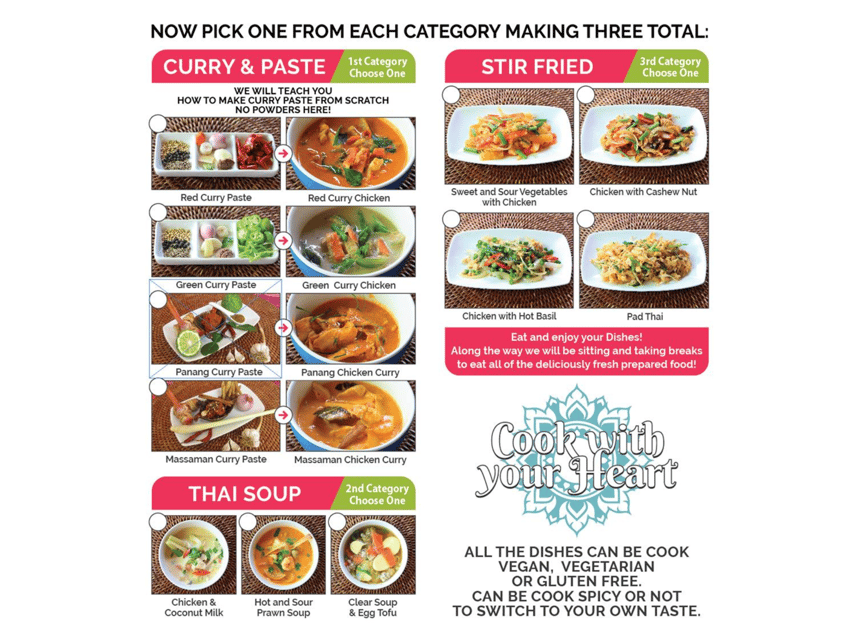
Curry and Paste: Choose Your Chicken Curry Style
You’ll choose one from four:
- Red Curry Chicken
- Green Curry Chicken
- Panang Chicken Curry
- Massaman Chicken Curry
Even if you pick a curry you already know, you’ll still learn something from the class. You’ll likely pay attention to the curry paste approach and how chicken is handled so the sauce sticks and develops flavor rather than turning watery.
Thai Soup: Hot and Sour or Soft and Mild
You’ll also choose one from three:
- Chicken and Coconut Milk
- Hot and Sour Prawn Soup
- Clear Soup with Egg Tofu
This choice matters for your meal balance. Hot and sour pushes brightness and heat. Coconut milk soups feel rounder and smoother. Clear soup with egg tofu is a calmer ending before your final stir-fry dish.
Stir-Fried Dish or Pad Thai: The Finish With Heat and Herbs
Finally, you choose one from four stir-fry options:
- Sweet and Sour Vegetables and Chicken
- Chicken with Hot Basil
- Chicken with Cashew Nut
- Pad Thai
This is where you can steer your learning toward your favorite Thai flavors. If you want basil and aromatic heat, pick hot basil. If you prefer crunch, choose cashew nut. If you want something widely recognized, Pad Thai works well as a comparison point.
Spice Control and Teaching Style: The Part That Makes It Fun
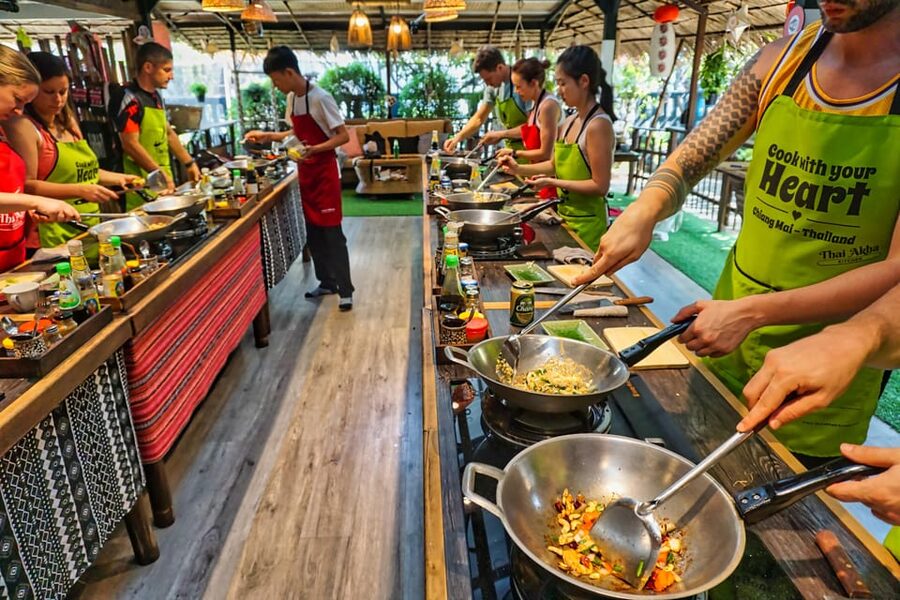
A cooking class can fall into two modes: rigid perfectionism or relaxed learning. The way this one is described in real use feels more like relaxed learning. People mention that the instructors follow your preferences, especially around spice level. If you’re sensitive to heat, you can ask for adjustments early.
That’s not a small point. Thai food is built on layers. If you can’t taste the lime, herbs, sweetness, or coconut notes because the heat overwhelms everything, you miss the whole lesson. A good teacher helps you keep the balance, not just reduce chili.
In the classrooms associated with this experience, instructors named An, Xuan, and Evelyn show up as high-energy helpers. That energy helps because you’re juggling multiple steps across appetizers, Akha dishes, curry, soup, and a final stir-fry or Pad Thai option.
Ingredients, Freshness, and Sustainability: What You Actually Learn
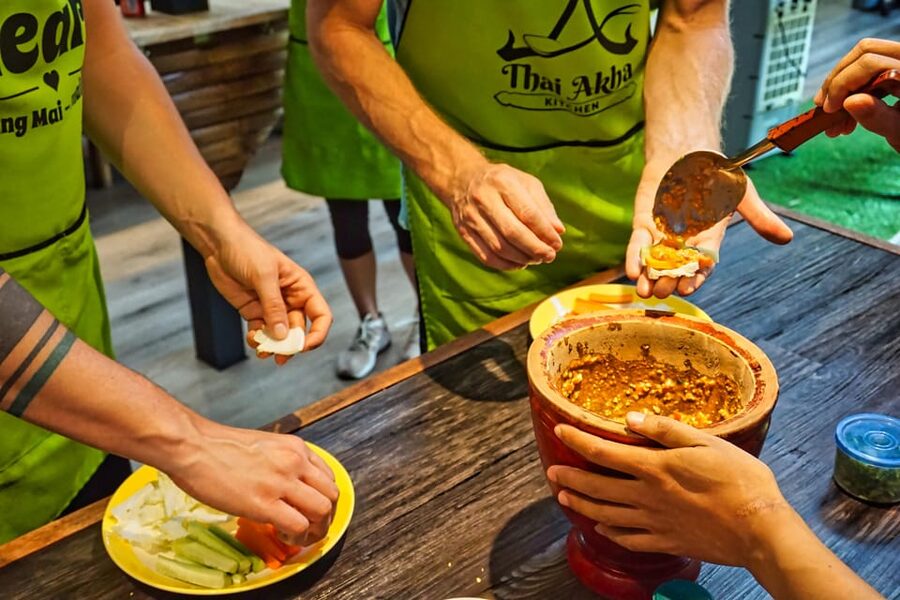
The Akha angle here is about freshness and health. You see it in the menu choices: sour-salty salads, herb use, vegetable balance, and lighter soup styles mixed in with curry depth.
You also learn ingredient thinking from the market portion. When the class later calls for specific components like lime juice, peanuts, coriander, or cucumber, you’ll know what good quality looks like. That’s practical knowledge. It helps even if you never replicate the full Akha meal at home.
One more benefit: organic ingredients are included. That reduces one big headache. You’re cooking, not spending the first hour asking where to find the right chilies or herbs.
Taking Home the Recipes: How to Use the Cookbook Later
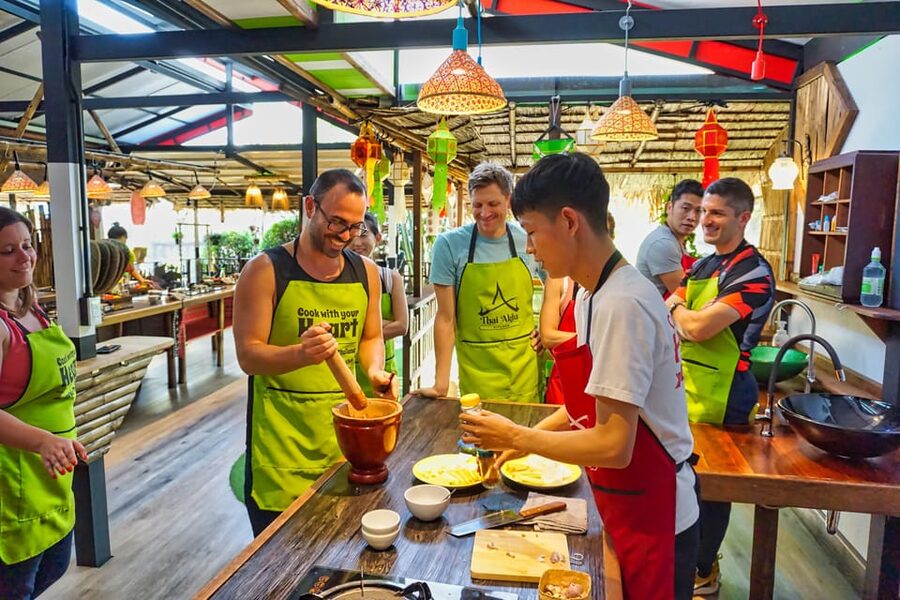
You don’t want a cooking class that ends with a food coma and no follow-through. Here, you receive a recipe and a cook book, which is exactly what you need if you want to rebuild dishes later.
In one experience format, a participant also noted receiving spices as part of what they were given. That’s useful because it turns your takeaway into something you can cook, not just read.
If you want the best results at home, do this:
- Choose one dish you cooked that matched your favorite flavors
- Cook it again within a week while your taste memory is fresh
- Use the cookbook as a guide for order of steps, not just ingredient lists
Cooking works better when you treat it like muscle memory, not a one-time event.
Price and Value for a Half-Day Food Plan
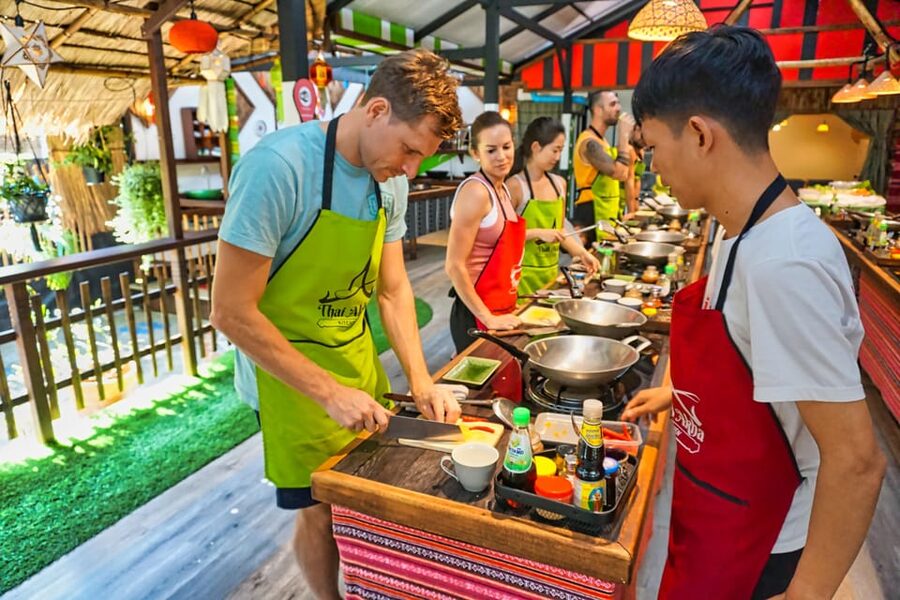
At $41 per person for 5 to 6 hours, this is priced like a serious food experience, not a quick tasting walk. You’re paying for a market tour plus a cooking session, plus organic ingredients, plus take-home recipe and cook book, plus hotel pickup.
Here’s the value logic I’d use if you’re weighing this against other Chiang Mai activities:
- You get multiple dish categories in one go, so the session feels like a full meal
- You get instruction in English or Thai, which reduces confusion and boosts learning
- You get pickup, which saves time and transportation stress
If you like food enough to plan your trip around it, this price can feel fair. If you mostly want sightseeing photos and snacks, you might find it feels like work, since it is a cooking class with active participation.
Who This Cooking + Market Tour Suits Best

This is a strong fit for you if:
- You want Northern Thai flavors plus an Akha twist
- You enjoy hands-on cooking and want a structured menu
- You like learning spice and flavor balancing, not just following steps
- You’d rather have one high-value food block than scatter a dozen small meals
It may not be the best fit if:
- You hate kitchens and prefer only tasting
- You have very complex dietary needs and haven’t planned to contact the team ahead of time
If you do have allergies, communicate them in advance. The experience specifically asks you to do that.
Should You Book This Chiang Mai Akha Cooking Class and Market Tour?
I’d book this if you want a day that feels like you’re learning how Chiang Mai tastes, not just eating in it. The mix of market time, Akha dishes like Sapi Thong and Akha salad, and familiar Thai choices like curry and Pad Thai gives you both novelty and comfort.
Book it now if you match any of these:
- You like cooking classes that actually teach flavor steps
- You want hotel pickup to reduce friction
- You want take-home recipes and a cook book so the experience lasts
Skip it or ask more questions if:
- You’re worried about spice and haven’t figured out how you’ll communicate your preferences
- You have allergies and can’t or don’t want to inform the team ahead of time
FAQ
Where does the tour take place?
It runs in Chiang Mai Province, with pickup from your Chiang Mai hotel and activities tied to the cooking venue and local market tour.
How long is the experience?
The duration is 5 to 6 hours.
What is included in the price?
The price includes the cooking session, the local market tour session, recipe and cook book, organic ingredients, and hotel pickup service from Chiang Mai hotels.
What languages are used during the class?
The instructor communicates in English and Thai.
What if I have a food allergy?
You should inform the team in advance about any food allergies via email or WhatsApp.
What dishes are on the menu?
You can expect appetizers like papaya salad and fried spring roll, desserts like mango with sticky rice and pumpkin in coconut milk, Akha dishes such as Sapi Thong tomato dipping sauce, Akha salad, and Akha soup, plus choices for curry and paste, Thai soup, and a stir-fried dish or Pad Thai.
Is hotel pickup included?
Yes, pickup from Chiang Mai hotels is included.
Is free cancellation available?
Yes, you can cancel up to 24 hours in advance for a full refund.
Is there a reserve now and pay later option?
Yes, reserve now and pay later is offered so you can keep plans flexible and pay nothing today.
More Markets in Chiang Mai


More Shopping Tours in Chiang Mai
Fresh listings for Chiang Mai
- Skydive Chiang Mai★ 5.0 · 1 review
- One day hiking tour in Chaing Mai★ 5.0 · 1 review
- One Day Non Tourist Trek 100% Guarantee★ 5.0 · 1 review
- Chiang Mai to Chiang Rai (Private 3 day Tour)★ 5.0 · 1 review
- San Kamphaeng Hot Springs and Thai Handicraft Tour from Chiang Mai★ 5.0 · 1 review
- Half day Doi Suthep Temple & Mae Ping River cruise (Private)★ 5.0 · 1 review
Northern Thai Cooking Classes, compared.
Half-Day Thai Cooking Class at Organic Farm in Chiang Mai
Read our review →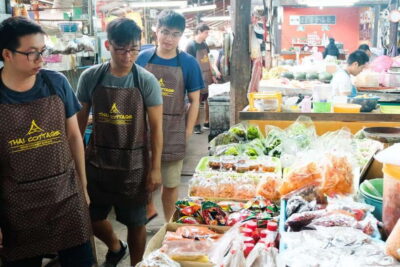
Cooking Class, Market & Thai Herbs Garden Tour
Read our review →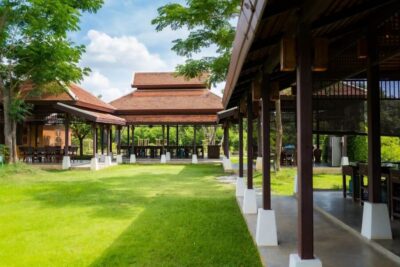
Authentic Cooking Class with Market & Farm Visit
Read our review →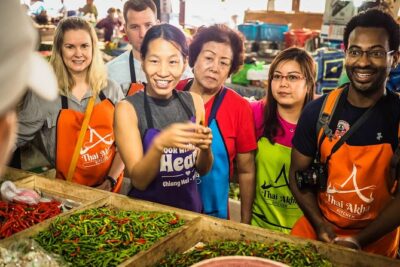
Full Day Thai Cooking at Farm (Chiang Mai)
Read our review →
Browse the lists this tour appears in